Employee Monitoring: How Data Without Context Erodes Trust in the Team
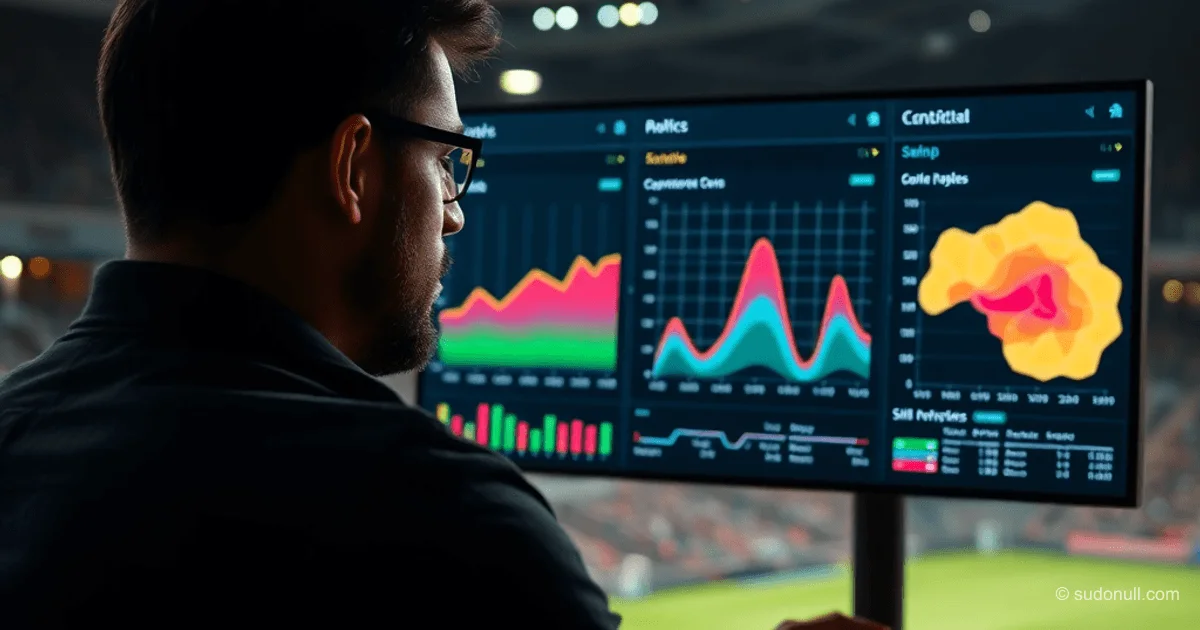
Systems for tracking employees' digital activity are rapidly entering IT companies. However, implementing monitoring without a management model turns analytics into a source of chaos. Data on work time and behavior in corporate systems doesn't explain the reasons for declining efficiency; it amplifies distrust. We break down why metrics without interpretation are more harmful than no data at all.
Why Telemetry Doesn't Replace Management Decisions
Technical systems collect objective metrics: activity time, task switching frequency, digital footprint in Jira and Slack, schedule compliance. But these metrics only answer "what's happening," leaving "why" unanswered. When managers start interpreting raw data as a diagnosis, critical errors arise.
Example: A drop in ticket completion speed might indicate:
- Developer burnout;
- Team conflict;
- Mismatch between role and current competencies;
- Lack of support as task complexity increases.
Without context, the system labels the employee as "problematic," while the cause might lie in poorly thought-out task architecture or lack of mentoring. Especially dangerous is equating concepts: activity in corporate chat ≠ project contribution, and long breaks ≠ reduced productivity. For senior developers, deep work often requires "quiet" periods without digital traces.
How Monitoring Provokes Disorientation in Teams
When the IT department implements surveillance tools without a transparent strategy, employees automatically assume the worst: "managers don't trust us." Key communication failures:
- No clear explanation of which metrics affect KPIs and performance evaluations
- No boundaries on acceptable data usage (e.g., analyzing personal messages in Slack)
- Not specified how data will be used for development, not just sanctions
- No appeal mechanisms for false positives
Predictable result: Engineers start "gaming the metrics." They artificially boost chat activity, break tasks into tiny tickets to increase closure speed, hide complex issues—to avoid "red zones" on dashboards. Instead of process improvements, the company gets a distorted picture of reality.
Why HR Should Be a Co-Author of the Monitoring System
Implementing analytics tools as an exclusively IT or security task is a fatal mistake. An HR specialist at the design stage prevents three critical issues:
- Filtering noisy metrics: For example, window switching frequency is meaningless for DevOps engineers working with multiple terminals. HR determines which metrics correlate with real efficiency in specific roles.
- Protection from false interpretations: Reduced activity in corporate messenger might mean not procrastination, but switching to deep work. HR establishes interpretation rules considering task types and roles.
- Balance of control and development: The system should generate not only deviation alerts, but also recommendations for workload adaptation, training, or role changes. Without HR, monitoring becomes a digital whip.
Key principle: Technical ability to measure ≠ business necessity to measure. HR helps select 3-5 critical metrics, not dozens of "interesting" ones.
How to Turn Monitoring into a Development Tool
An effective system is built on two layers:
First layer — telemetry
- Capturing operational data (activity, traffic, tickets)
- Automatic anomaly detection (e.g., sharp drop in commits)
Second layer — diagnostics
- Matching metrics to employee profile (thinking type, strong competencies, adaptation stage)
- Analyzing development dynamics (hard skills strengthening, burnout risk)
- Contextualizing under current tasks and project stage
Example: If a backend engineer chats less but increases test coverage—this is positive transformation, not a problem. The diagnostic layer accounts for the role requiring less communication after switching to microservices architecture.
Conditions Under Which Monitoring Works
The system benefits only when four conditions are met:
- Metrics tied to business goals, not reporting convenience. For example, code compilation time matters more than IDE activity.
- Data interpretation linked to the role. For QA, "number of bugs found" metric is meaningless without testing complexity.
- Employees see personal benefits. Dashboards show not just "downtime," but workflow optimization recommendations.
- Feedback mechanism exists. Every system alert comes with an offer to discuss context in one-on-one.
Without these, monitoring amplifies bureaucracy, increasing developers' cognitive load. Instead of focusing on code, they optimize for metrics.
Key Takeaways
- Data ≠ understanding: Metric drops can stem from systemic issues (poor documentation, conflicts), not personal fault.
- HR is not optional: Without HR from the design stage, the monitoring system generates false alarms.
- Context is everything: For senior developers, "quiet" periods without digital traces often mean deep work on complex tasks.
- Diagnostics over surveillance: The system should identify not just deviations, but development opportunities.
Employee monitoring is effective only as part of a mature management model. When data is interpreted through the human factor lens, it becomes a growth tool, not control. Key question: Is the company ready to invest in understanding causes, not just collecting symptoms?
— Editorial Team








No comments yet.