February 27, 2019 at 14:41
Hard working reality - Xichang Satellite Launch Center - XSLC
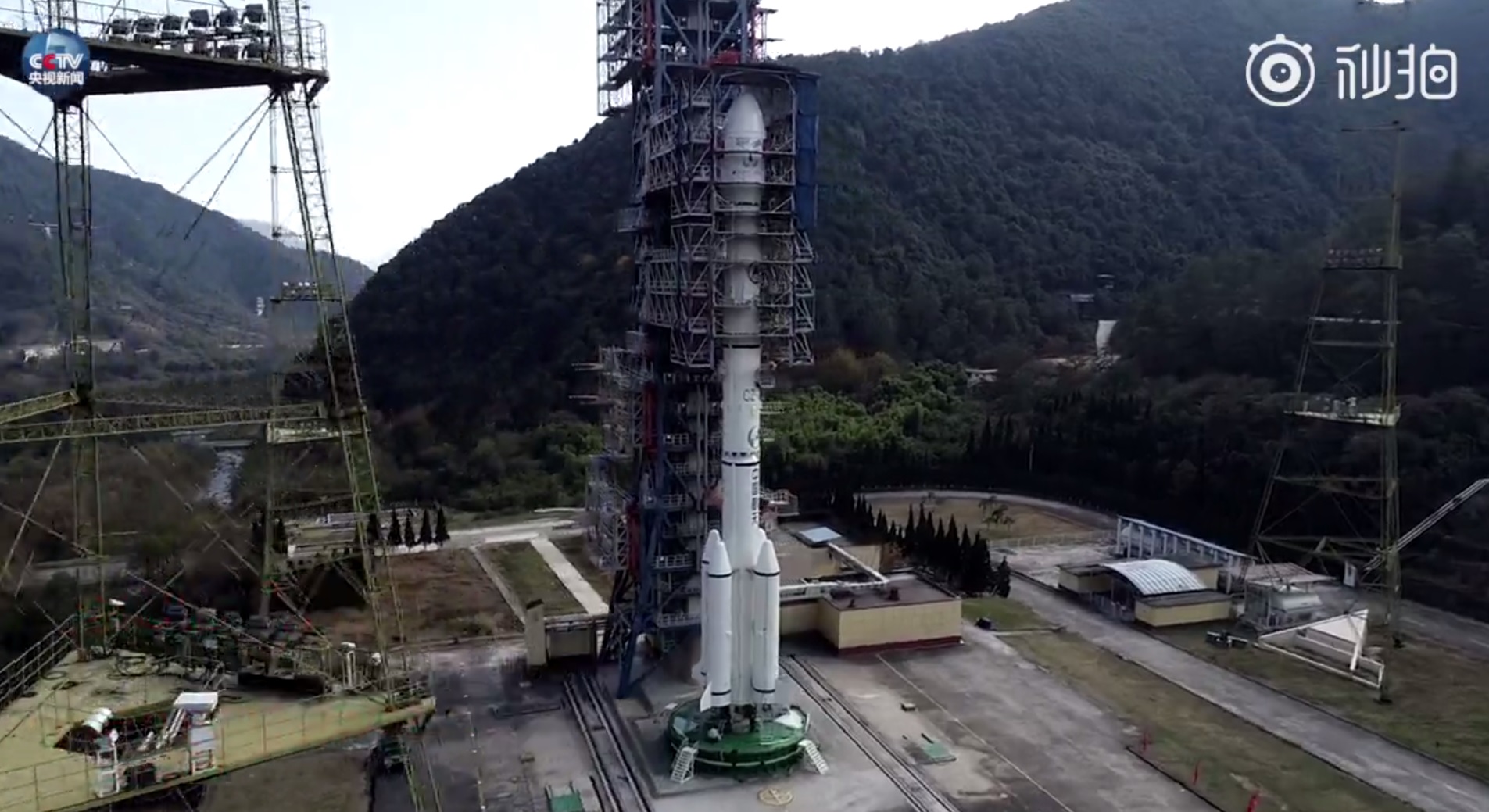
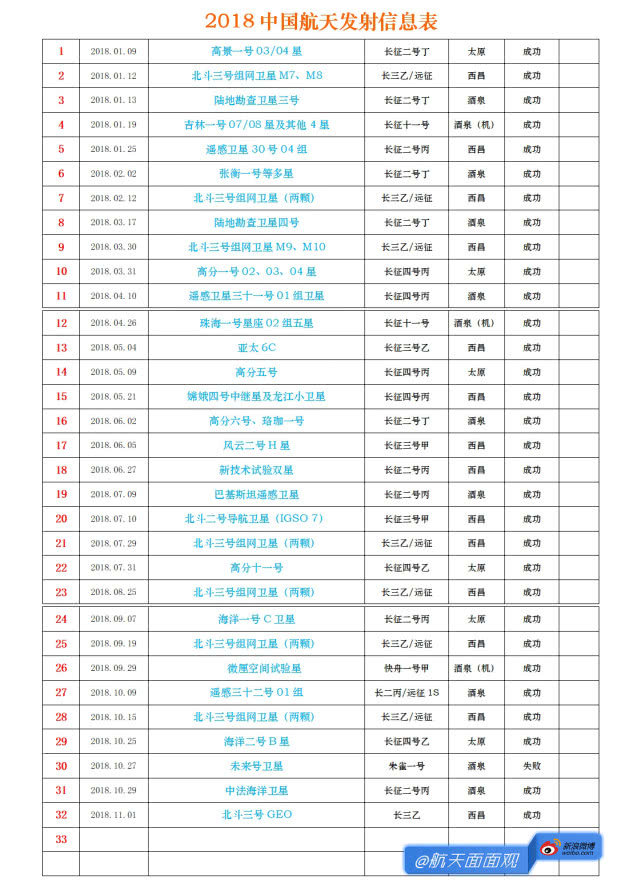
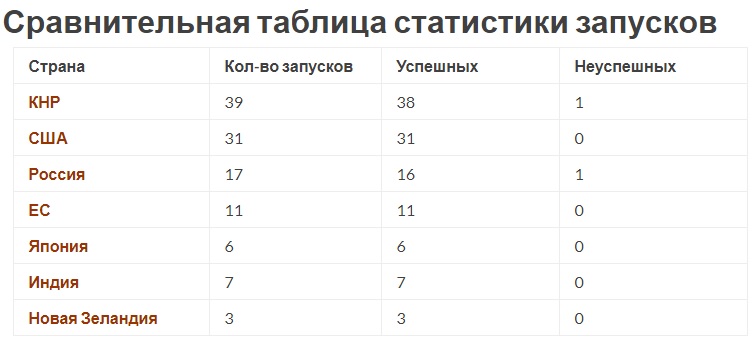
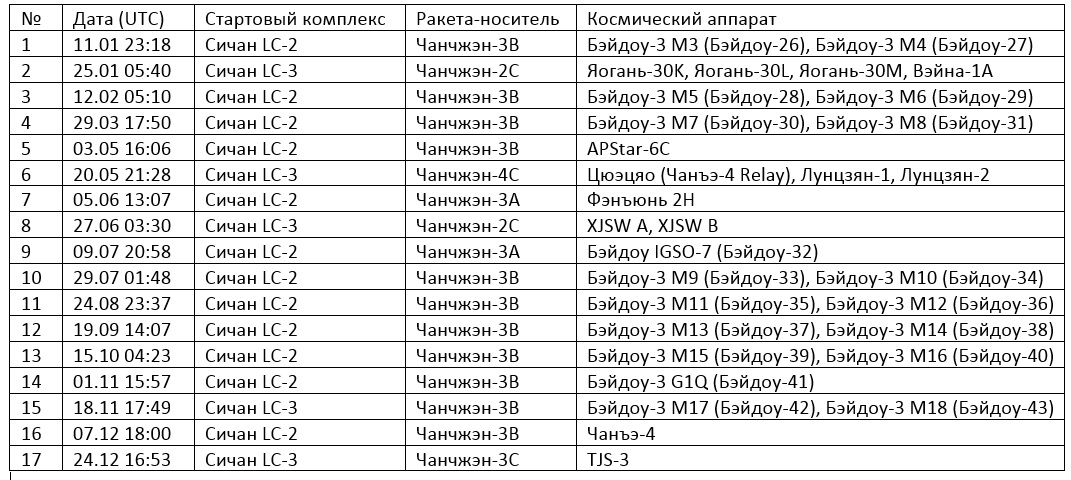
For China, 2018 was a record year for the number of space launches - 39, of which 38 were successful, the orbit carrier rocket of the Changzhen series (Long March) was launched 36 times, and 17 launches were made at the Xichang cosmodrome per year.
The Spartan atmosphere, maximum return to the common cause, high labor efficiency and competent organization of the work process, continuous work on preparing launches all year round, the minimum number of failures and accidents are all about hard work at the Sichan Cosmodrome.
Lots of photos inside.
The Xichang Satellite Launch Center (XSLC) was launched in 1984, and in November 2016, it launched the 100th launch of the launch vehicle.
The cosmodrome is located in Sichuan province, in the mountains at the foot of the Dalianshan Range (coordinates 28 ° 14'44.7 "N 102 ° 01'34.8" E), 65 kilometers from the city of Sichan (population 620,000 people), where its main headquarters is located.
Link to the location of the spaceport in Yandex-maps
Link to the location of the spaceport in Google-maps
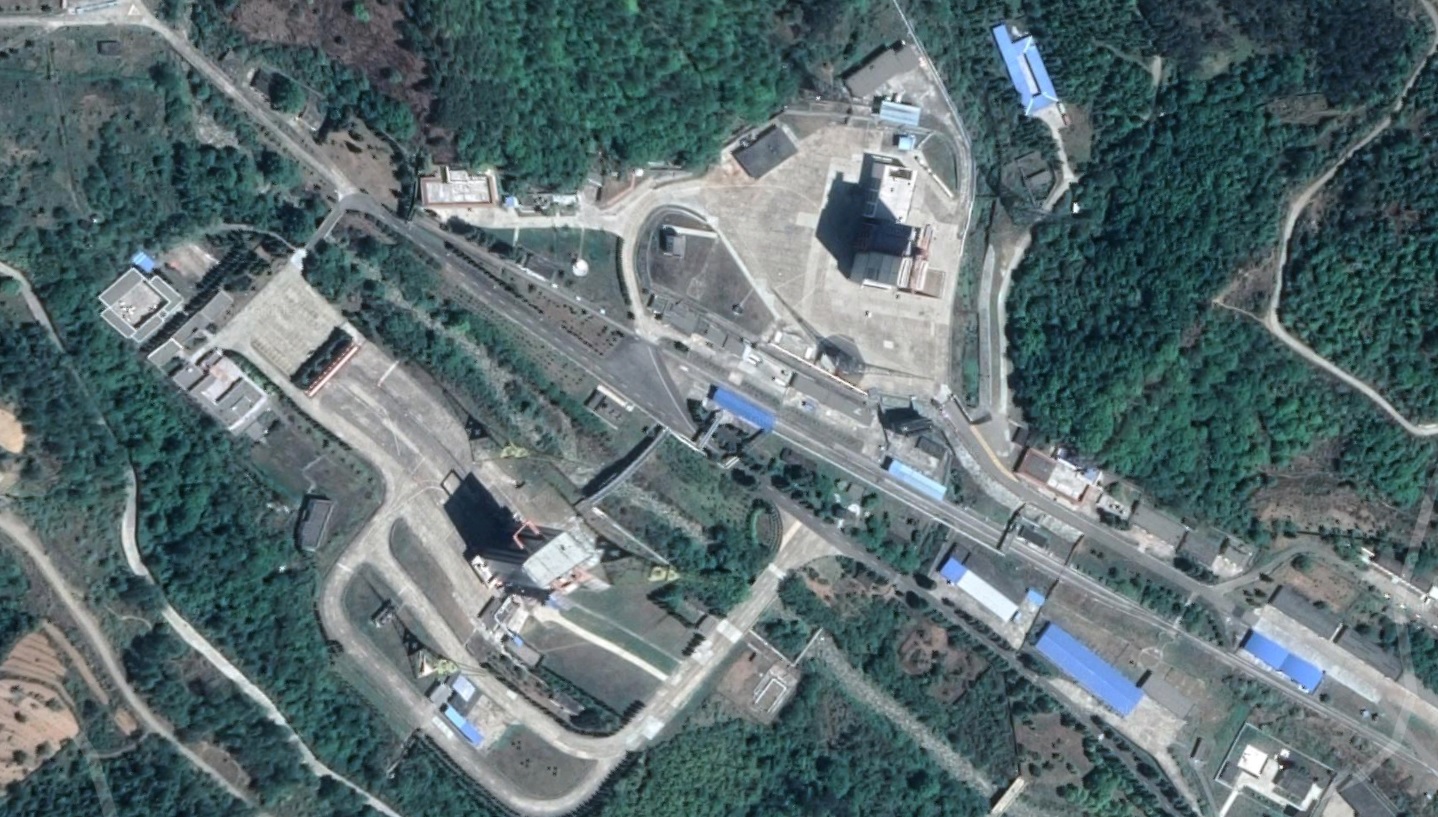
A railway line has been brought to the cosmodrome, as well as a reinforced concrete two-lane highway from the city of Sichan, nearby is the airport (15 km from Sichan and 50 km from the cosmodrome), to which payload and equipment are delivered from Beijing and other cities. The distance from Beijing to Xichang is in a straight line 1900 kilometers.
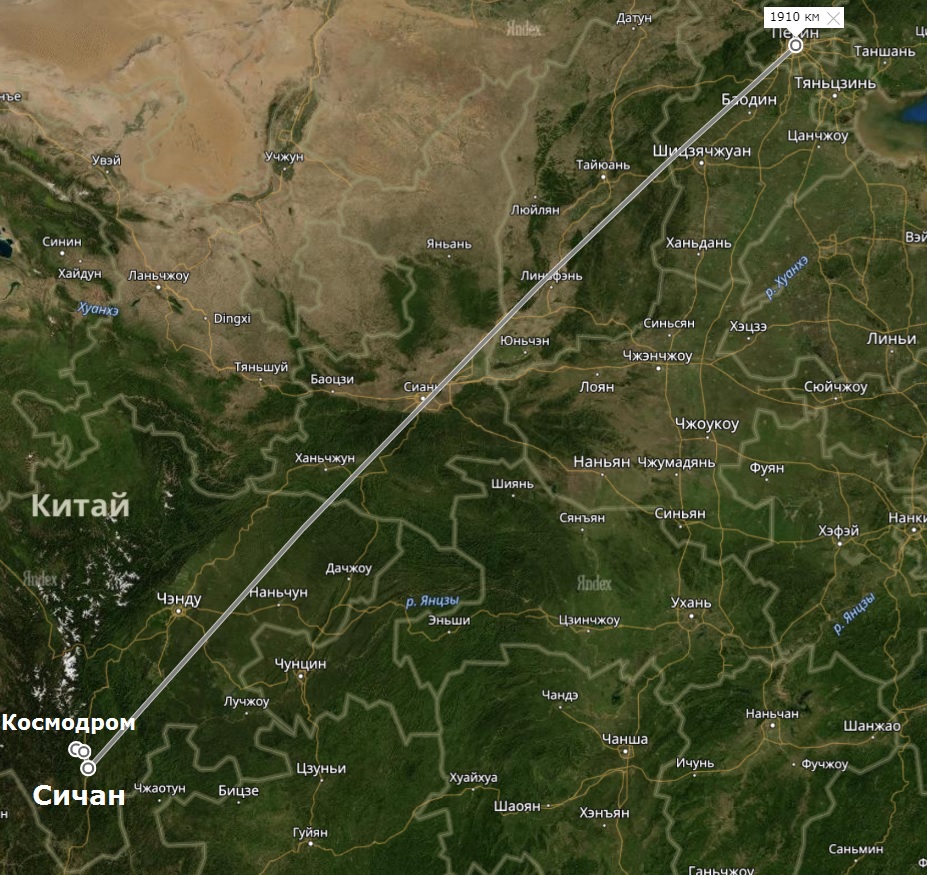
Scheme of the Sichan cosmodrome:
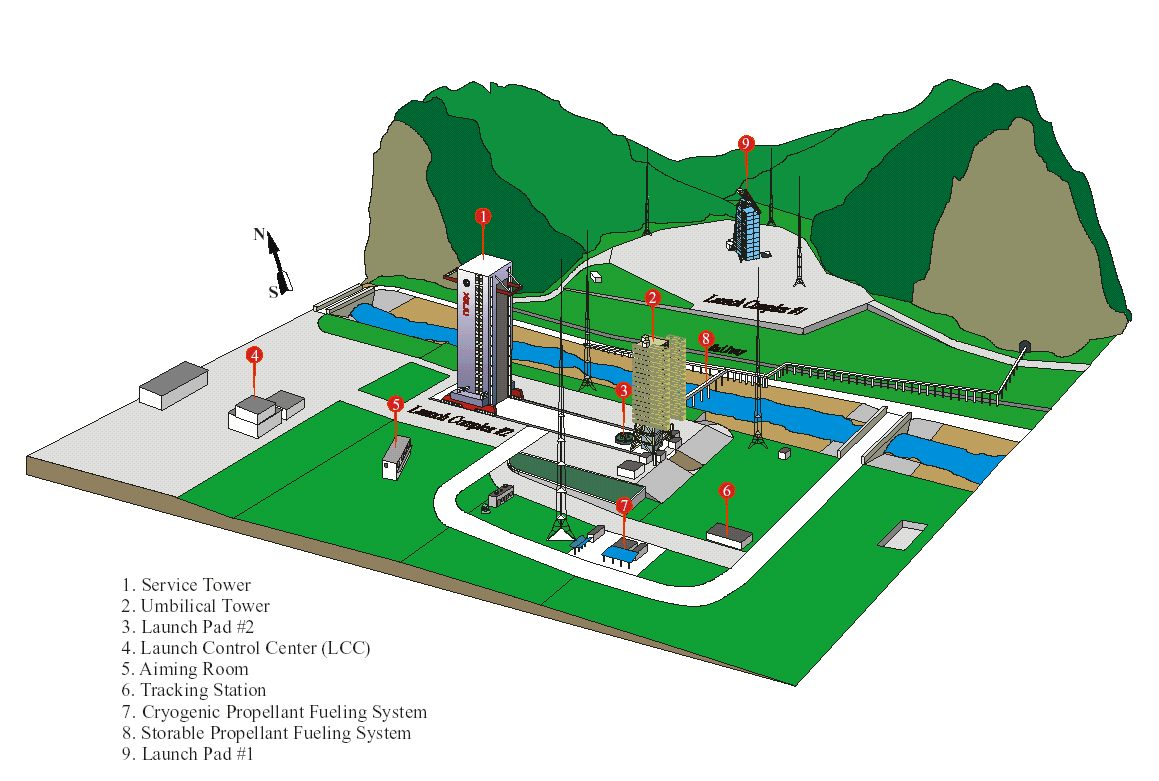
The cosmodrome has a developed technical infrastructure, which includes:
- a control and launch system;
- fuel system;
- control and measuring system;
- telecommunication system;
- system of meteorological observations;
- basic security system;
- a system for the delivery and escort of goods and bulky parts;
- security system and quick response to emergency situations.
Each of these systems employs proven and trained personnel — scientists, engineers, specialists, military, workers, who work 24 hours a day and 7 days a week without breaks or days off to assemble and prepare launch vehicles for launch, and provide high-quality pre-flight preparation and implementation of a tight schedule of almost monthly launches.
On the territory of the cosmodrome there are residential buildings for staff and workers. Some scientists, specialists and engineers involved in the preparation for the launch of spacecraft also live in the city of Xichang.
It’s very prestigious to work at the cosmodrome, there are a lot of young people here, there is an opportunity to gain invaluable experience, which in the future can help both in career and personal growth.
The cosmodrome’s telecommunication system includes satellite and optical communication lines, including for the organization of uninterrupted high-speed communications with the Chinese Academy of Space Technology in Beijing and the research observatories of the Chinese Academy of Sciences.
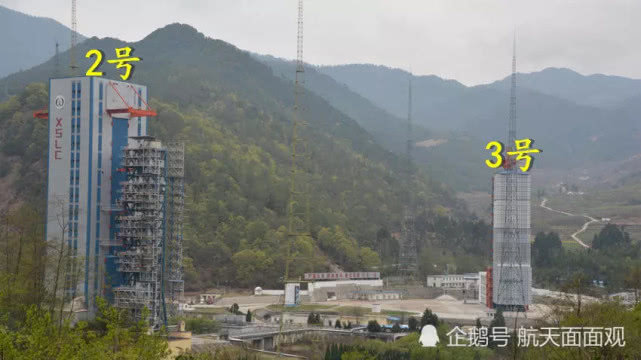
The control and launch system includes two launch complexes (SK1 and SK2, the distance between the complexes is about 1 kilometer):
- SK1 has one launcher and is equipped with an assembly and testing complex for working with high-tech equipment;
- SK2 has two launchers and is equipped with an assembly and testing complex that allows for the simultaneous assembly of three launch vehicles.
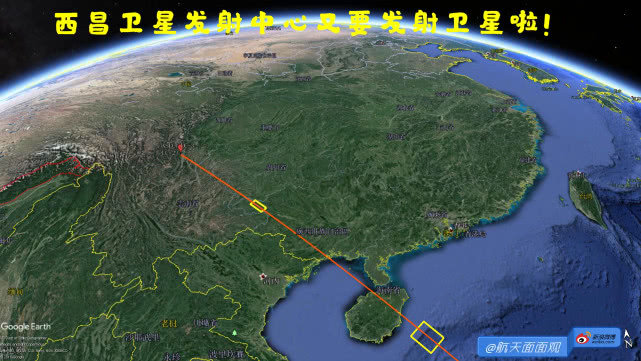
Launchers of the spaceport are located in the canyon at the foot of Liang Shan Mountain. After the launch, the launch vehicle begins to move along the canyon in the east or south-east direction.
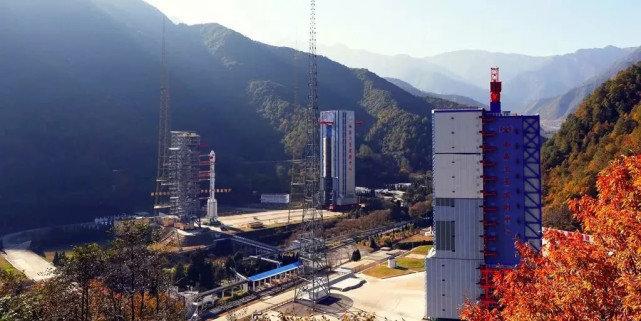
In the event of an emergency requiring the destruction of the launch vehicle, an explosion is made so that its debris does not fall in populated areas.
The compactness of the spaceport and the presence around villages and towns in the event of an accident could lead to great consequences. On February 14, 1996, an emergency occurred during the launch of the CZ-3B launch vehicle with the Intelsat 708 communications satellite. The satellite’s launch was broadcast on television to the United States, and just five seconds after the start of the ascent, the rocket deviated from the vertical by 45 °, and by the 15th second it fell on its side. Before the cessation of the television transmission, it was evident that one of the side accelerators was engulfed in flames. After 20 seconds, the launch vehicle exploded at a height of no more than 2 km, according to some reports, the explosion occurred after it crashed into the ground. The wreckage fell about 2 km southeast of the launch site. A rocket explosion was heard 40 km or more from the crash site.
Xinhua News Agency limited itself to a brief report that the launch vehicle did not put the satellite into orbit, and the accident is being investigated by the relevant departments. No disaster information was provided to the national media. Access to the missile fall area was closed. Only a day later, Chinese officials reported the deaths of four, and then six. In addition, more than 100 people, mostly peasants, were injured or injured while inhaling toxic smoke with beryllium compounds. Serious damage was done to the houses and buildings of the Sichuan Valley, but the construction of the Sichan cosmodrome was not affected, the official said. According to the foreign representatives present at the launch, the crash site was only 100-200 m from a small village,
Here is an example of a regular fall of carrier debris after a successful launch (I hope the photographer was in a gas mask):
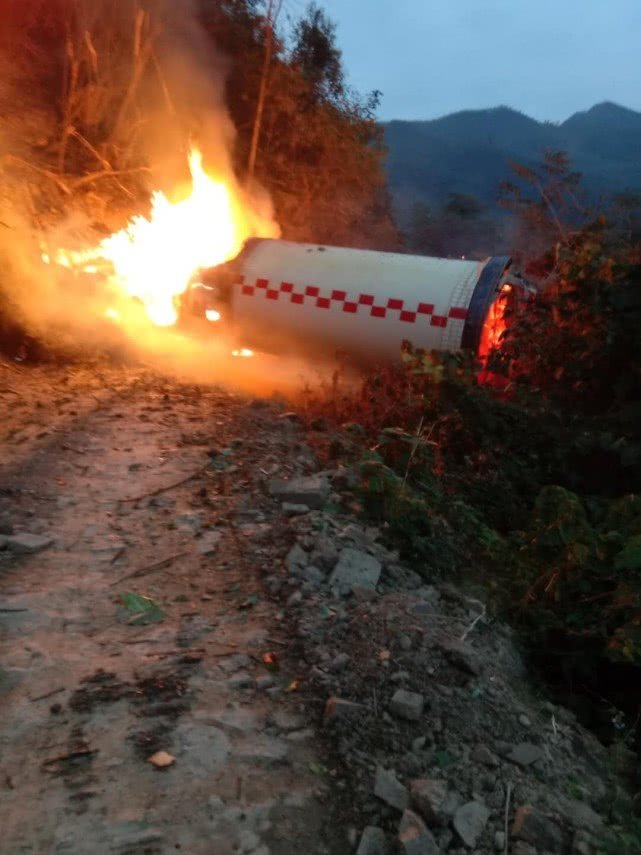
In the south-west of China in the Baise city district (Guangxi Zhuang Autonomous Region), on January 12, 2018, local residents videotaped the fall of an unknown space object. According to the authorities, the zone of impact of the rocket was set in advance.
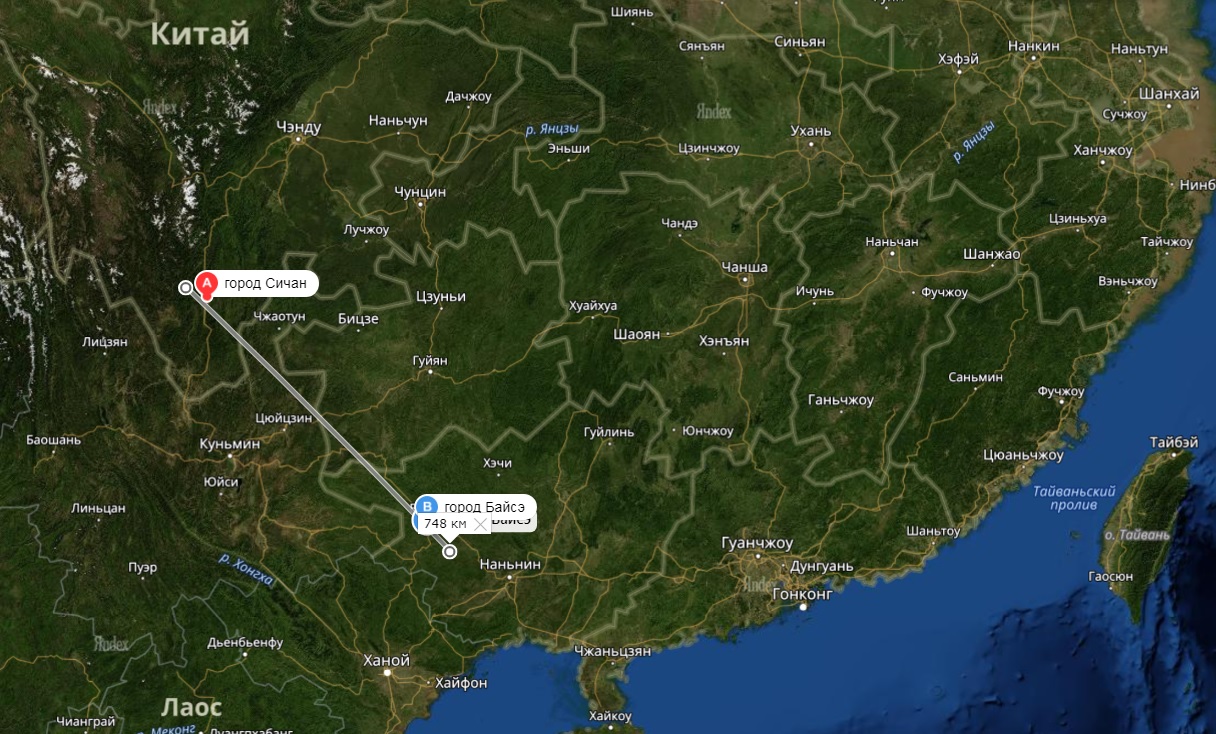

So even now, every launch from the Sichan Cosmodrome is still a roulette with a place where debris fell on settlements. According to Chinese regulations, people near a place where debris fell or a rocket crashed should still be evacuated normally without warning and imposing a state of emergency.
The Sichan cosmodrome is located in a zone of tropical showers, and in the summer of 1999 the perimeter of the cosmodrome was damaged by mudflows, the launch facilities were not damaged. To prevent such situations, the cosmodrome facilities were repaired and modernized, the outer perimeter in the zone of adjoining the mountain slopes was strengthened.
At present, the location of the Xichang cosmodrome meets the requirements for the safe fall of spent stages into the Pacific Ocean and corresponds in geographic latitude to the cosmodrome at Cape Canaveral, Florida, USA, so you can use trajectory models developed in the USA to launch into geo-transition orbit.
Launcher trajectory after launch:
In 1988, the Sichan cosmodrome was opened for visiting by foreign specialists, a state program was launched for the commercial use of the cosmodrome for organizing spacecraft launches in various countries, “clean rooms” facilities were constructed inside the cosmodrome perimeter that meet Western standards for installation and technological testing of equipment. Also, the Xichang cosmodrome officially passed the certification of the ISO 9001 international quality system.
The estimated workload of the spaceport is already estimated at 15-17 launches per year when performing the prelaunch procedure from 20 days to two months for one launch vehicle. The great proximity of this cosmodrome to the equator compared to the first Chinese cosmodrome Jiuquan gives an energy gain when launching spacecraft into geostationary orbit. Currently, the number of launches at the Xichang cosmodrome is only increasing from year to year.
In December 2016, the Xichang cosmodrome was listed on the National List of the Best Tourist Attractions.
It is very interesting - but how do people work and live there in this tense and complex space-launch environment?
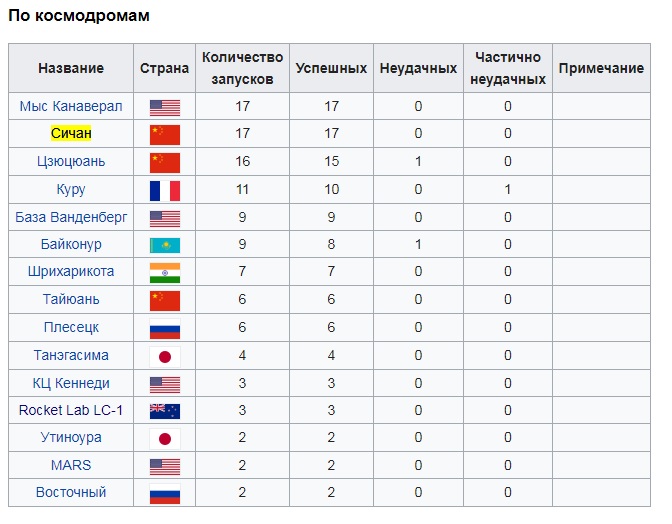
After all, being able to realize 32 launches in the first 296 days of 2018, only according to this table, is an incredible effort:
Moreover, in 2018, 17 launches were performed at the Sichan cosmodrome alone, which is more than the country from the third line in this table and other positions below:
Launch table in 2018 for cosmodromes in the world:
Launch table at the Sichan cosmodrome in 2018:
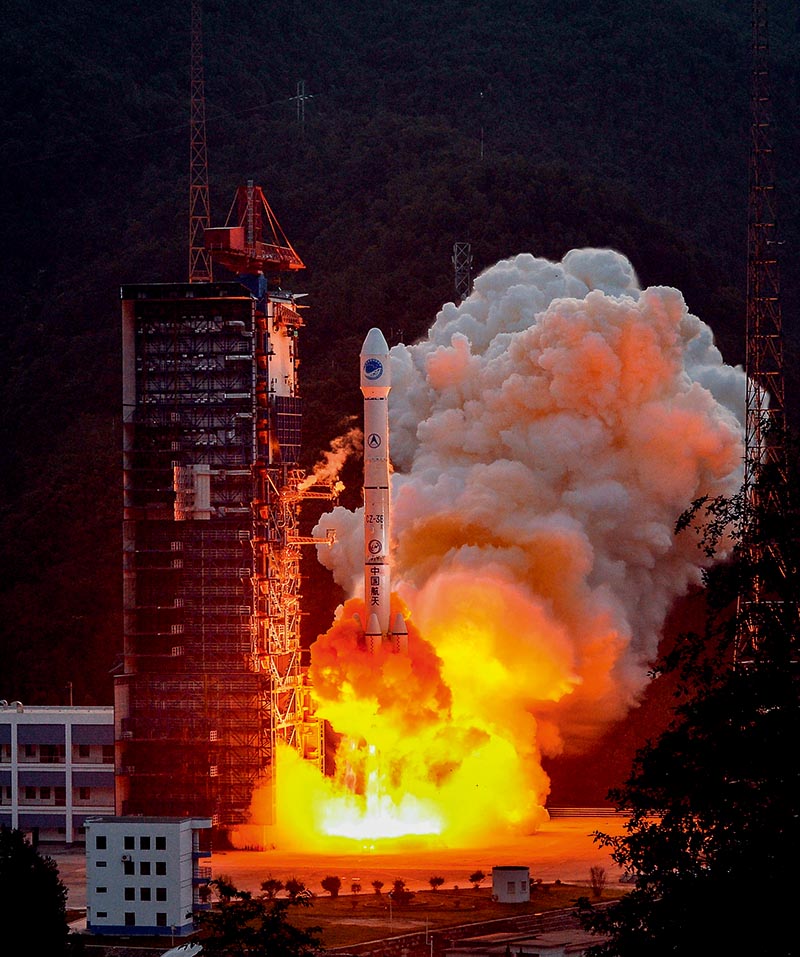
All the launches were made from two launching boards of the second launch complex:
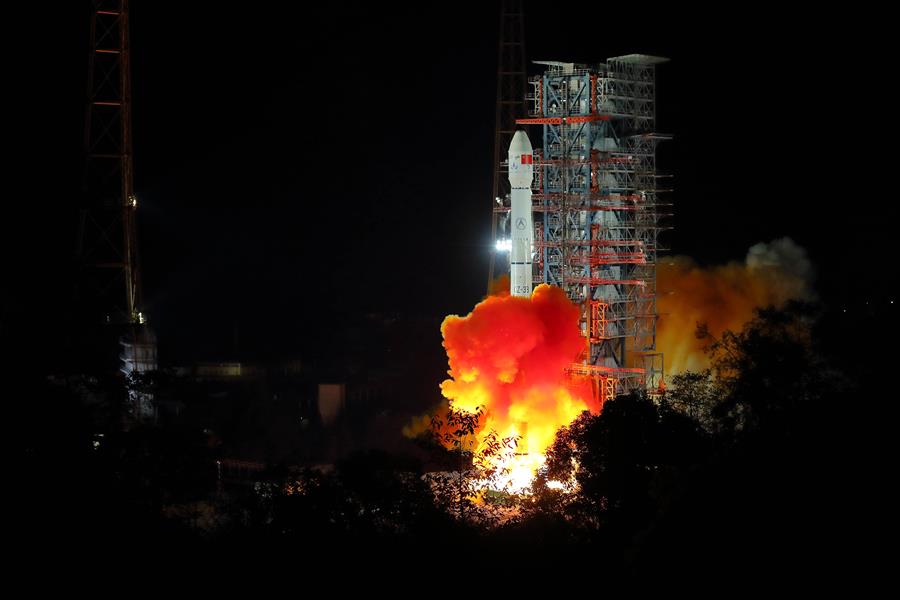
And now we plunge into the inner world of the Sichan Cosmodrome.
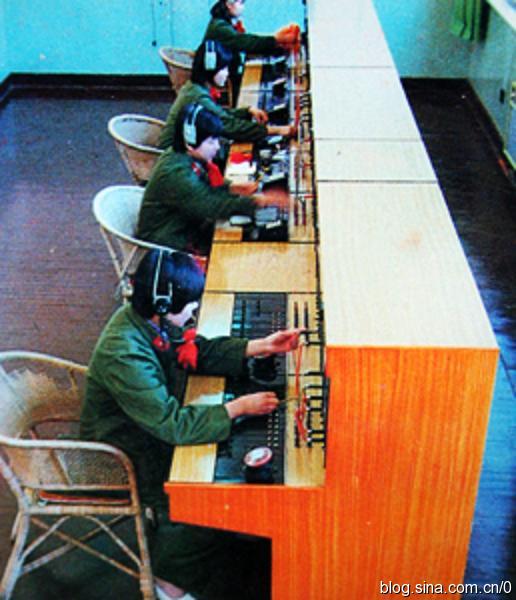
Communication center of the Sichan cosmodrome, 80s:

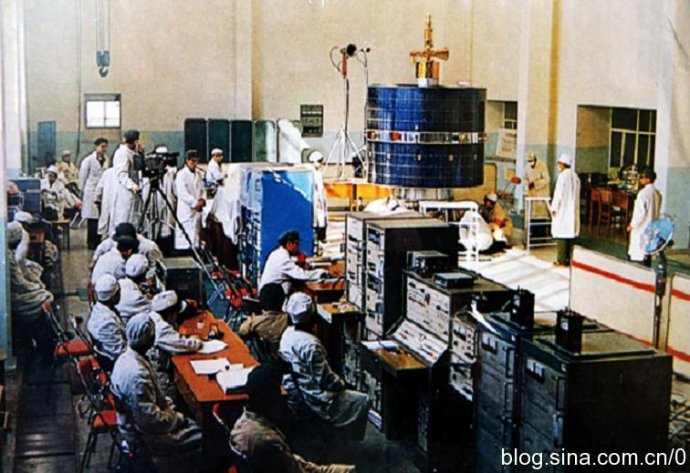
Installation and testing complex of the Sichan cosmodrome, 80s:
Communication center of the Sichan cosmodrome, today:
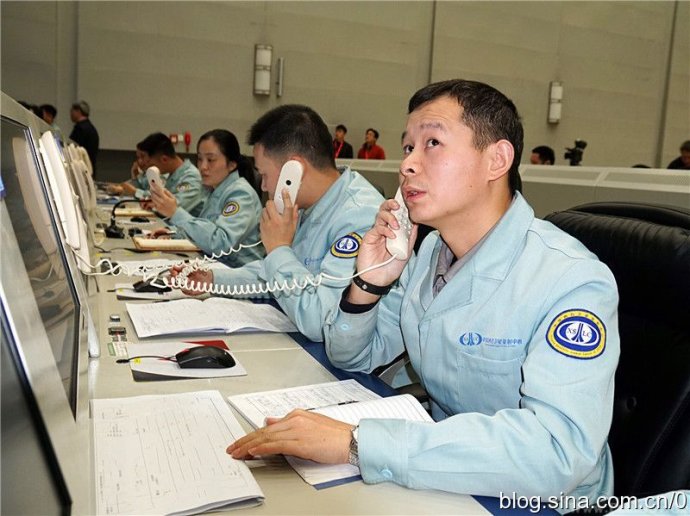
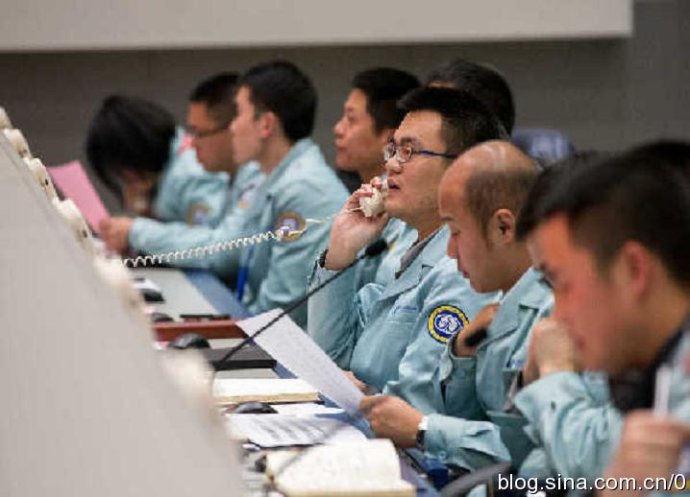
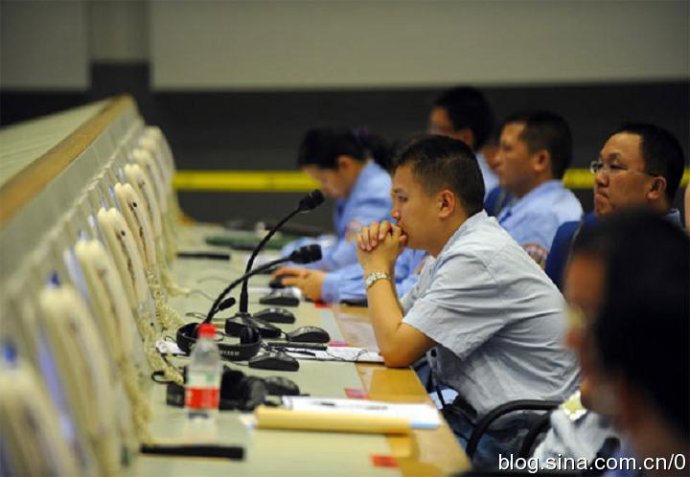
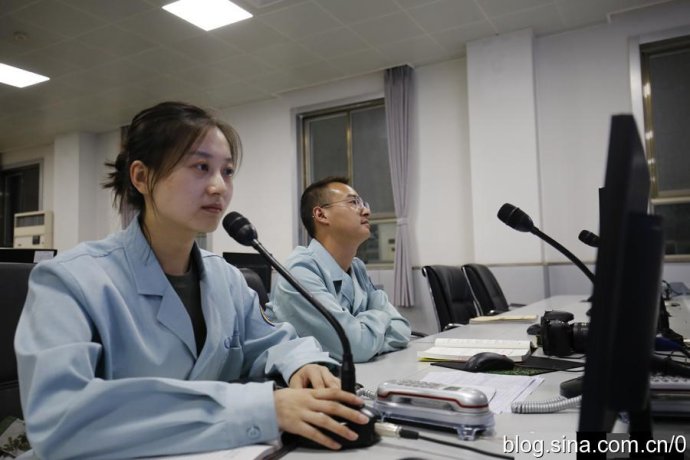
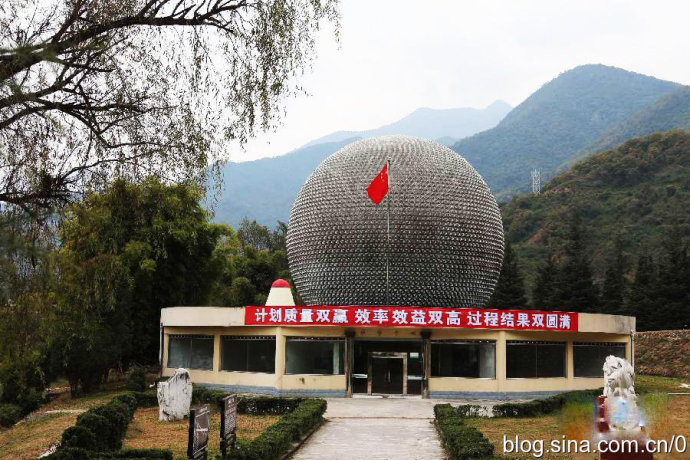
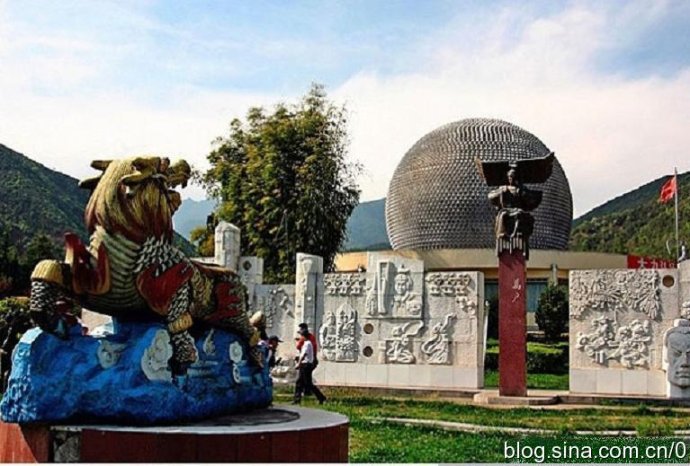
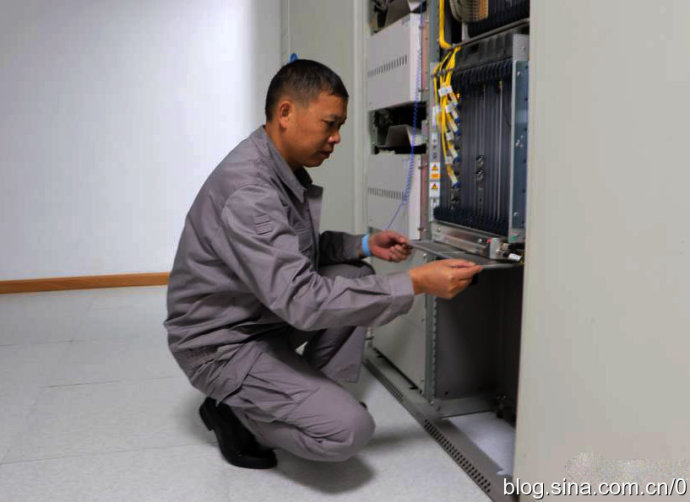
Telecommunication system of the Sichan cosmodrome, today:
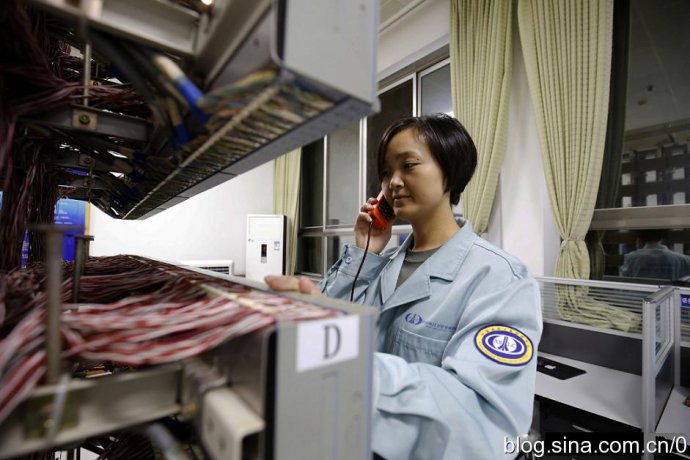
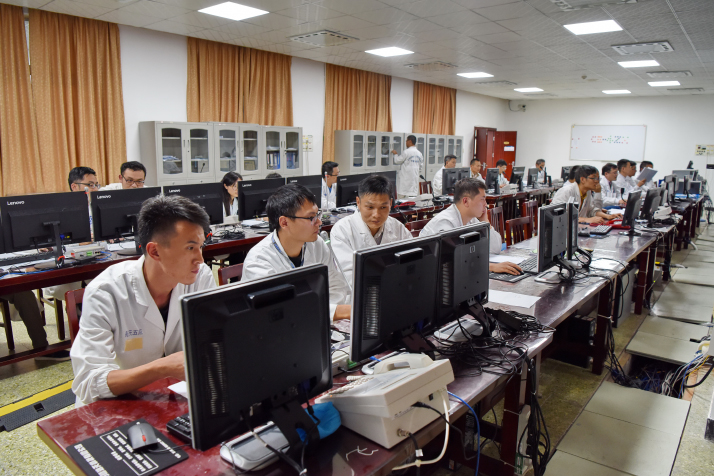
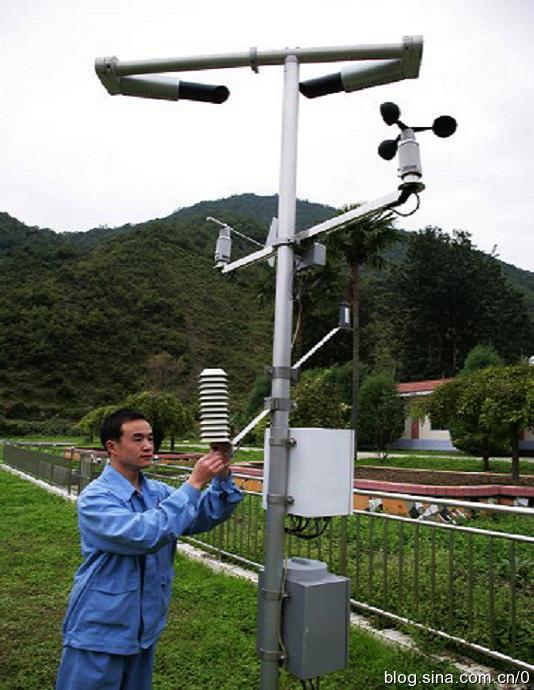
Weather station of the Sichan cosmodrome, today:
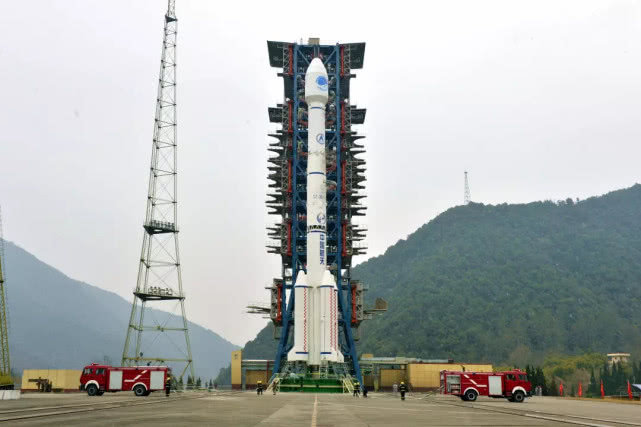
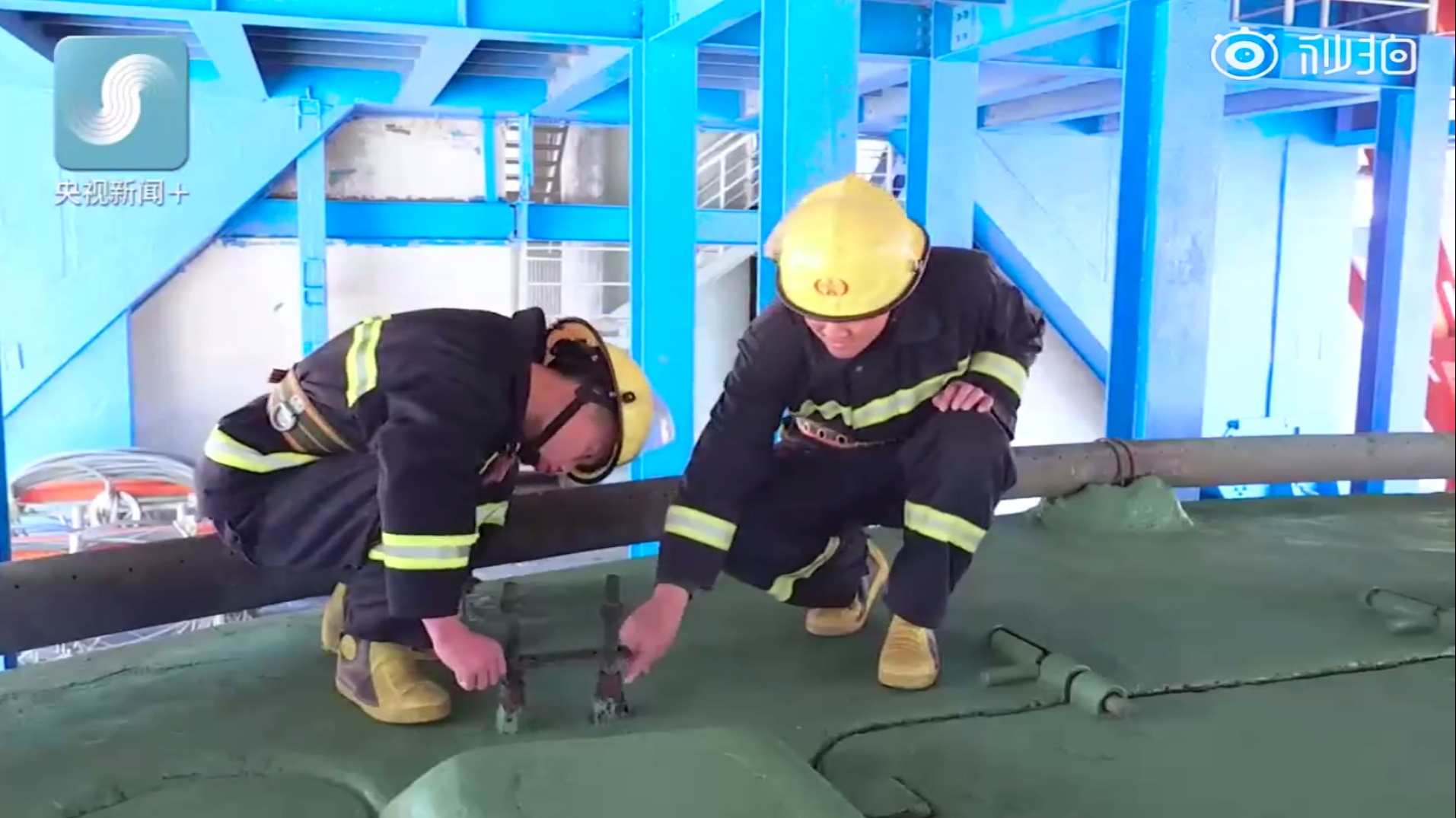
Training of the fire brigade at the cosmodrome Xichang:
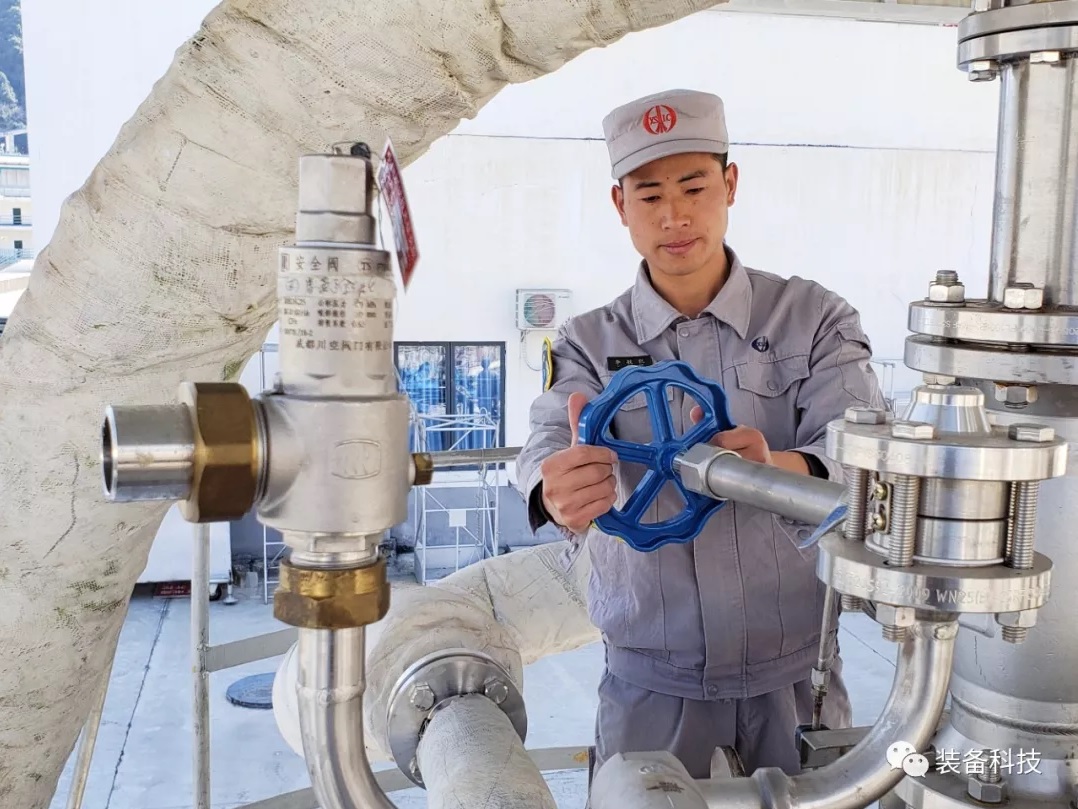
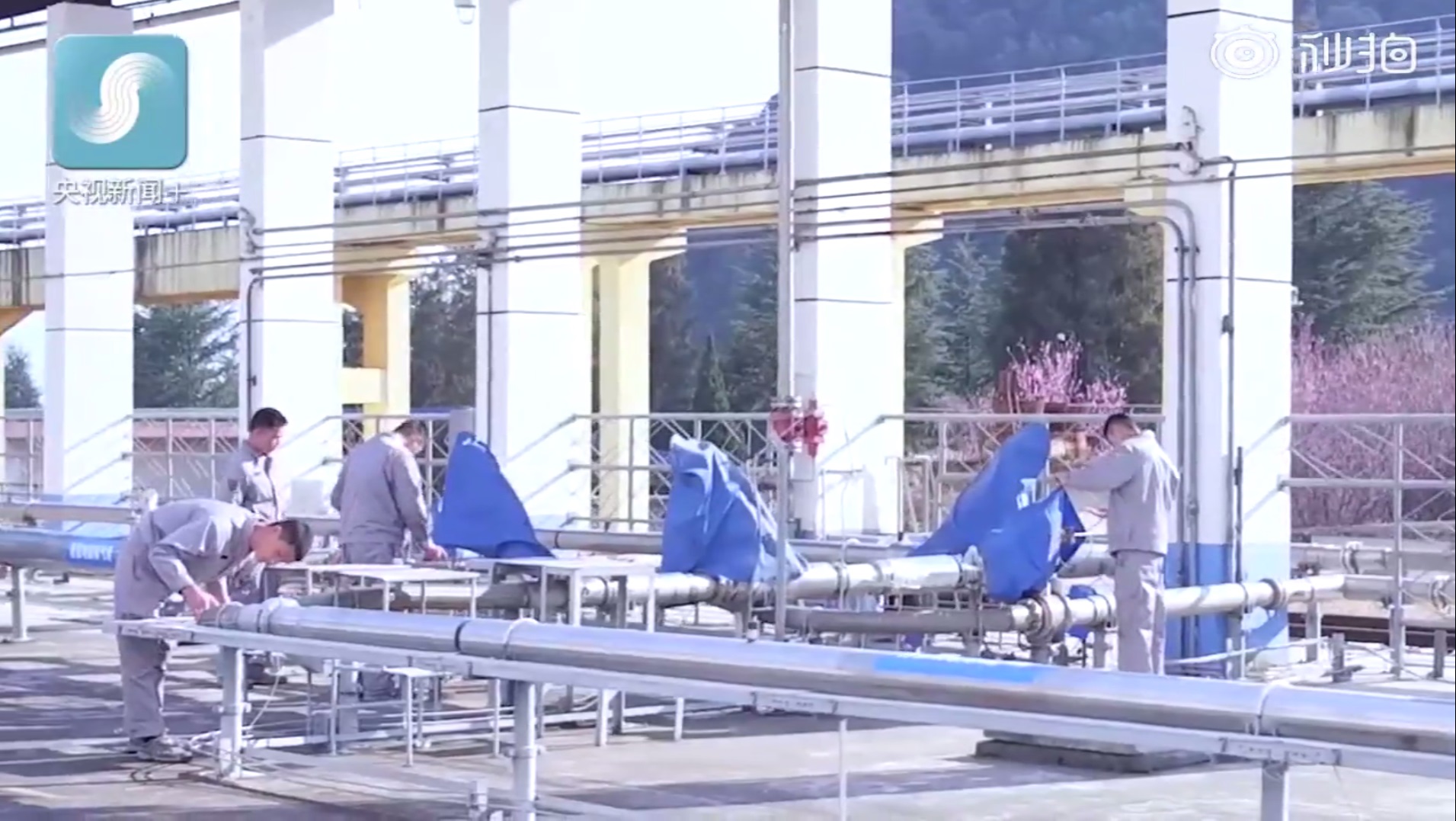
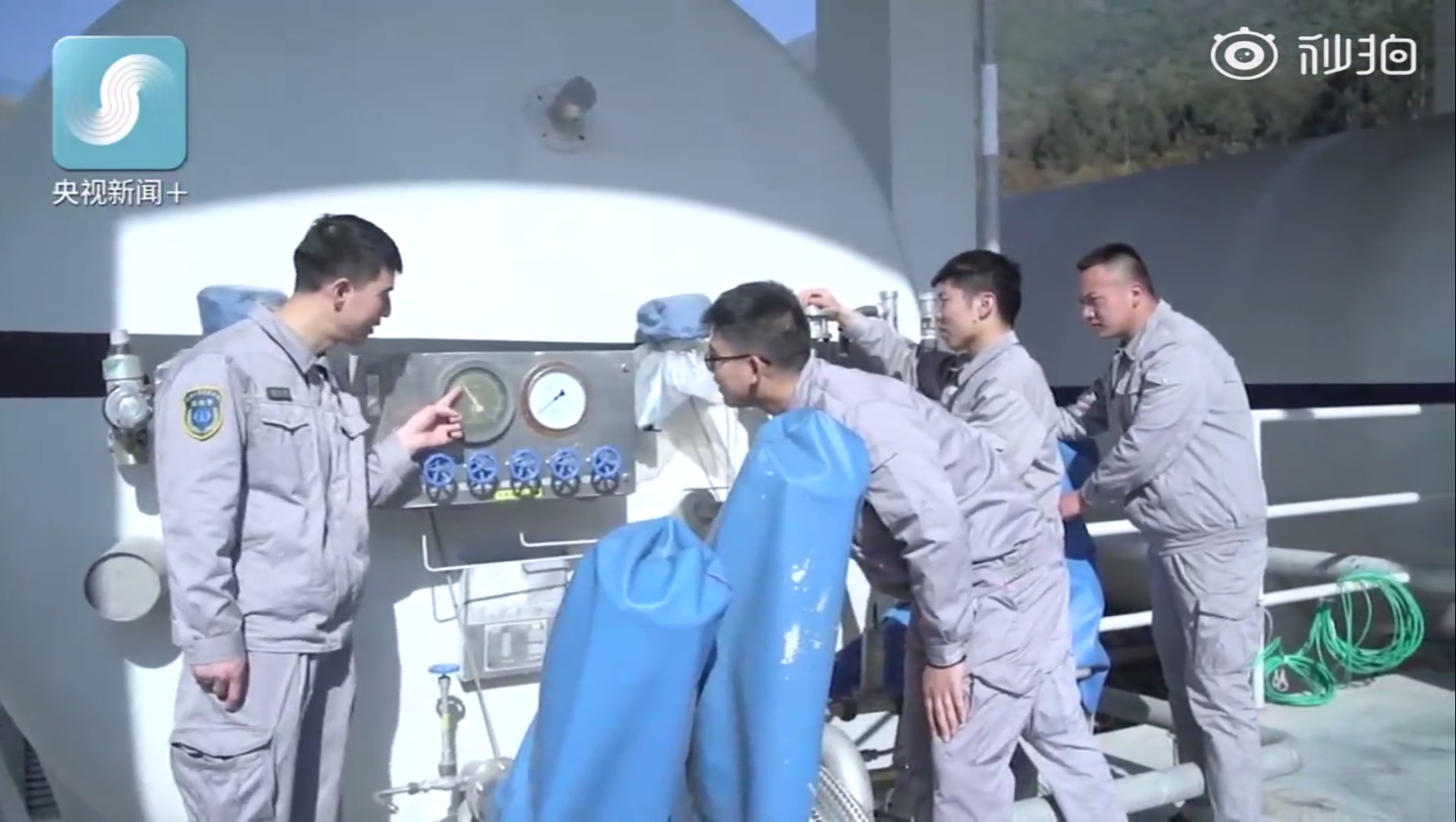
Li Minkai, the main operator of the liquid nitrogen storage monitoring and control station at the Sichan cosmodrome at post No. 2, checks the condition of the tanks with liquid oxygen and liquid nitrogen, and also examines the condition of pipelines and connections on a route longer than 700 meters.
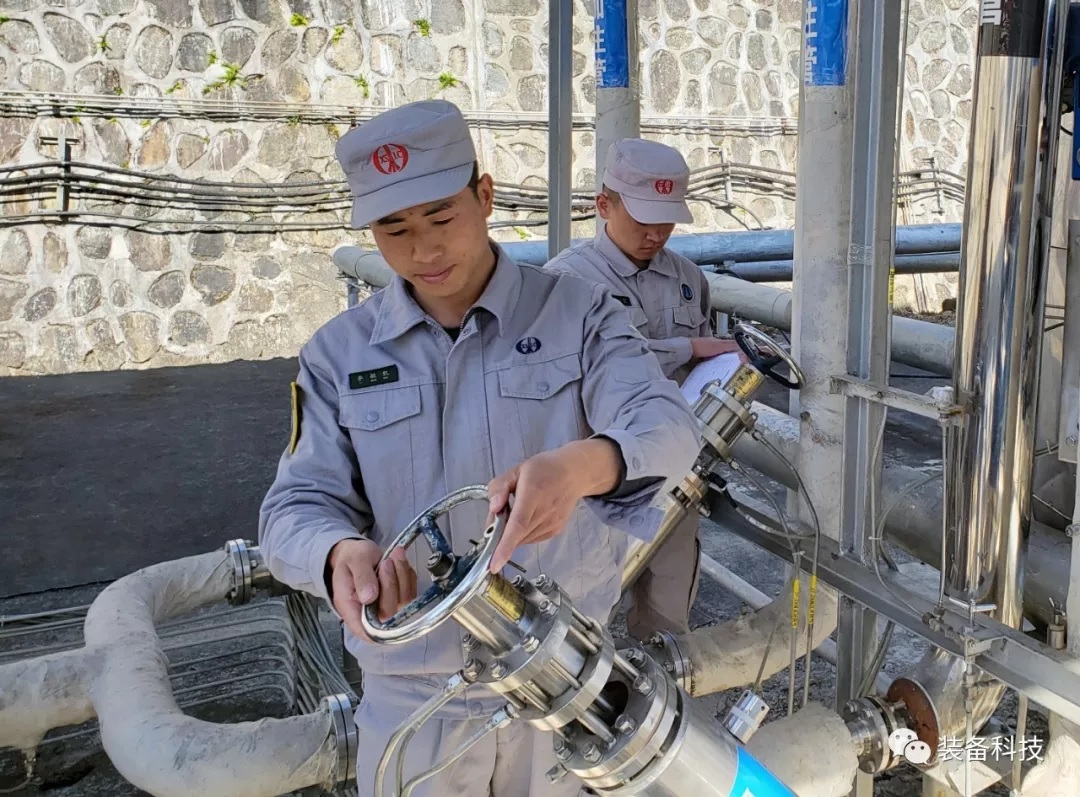
Subsequently, he went to post No. 3, where he carefully checked and recorded in the log data on pressure, fluid levels and valve status.
“In the event of a rocket fuel leak, the consequences can be unimaginable. The inspection should be serious, thoughtful and thorough, to ensure further safety and reliability of the equipment, as well as the absence of any losses in the tanks, ”said Li Minkai.
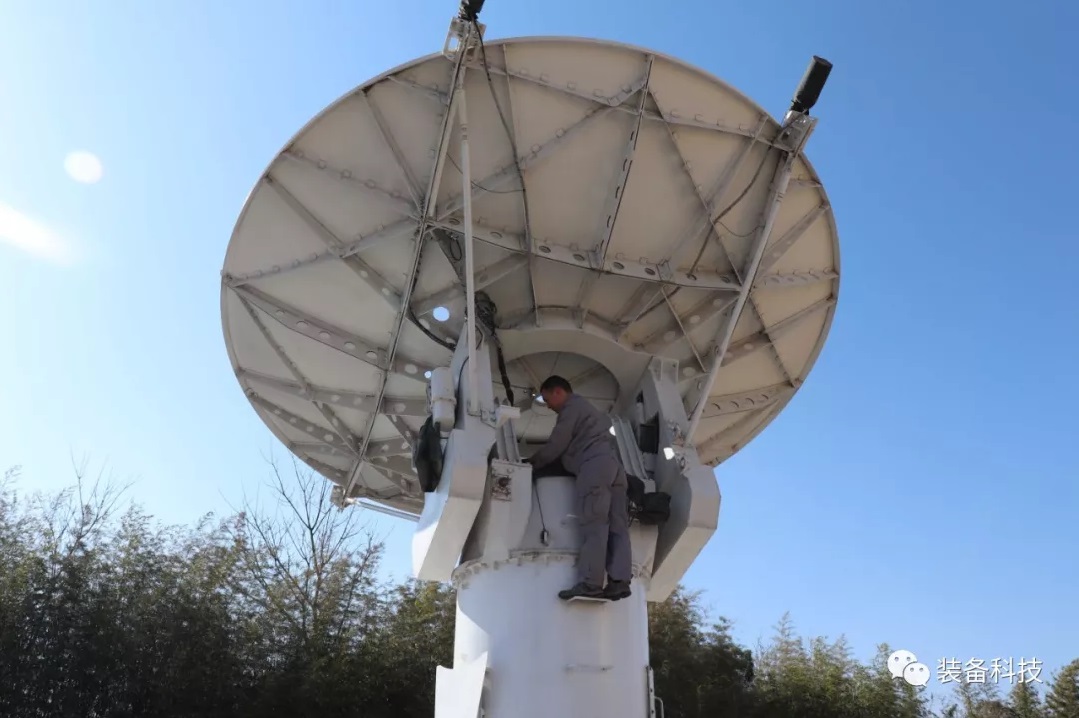
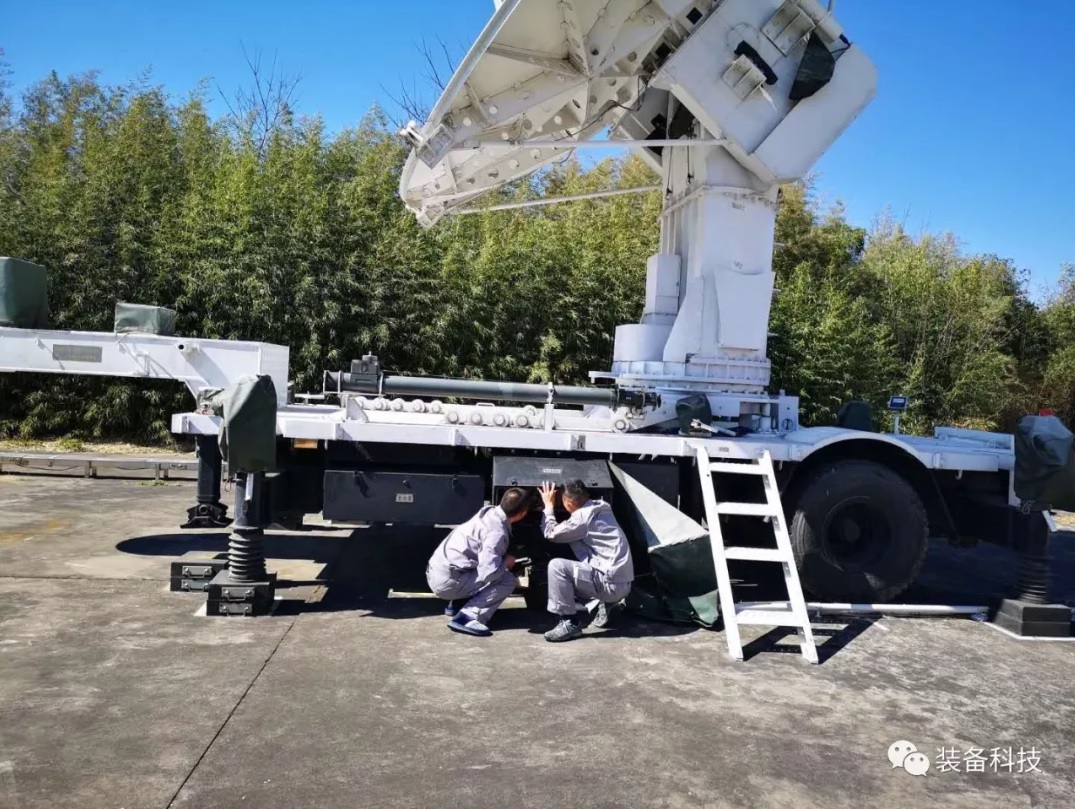
Specialists of the technical department of the cosmodrome check the status of satellite communications equipment:
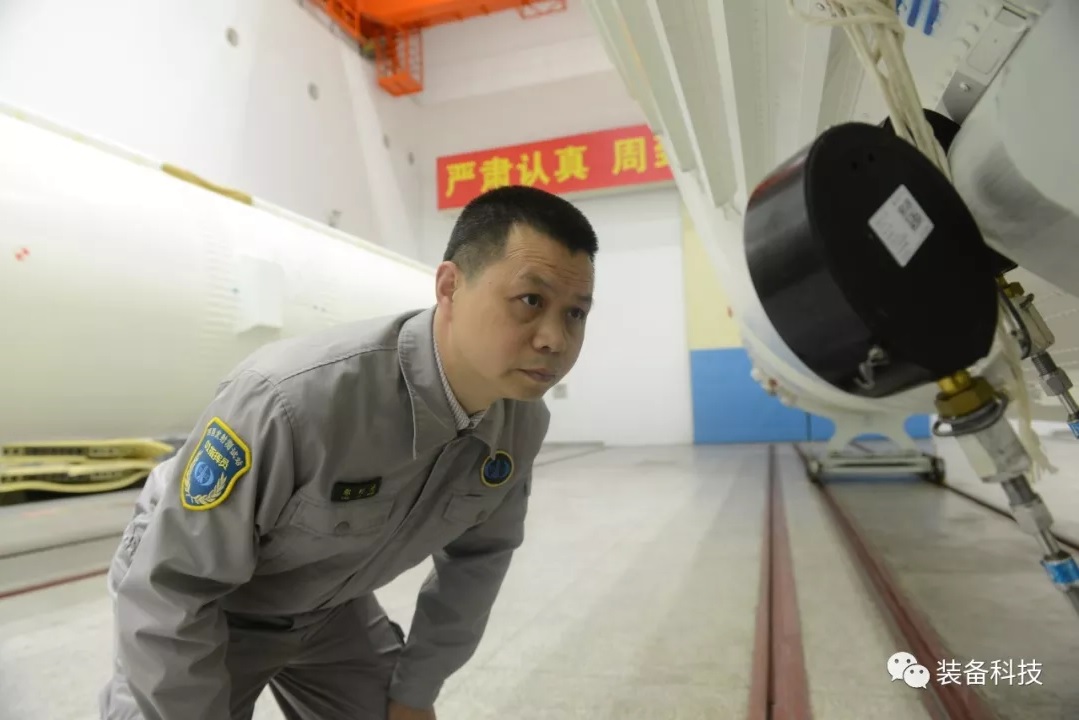
“Dozens of subsystems, hundreds of technical posts and almost a thousand employees on the launch pad are under my command,” said Yu Litsin, the commander of the preparation and organization of the launch rocket launch.Checking the pressure in rocket tanks:
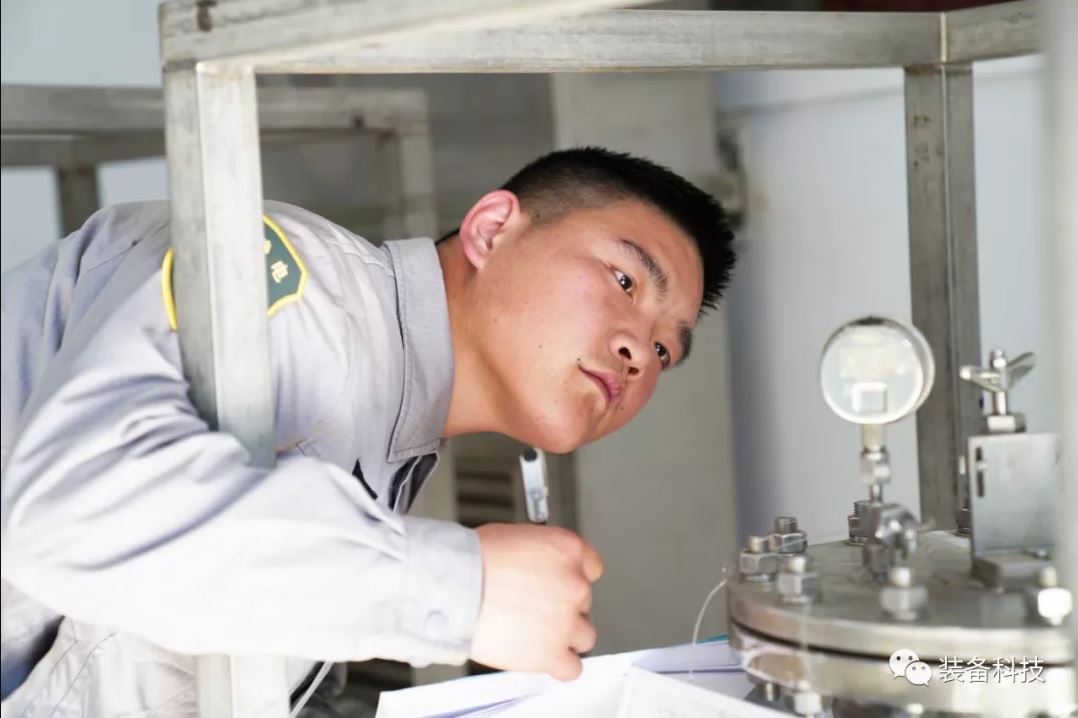
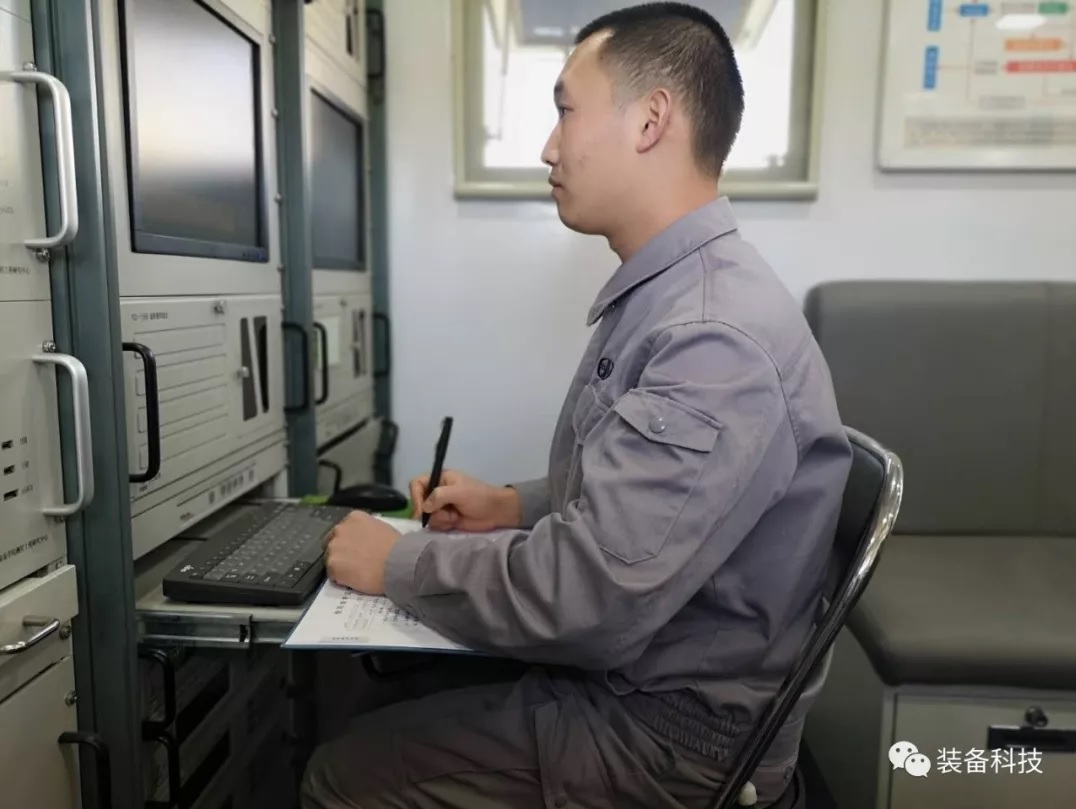
Reconciling data on incoming reports:
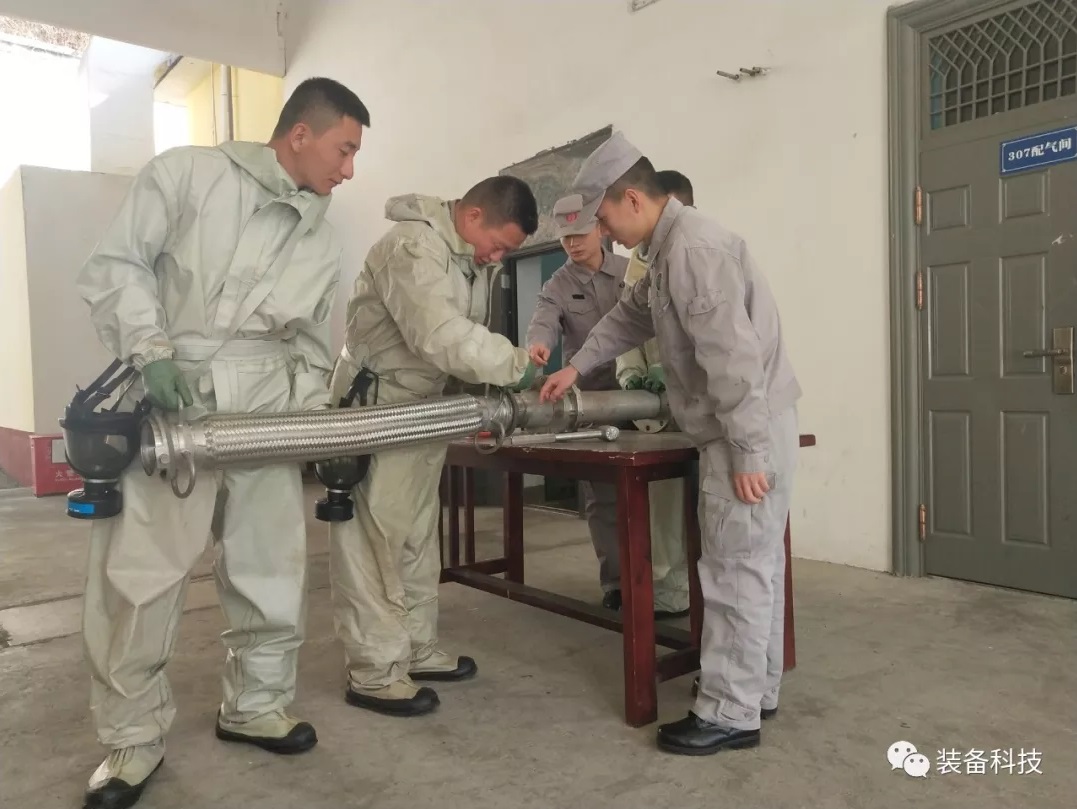
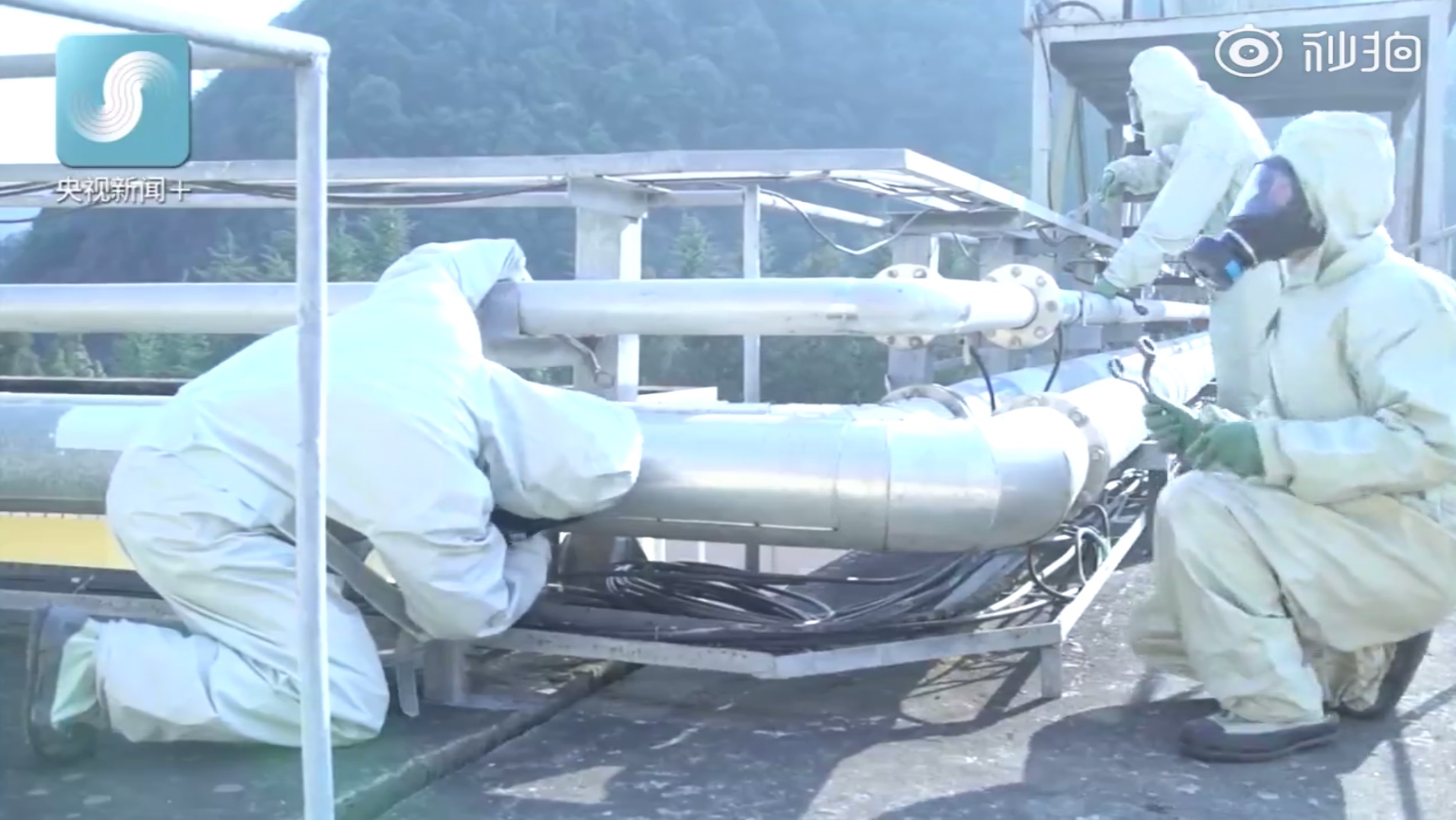
Repair work with a fragment of the pipeline (personal protective equipment as an integral part of the work process):
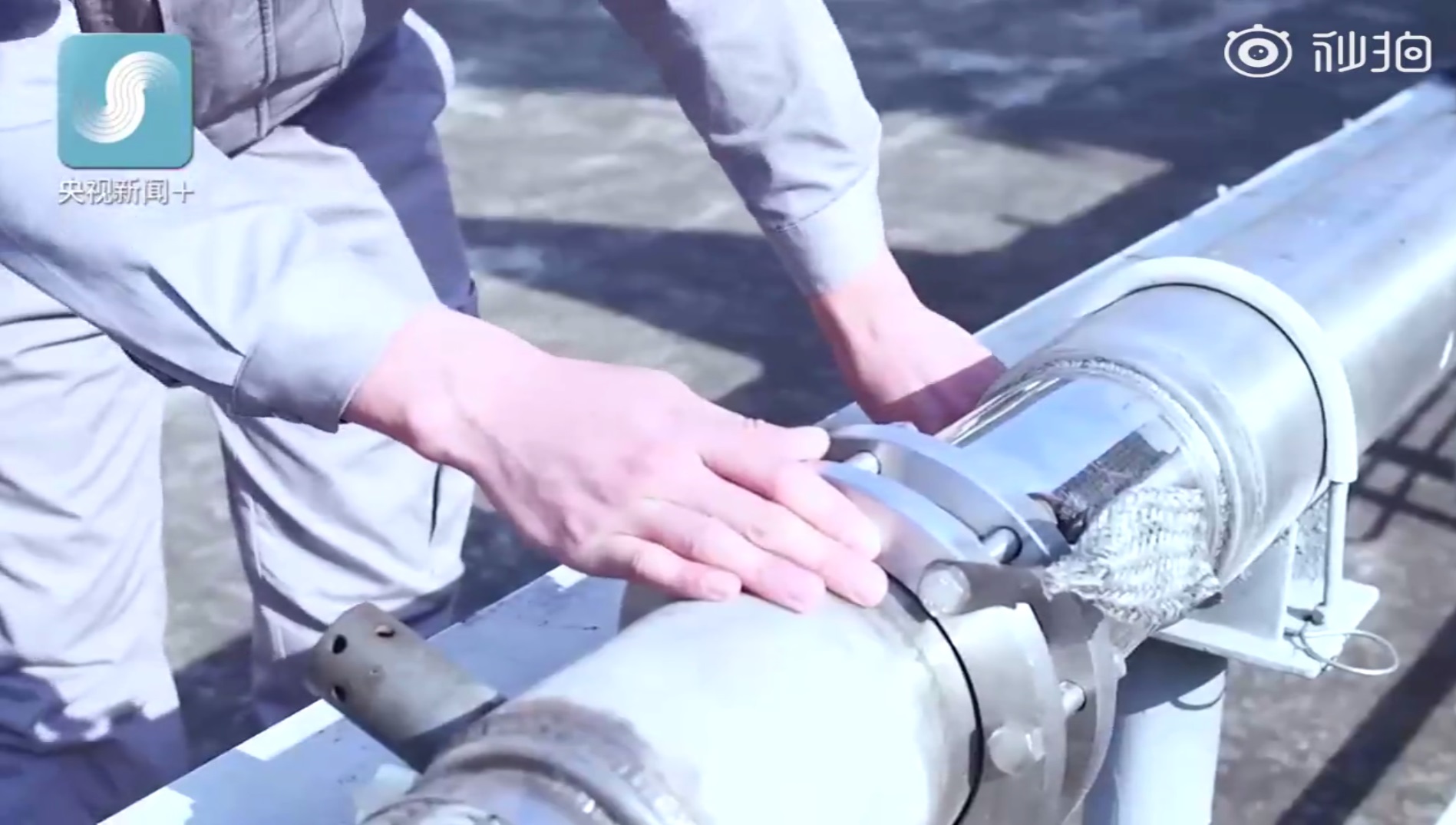
Photos from other posts at the spaceport:
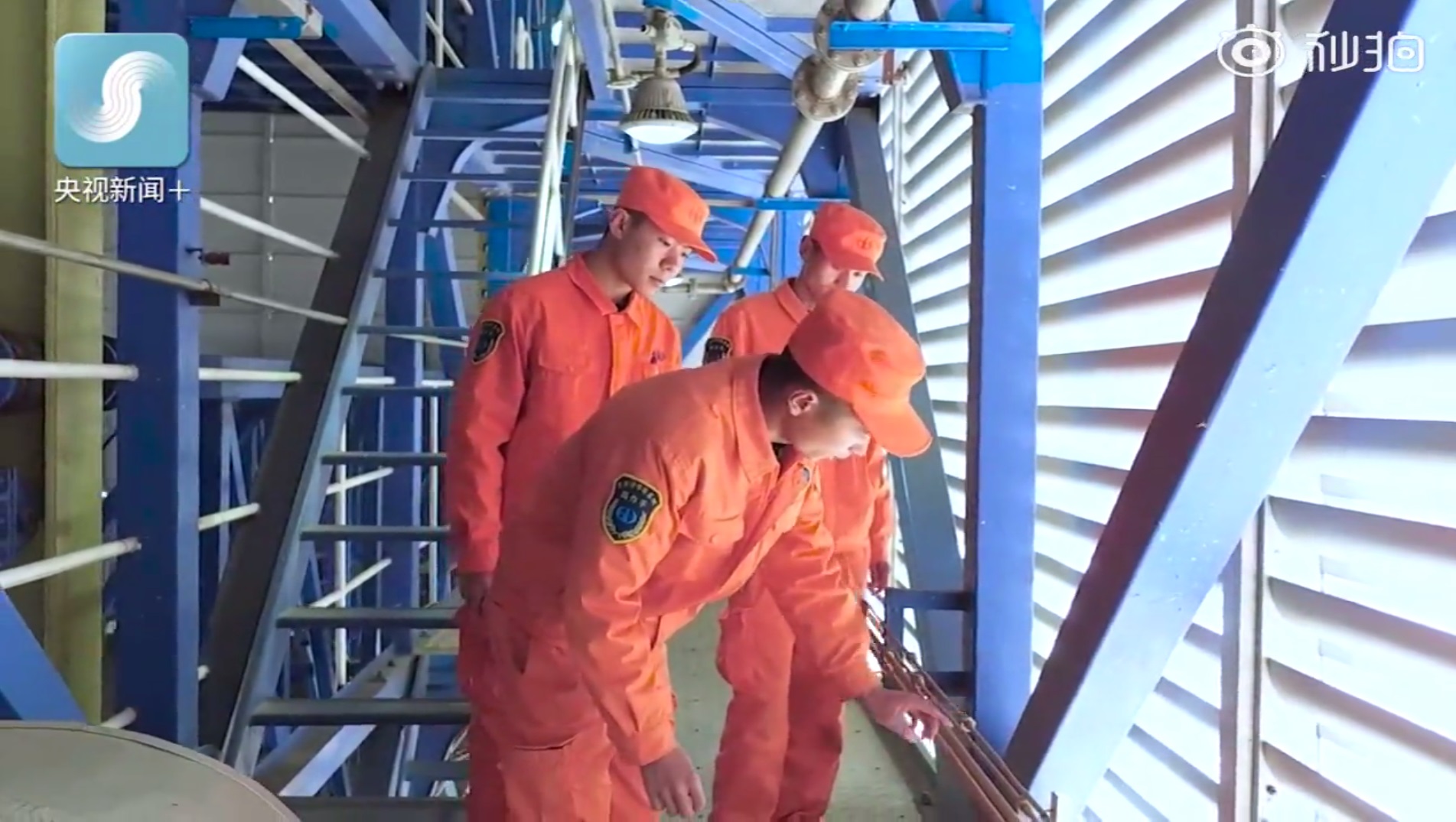
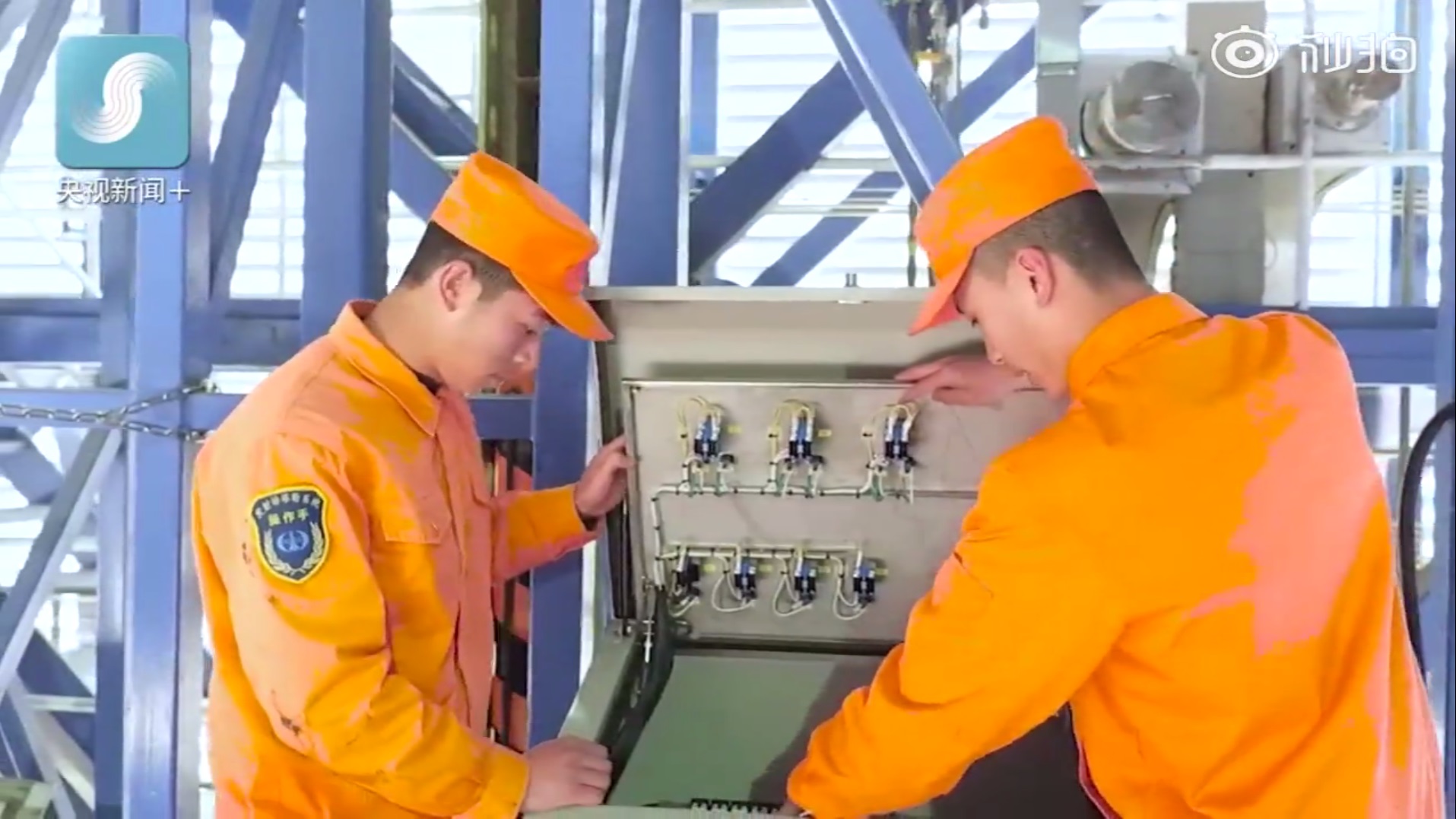
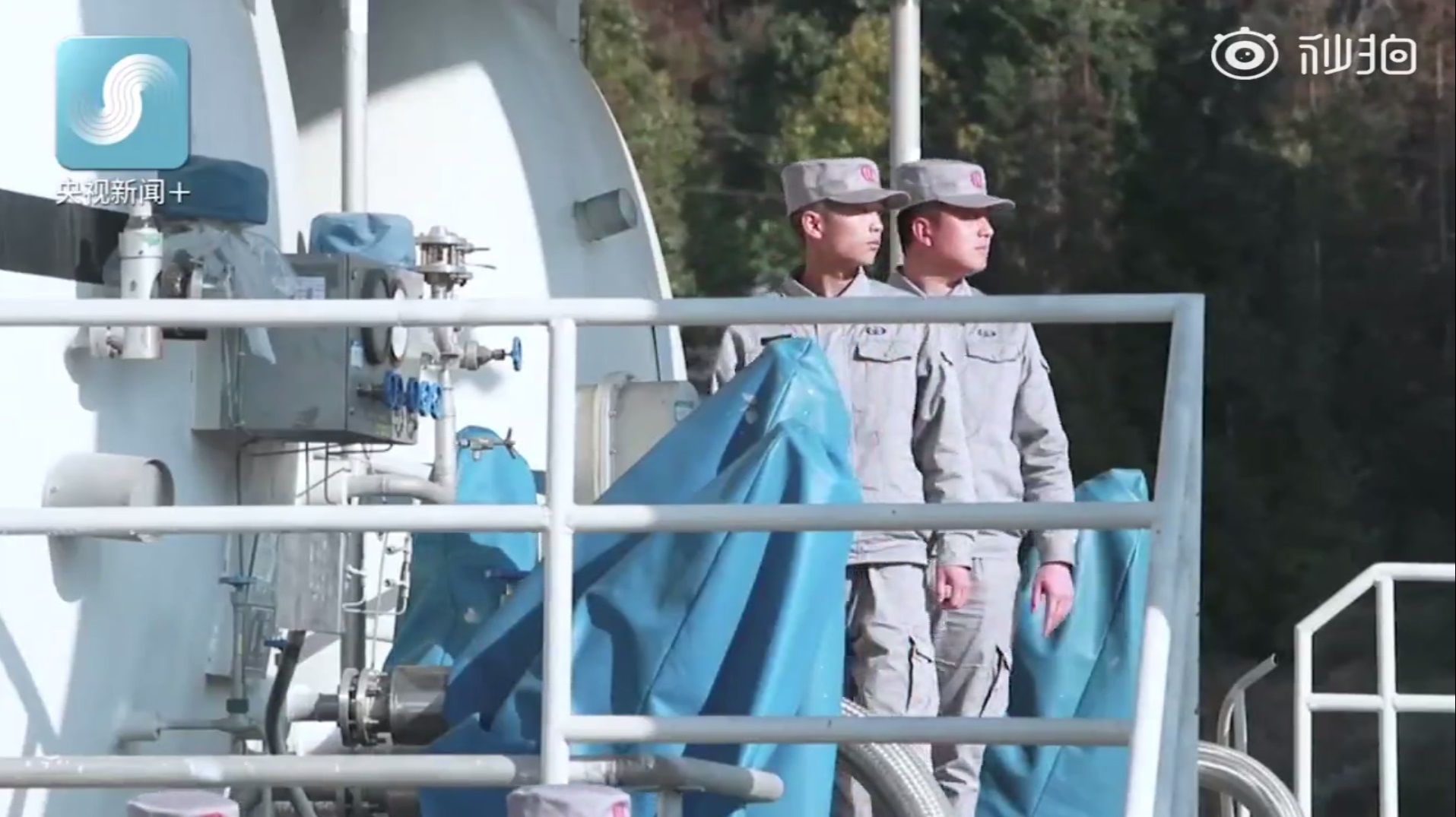
«В 2018 году стартовая мощность космодрома Сичан была значительно увеличена и достигла блестящего рекорда в 17 запусков. В 2019 году наша миссия по организации запусков с космодрома Сичан продолжается, мы как всегда сосредоточены на контроле качества ракетных компонентов и обеспечении успеха в запуске спутников и космических станций, будет еще больше китайских чудес," — рассказал Юй Лицин с гордостью.One day from the working shift of the specialists at the cosmodrome post
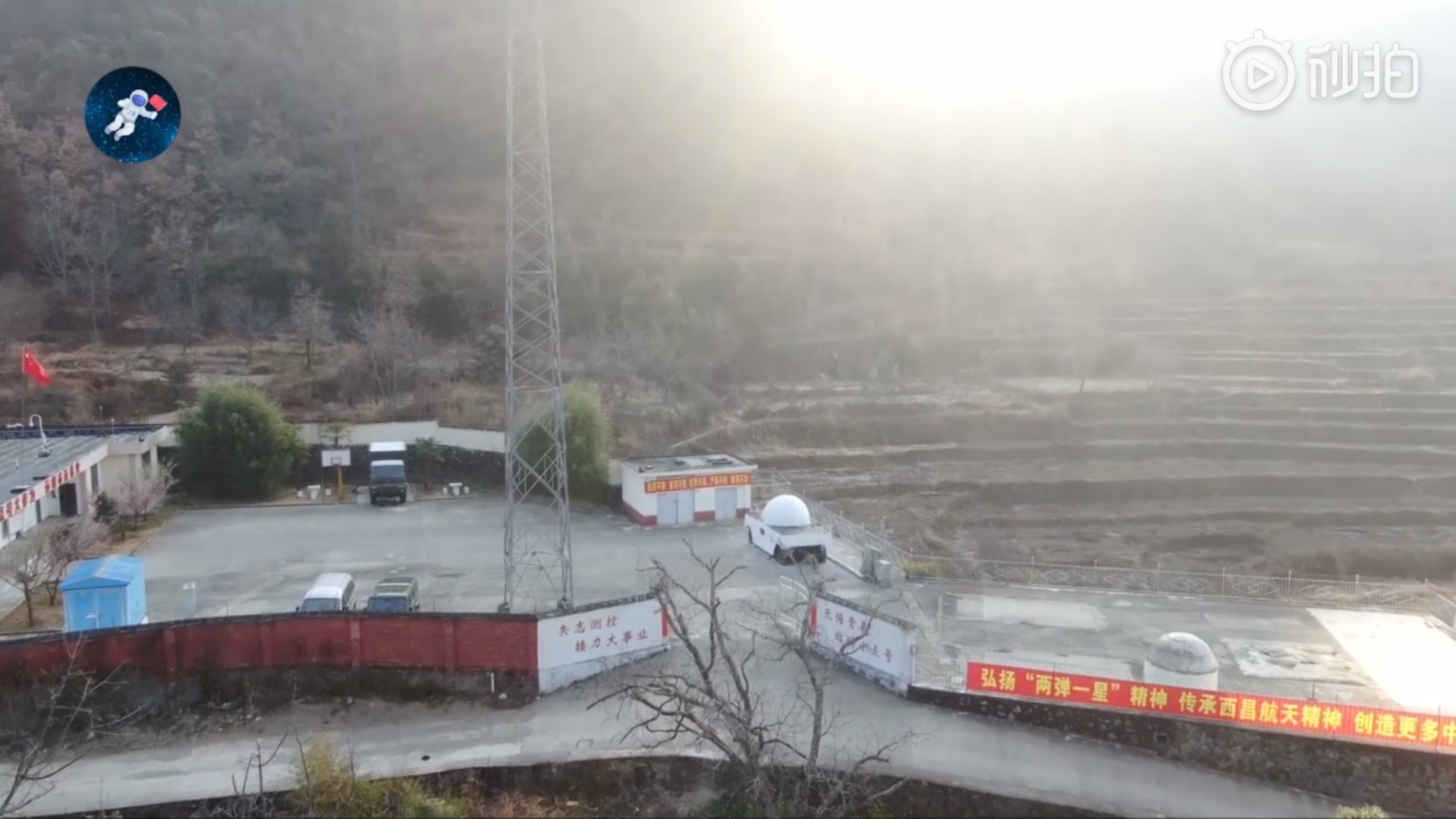
Morning is fine, the sky is clear, there is no fog: The
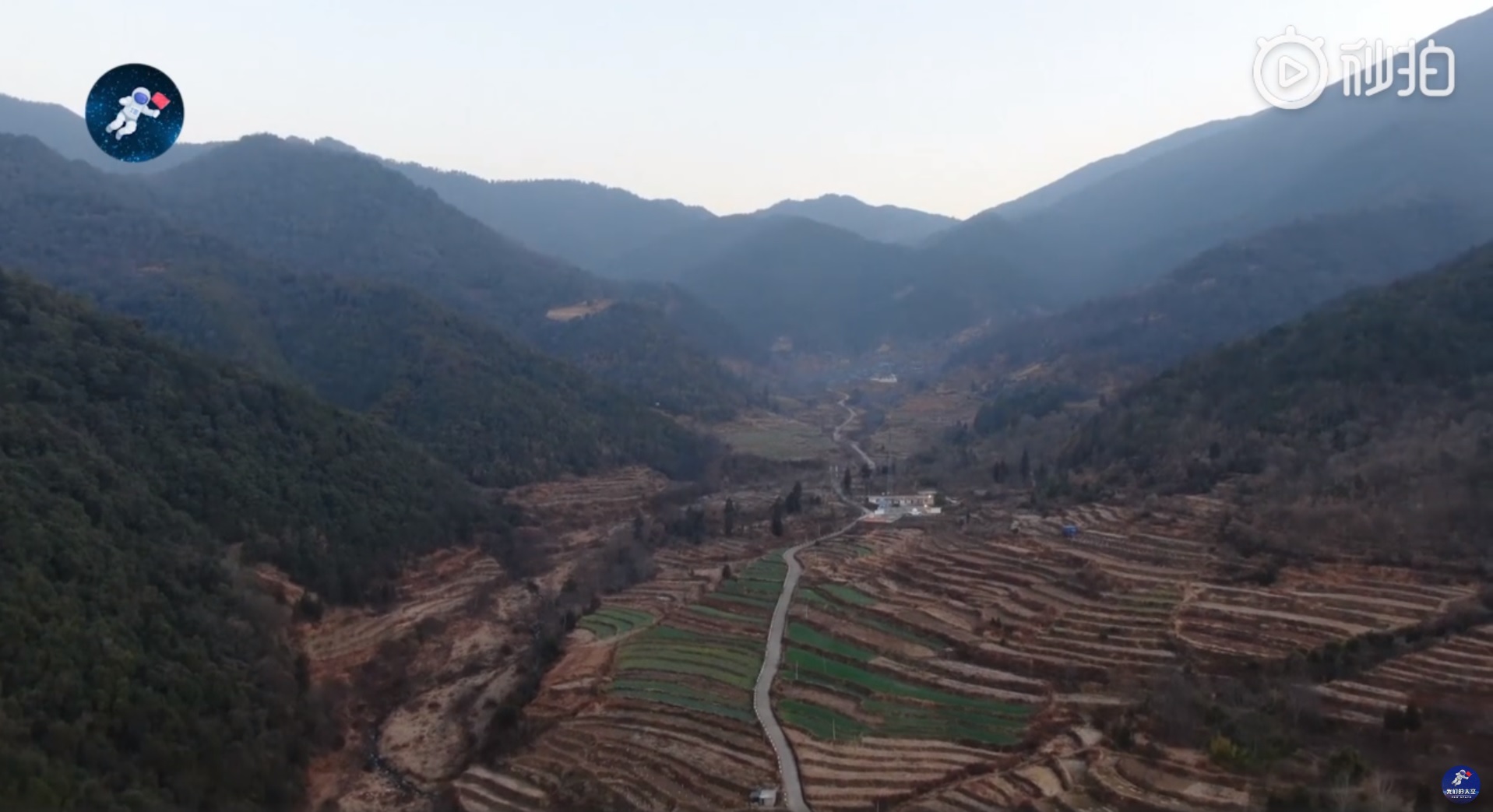
cosmodrome post is ready to start a new shift:
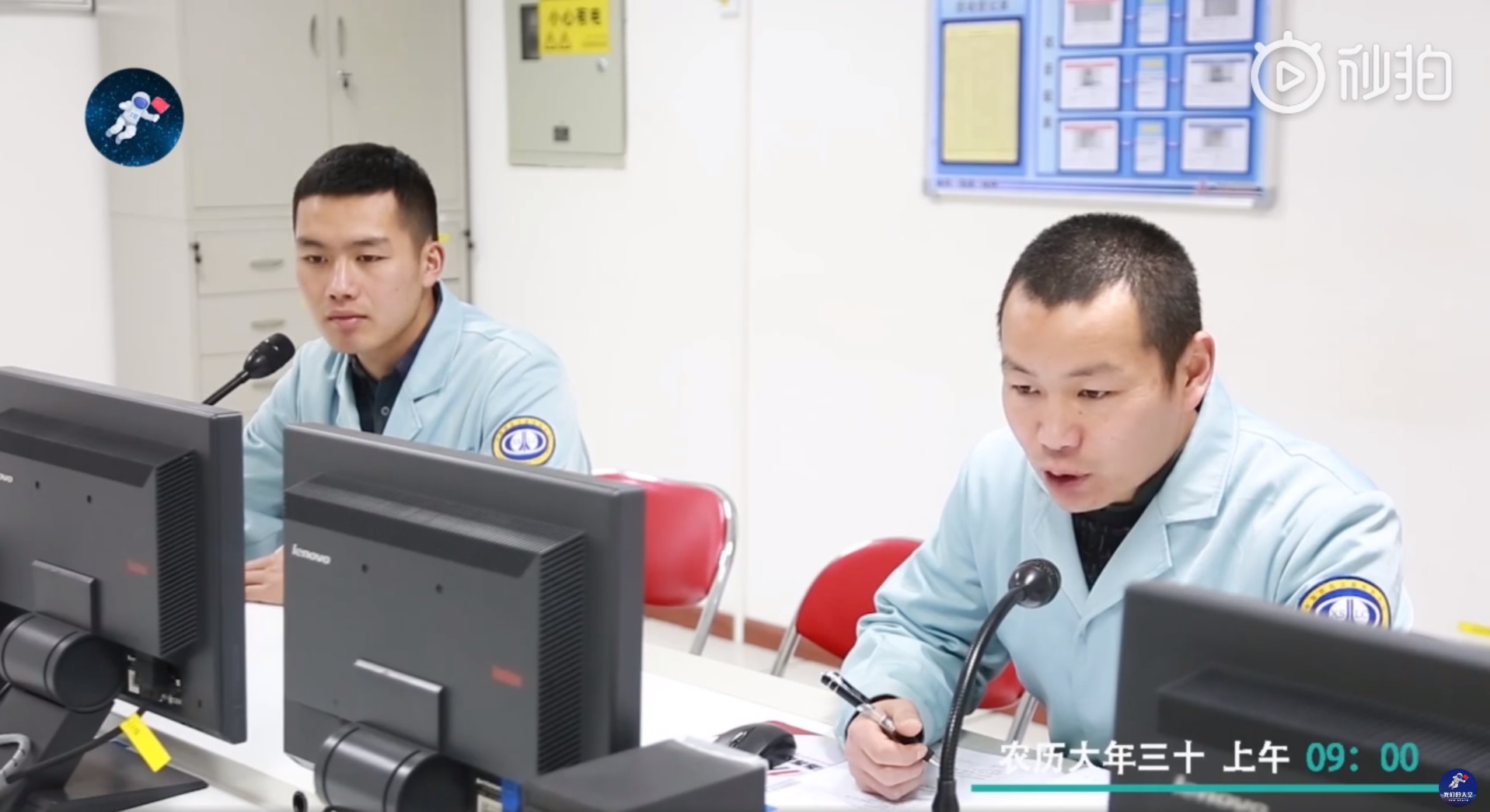
Planck at nine in the morning:
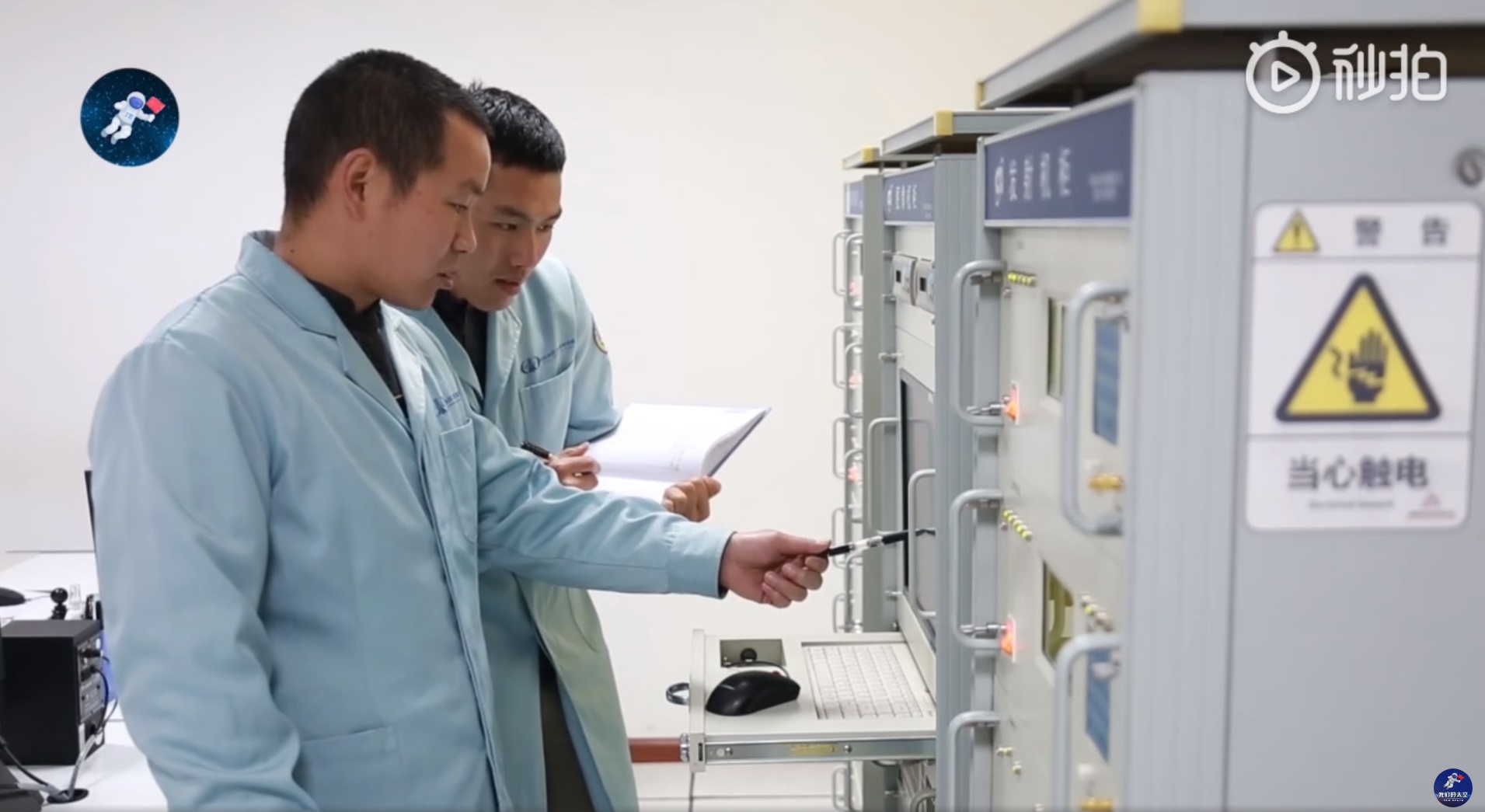
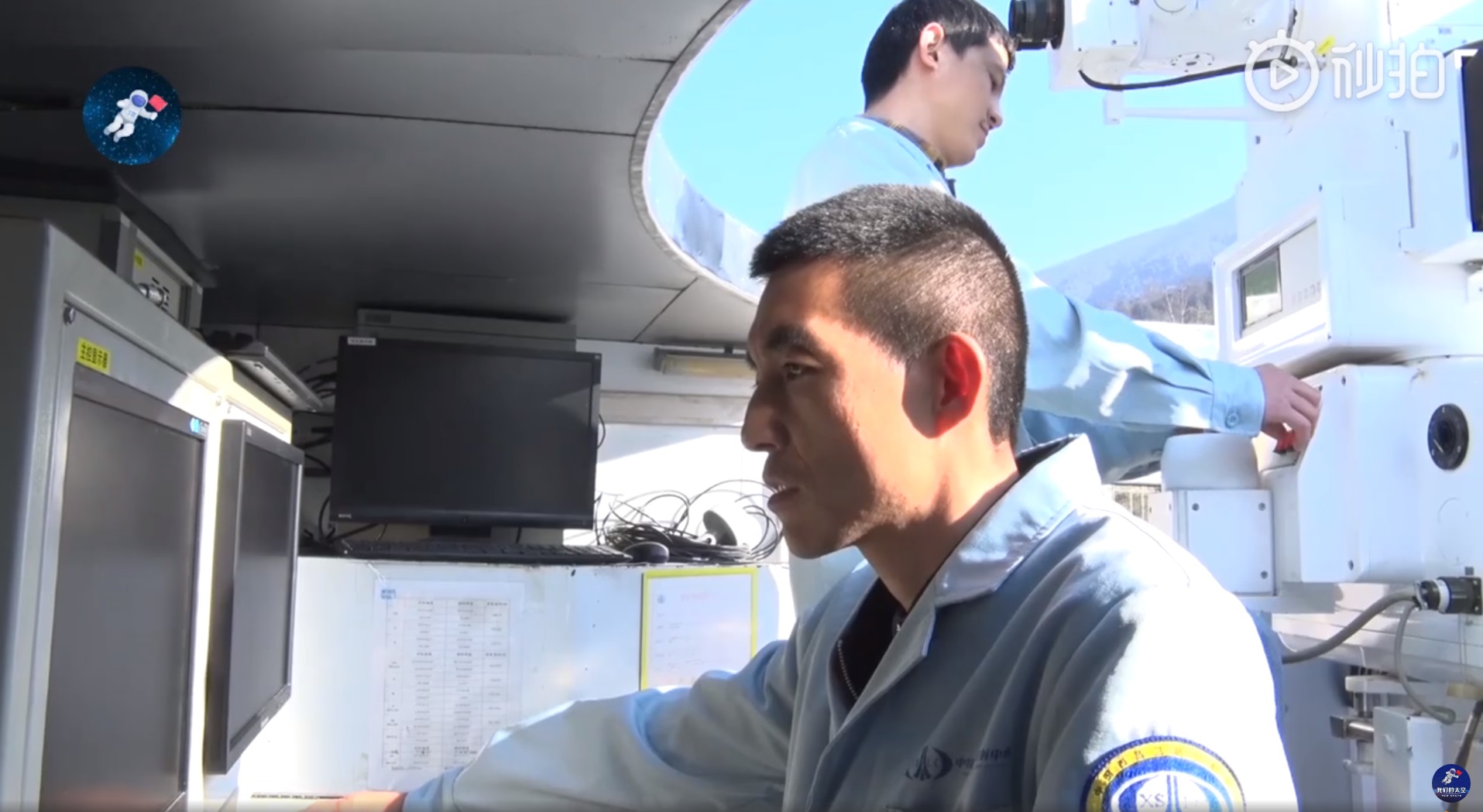
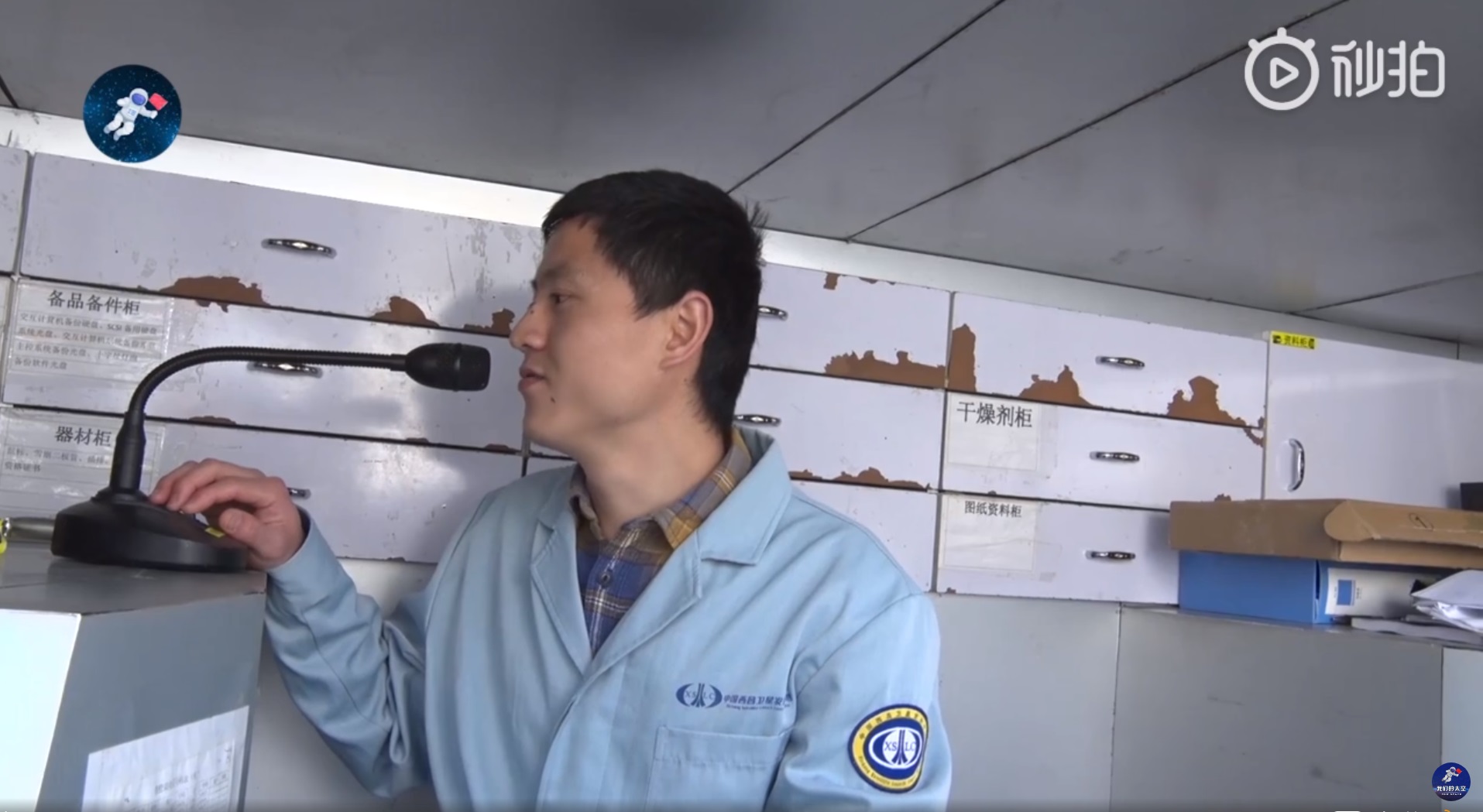
Check the equipment status:
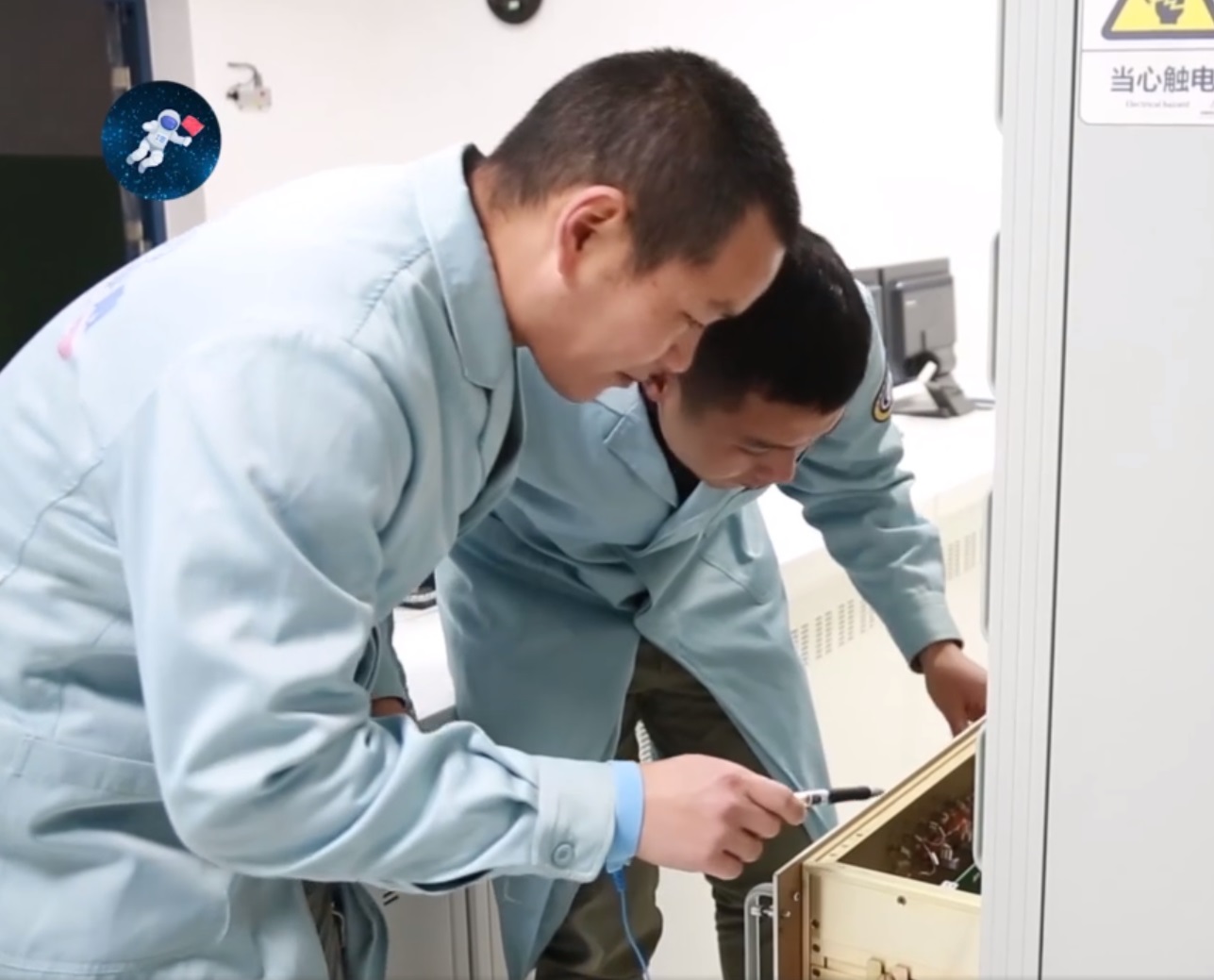
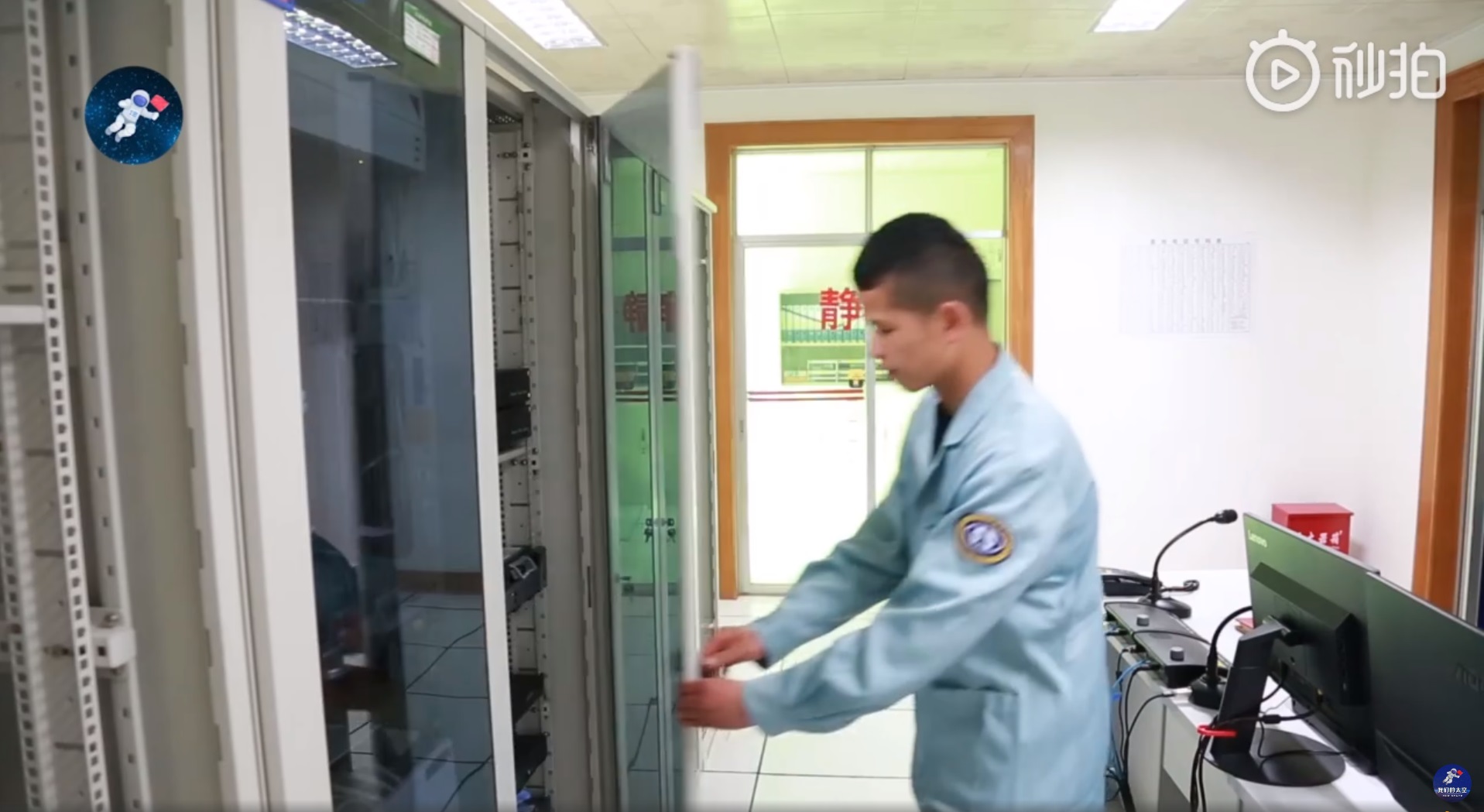
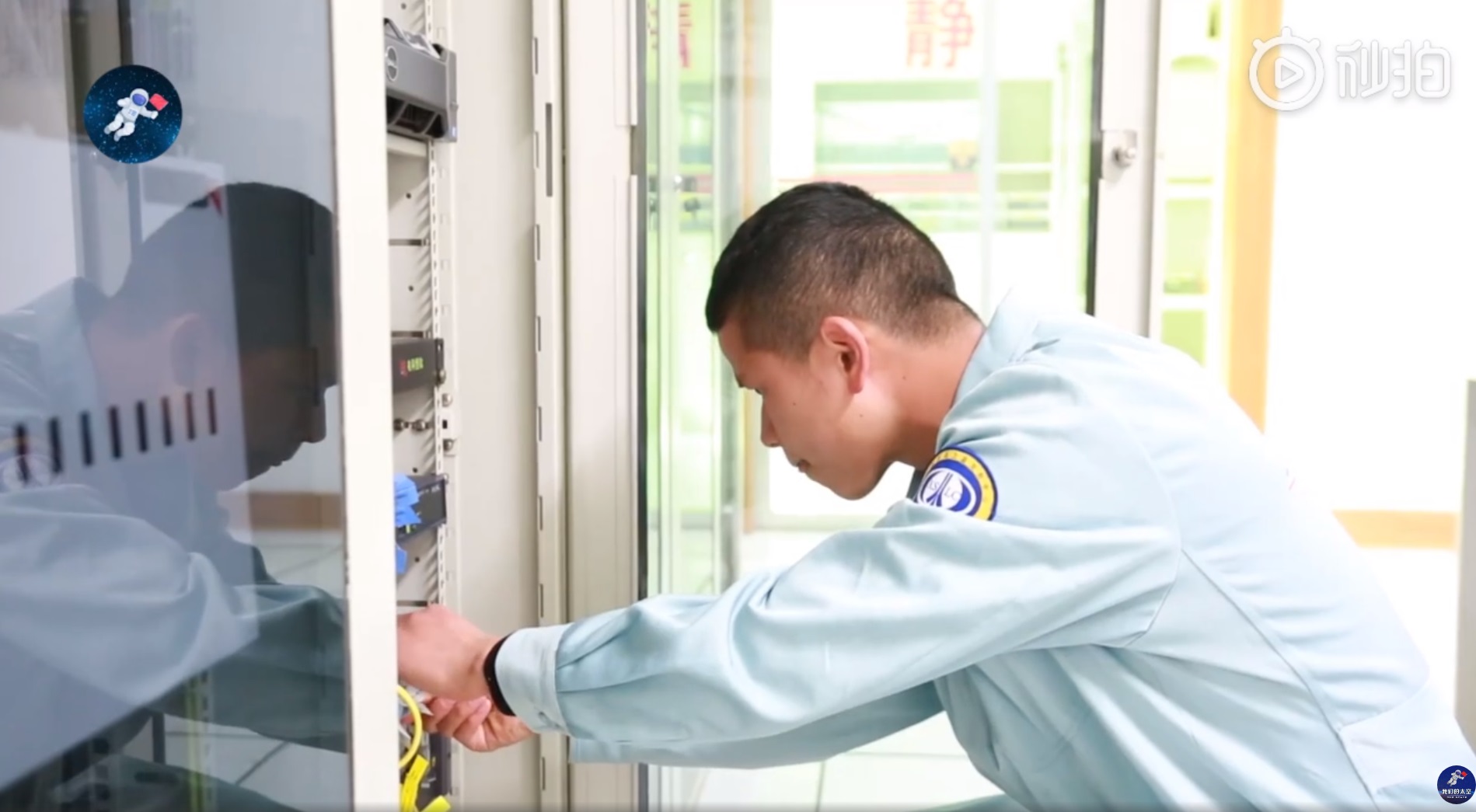
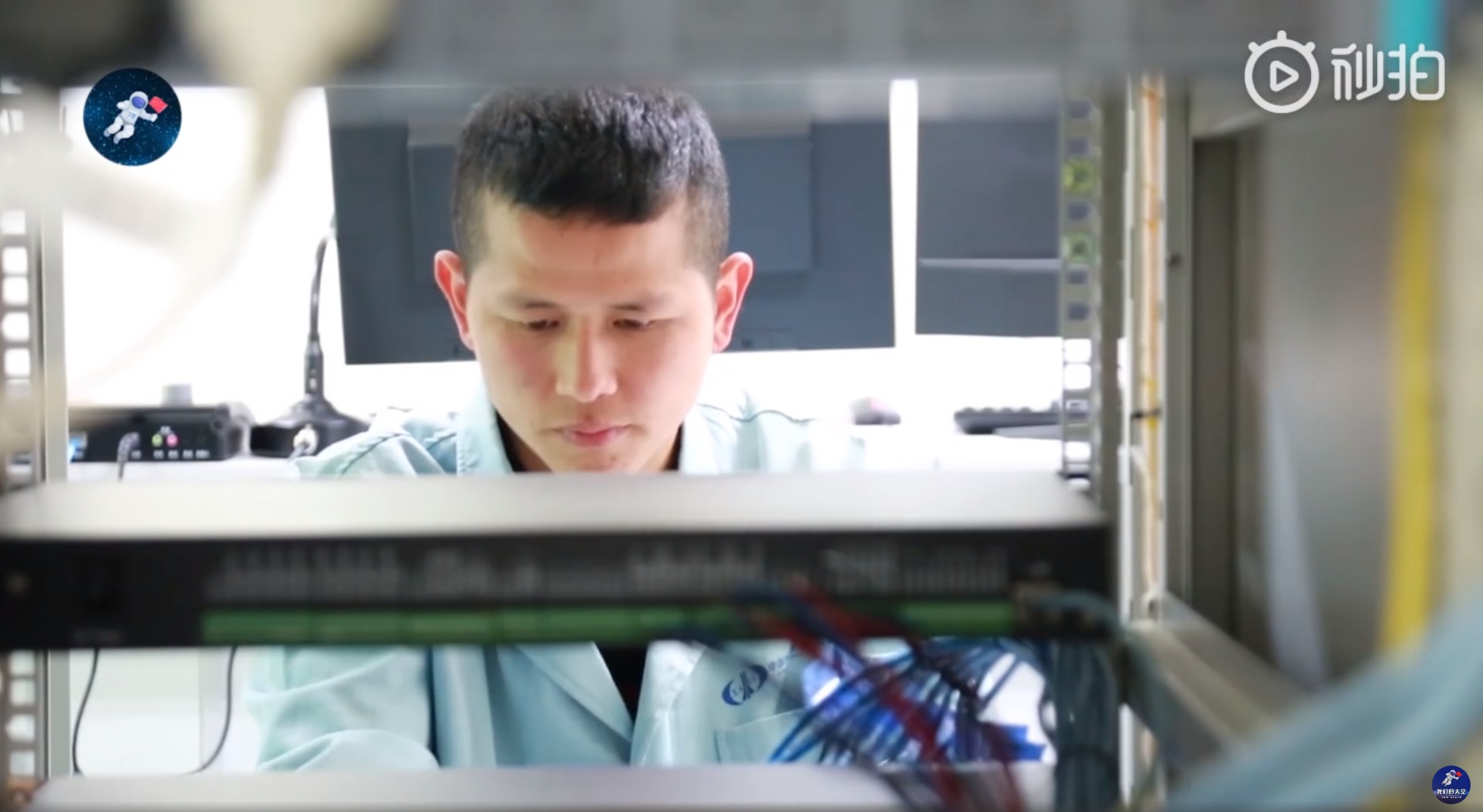
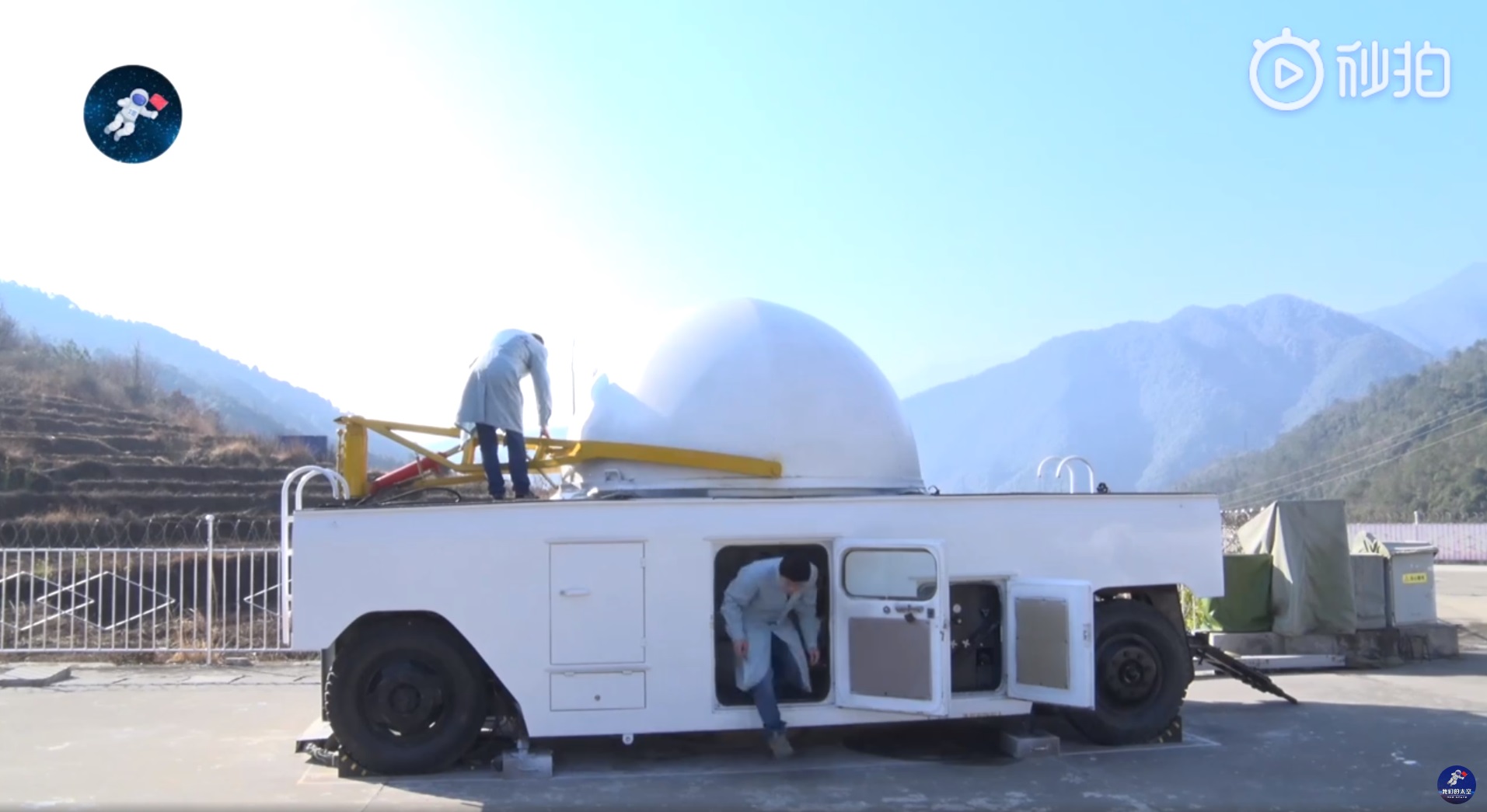
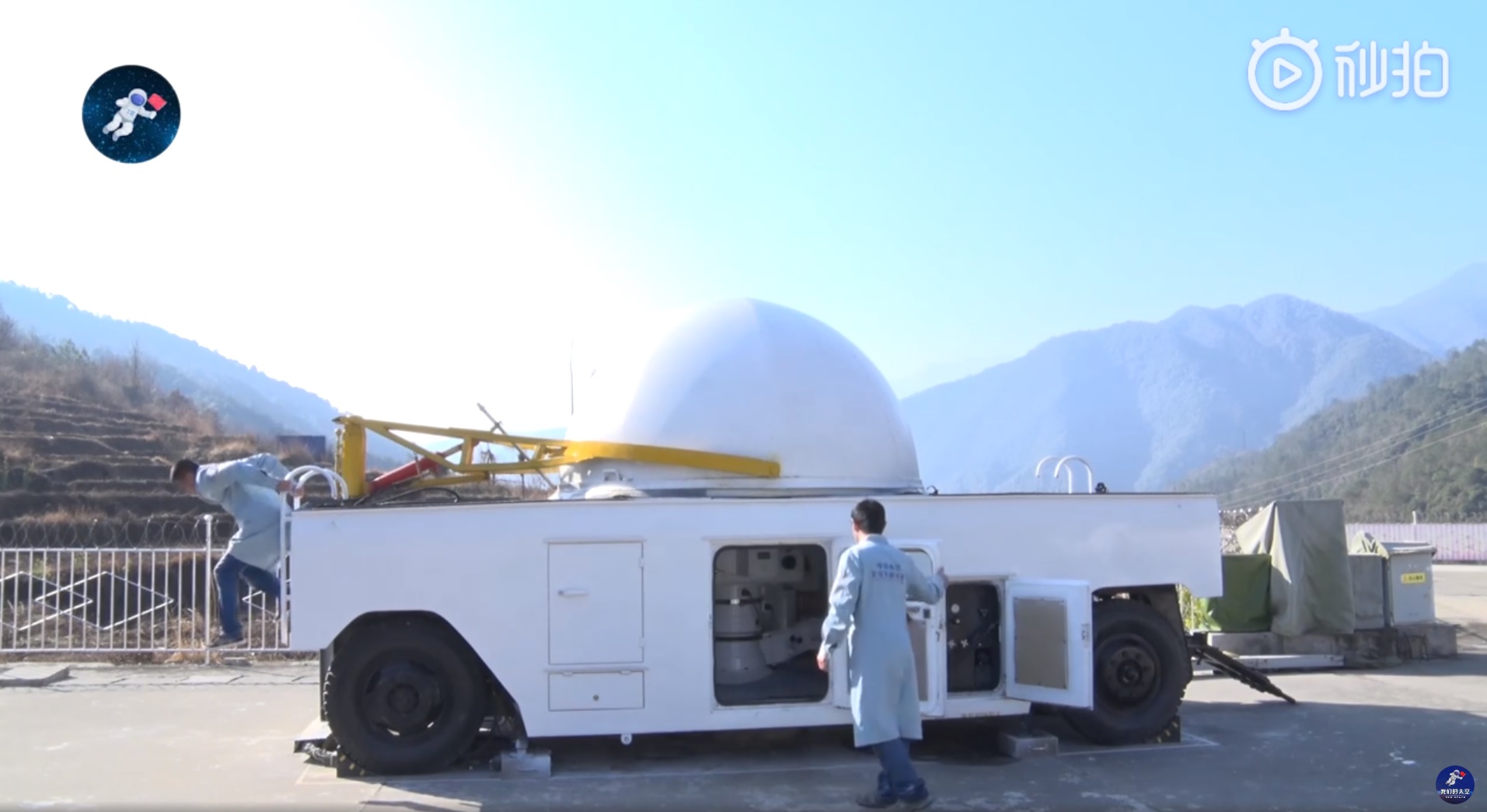
The external mobile node also needs to be checked:
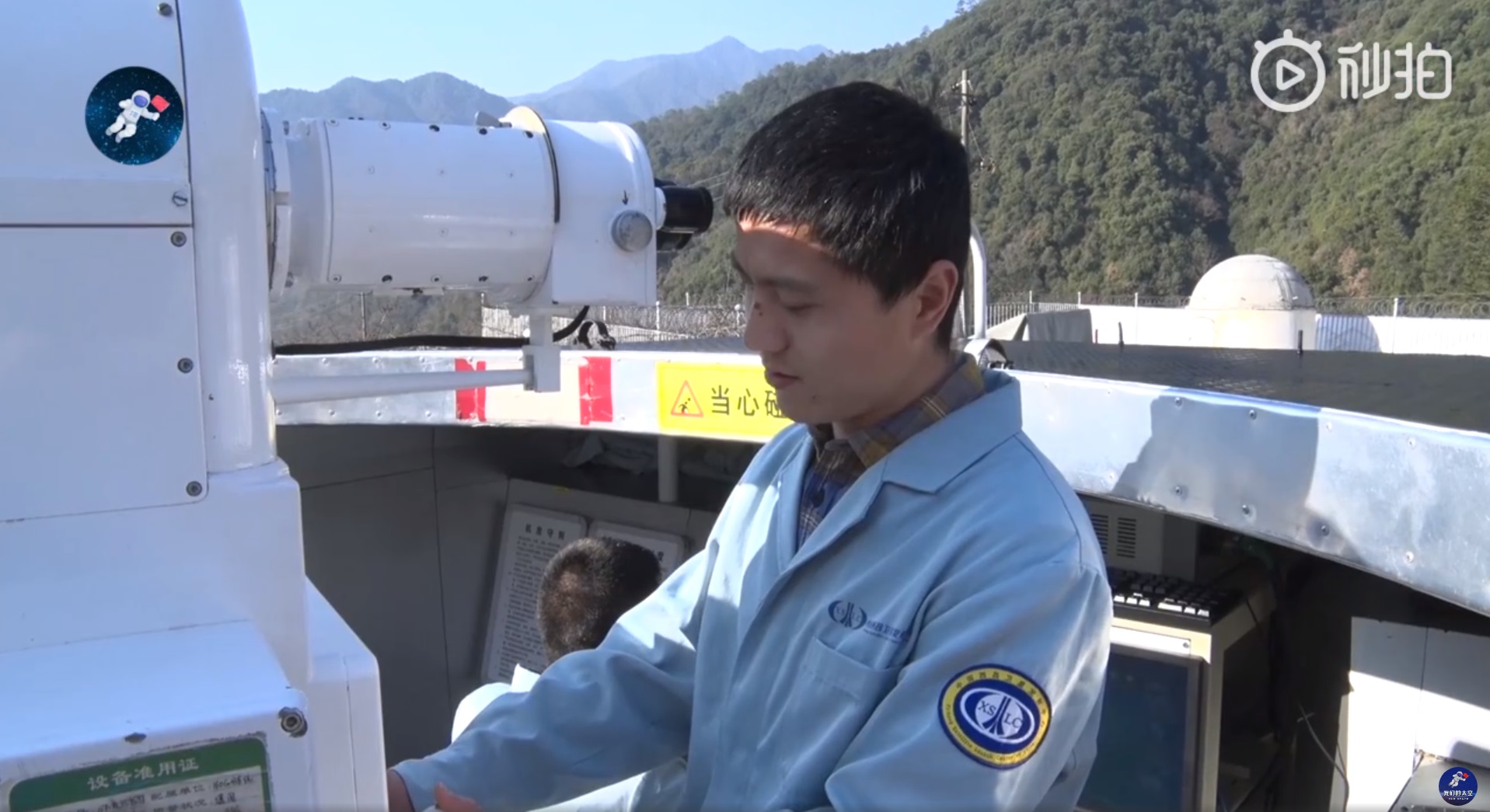
Check completed, close:
And this while the shift workers went to the market in a town near the cosmodrome for groceries, the spring holiday must be met!
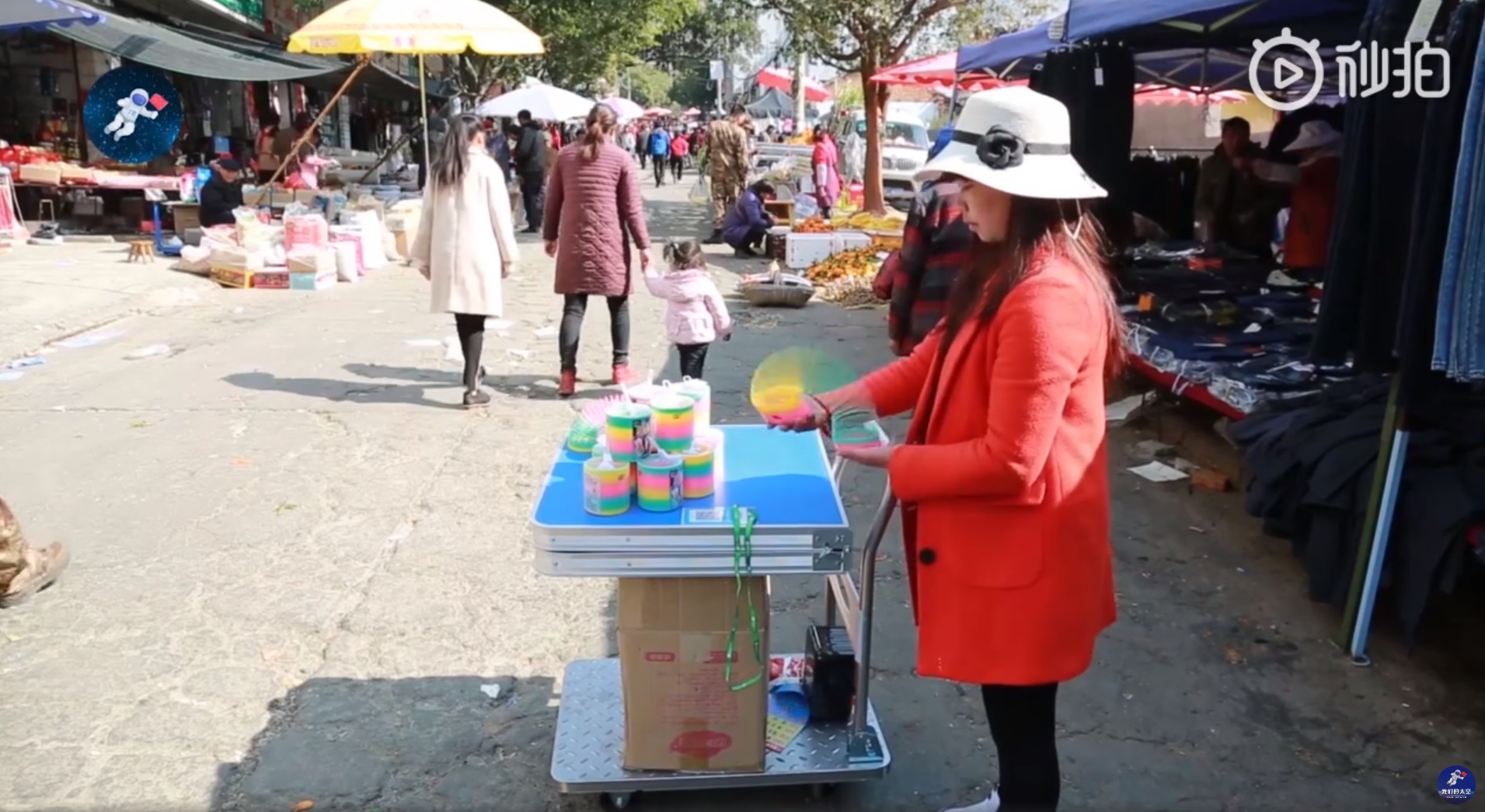

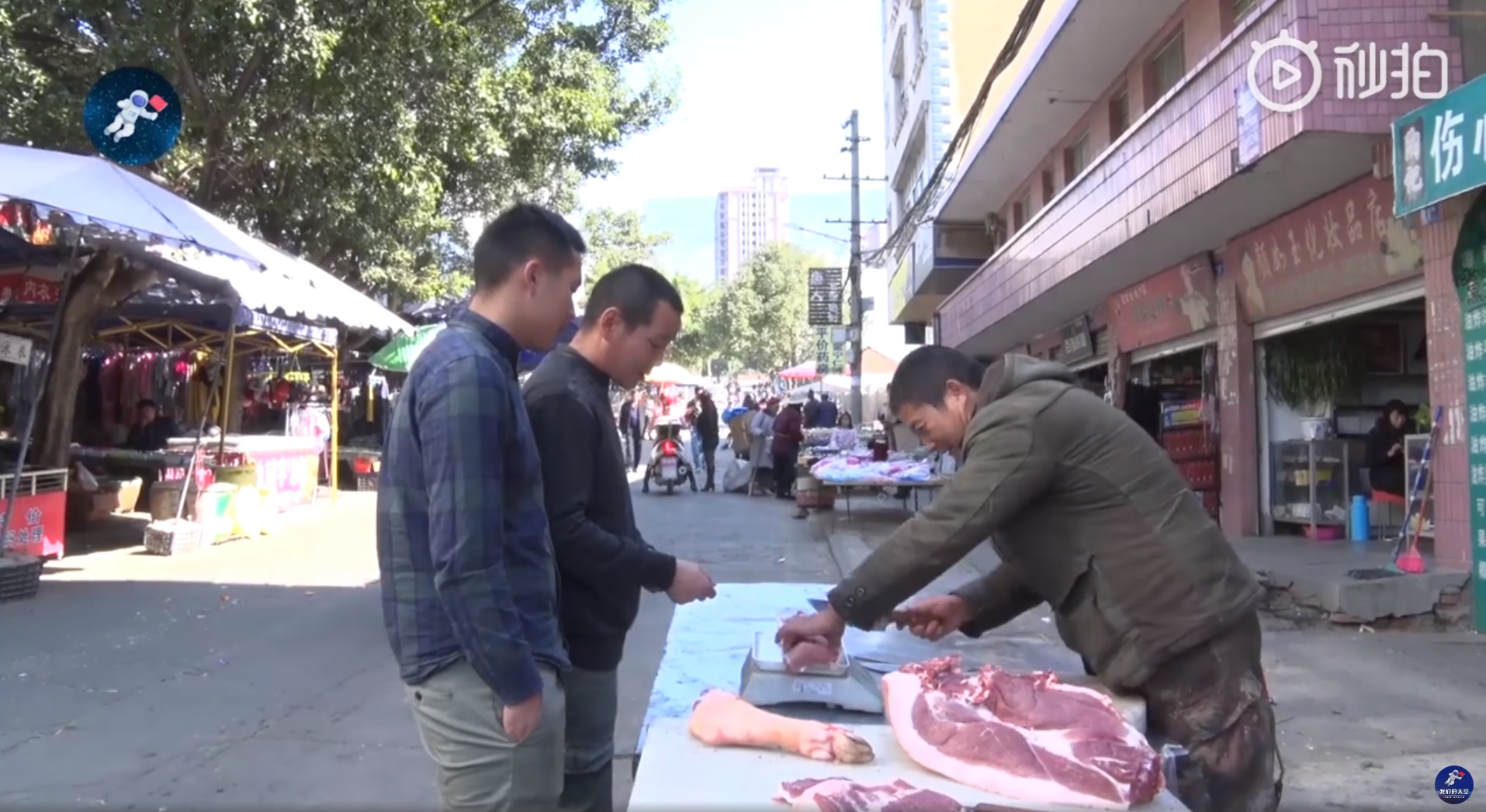

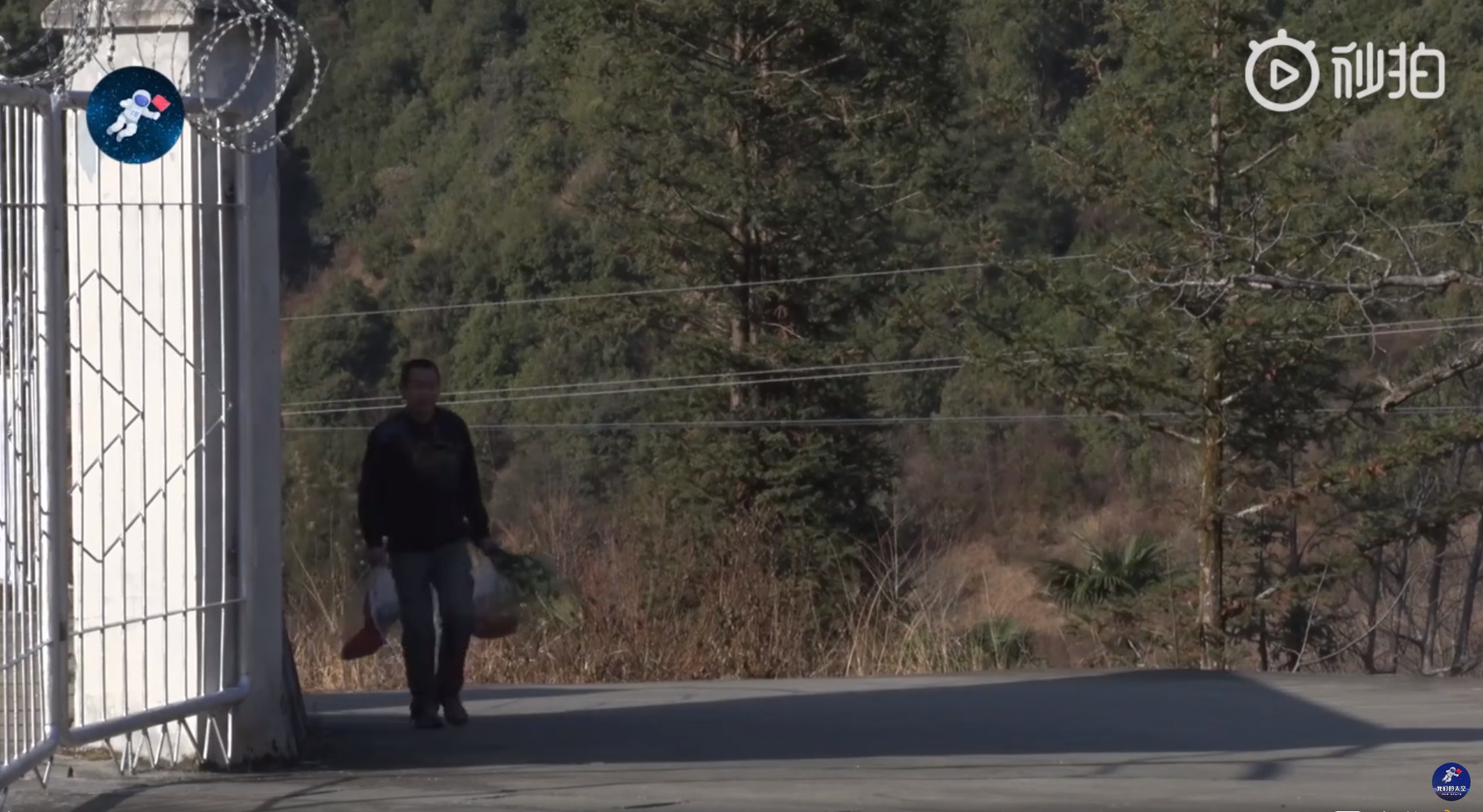
Returning to the post:
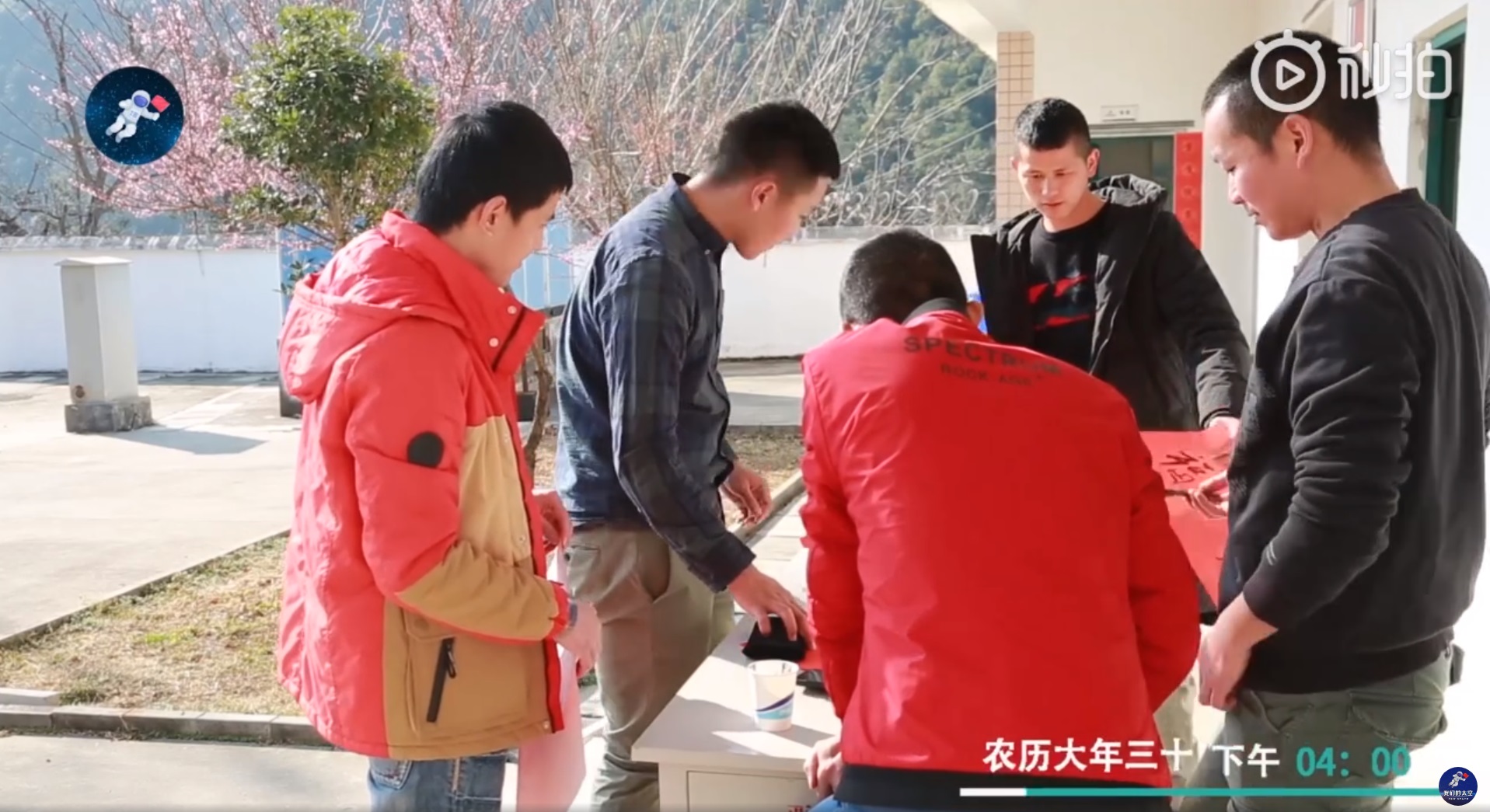
Mandatory tradition - preparing decorations and posters manually:
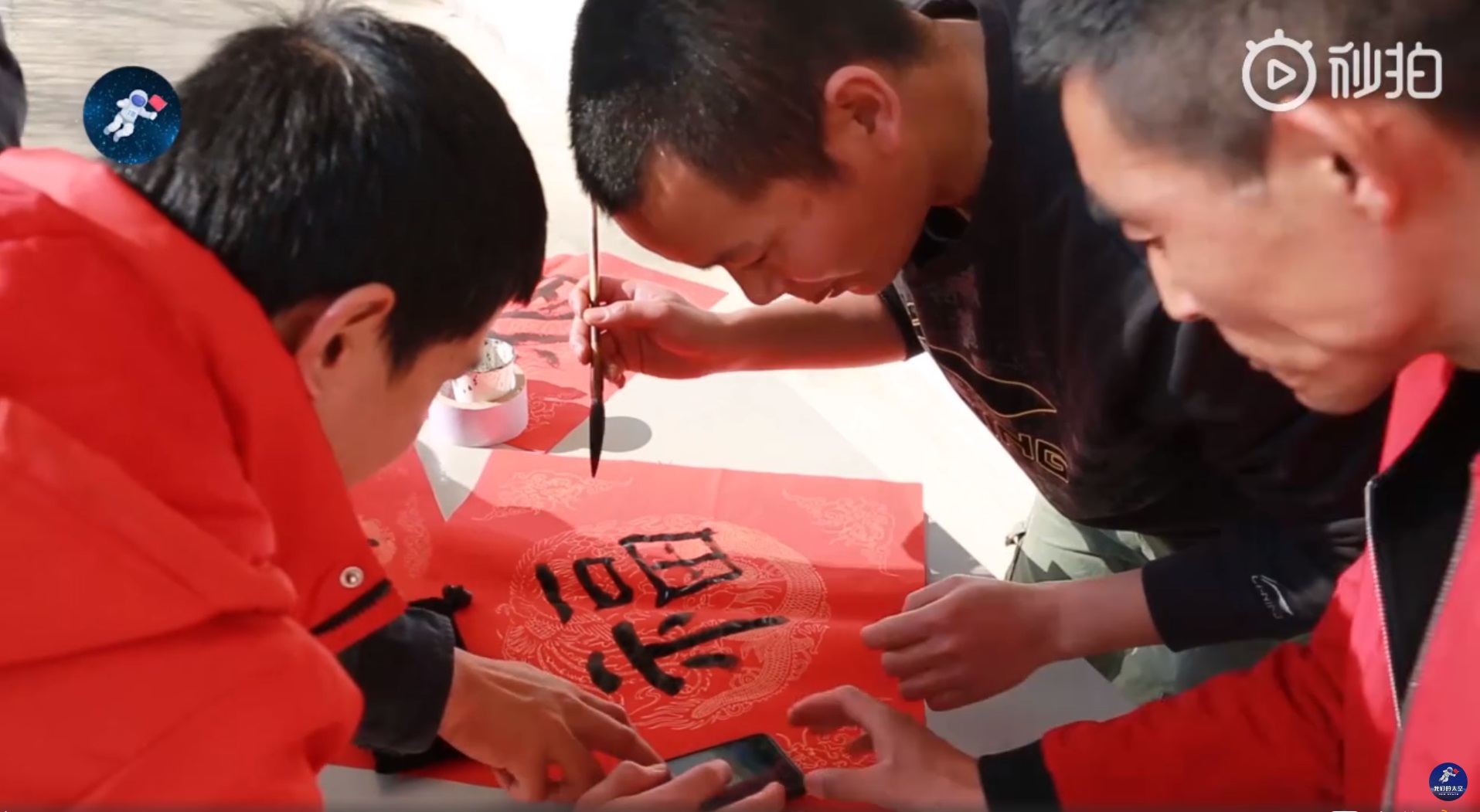
Hanging posters at the entrance area:
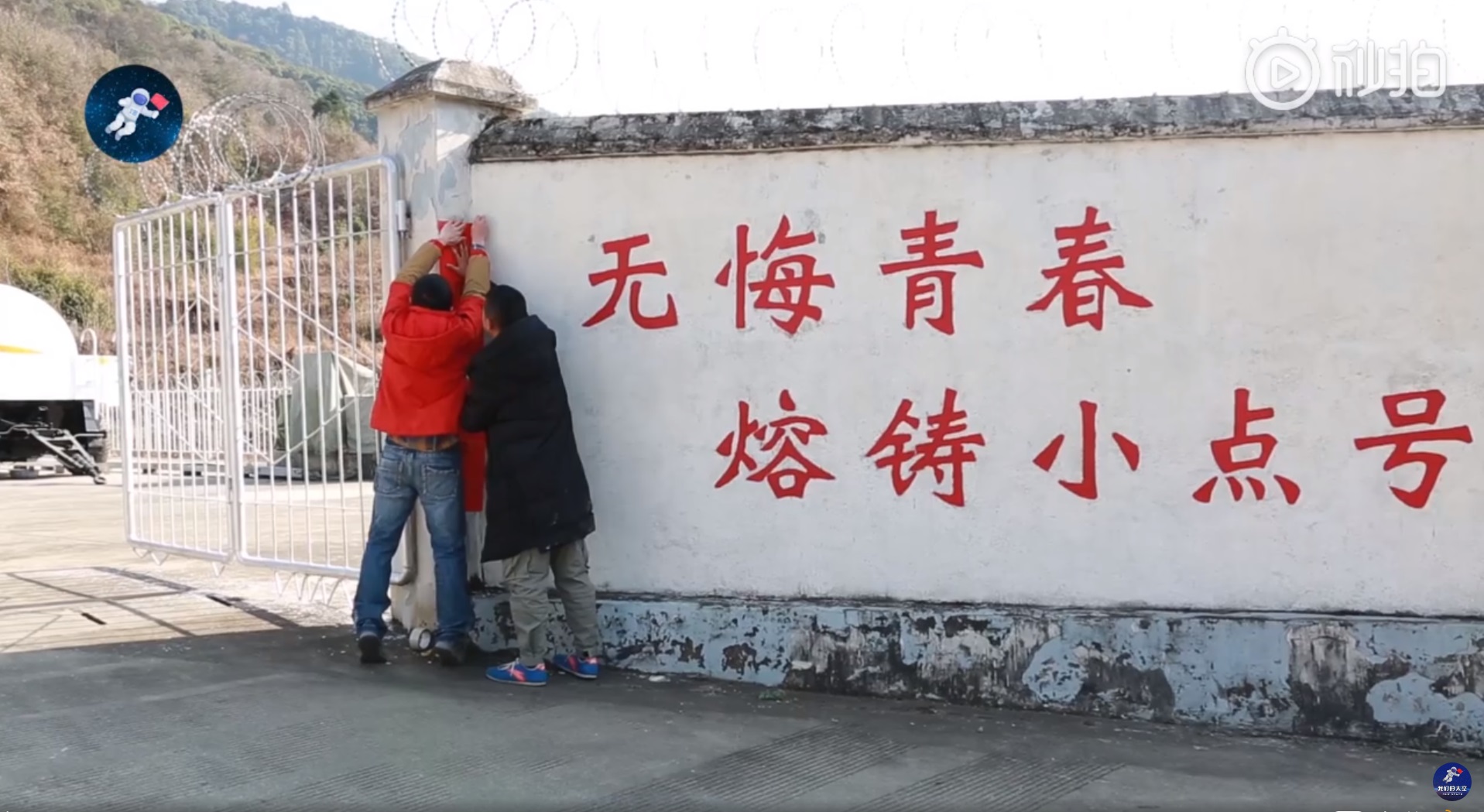
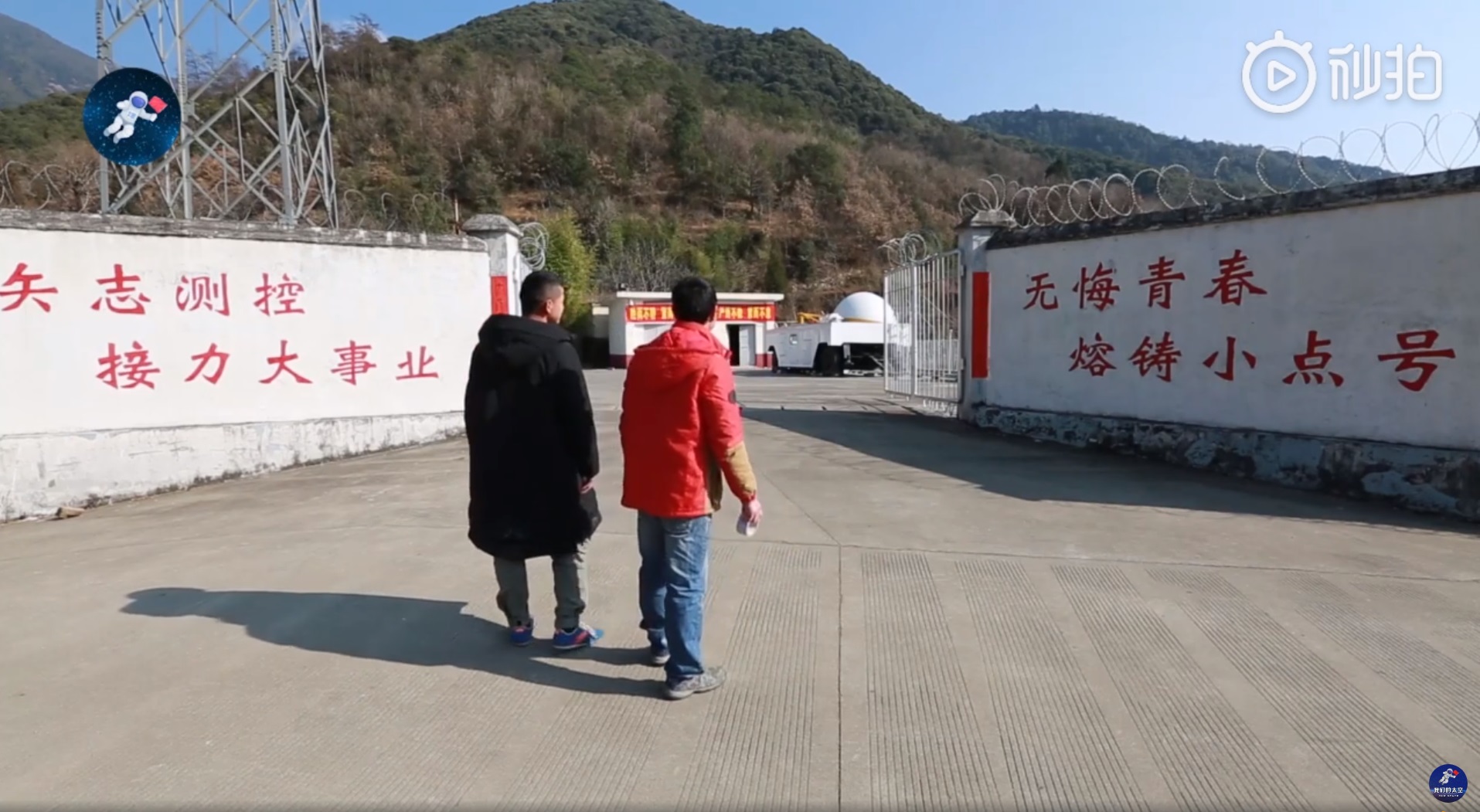
Something like this:
And now the time for cooking and sculpting: The
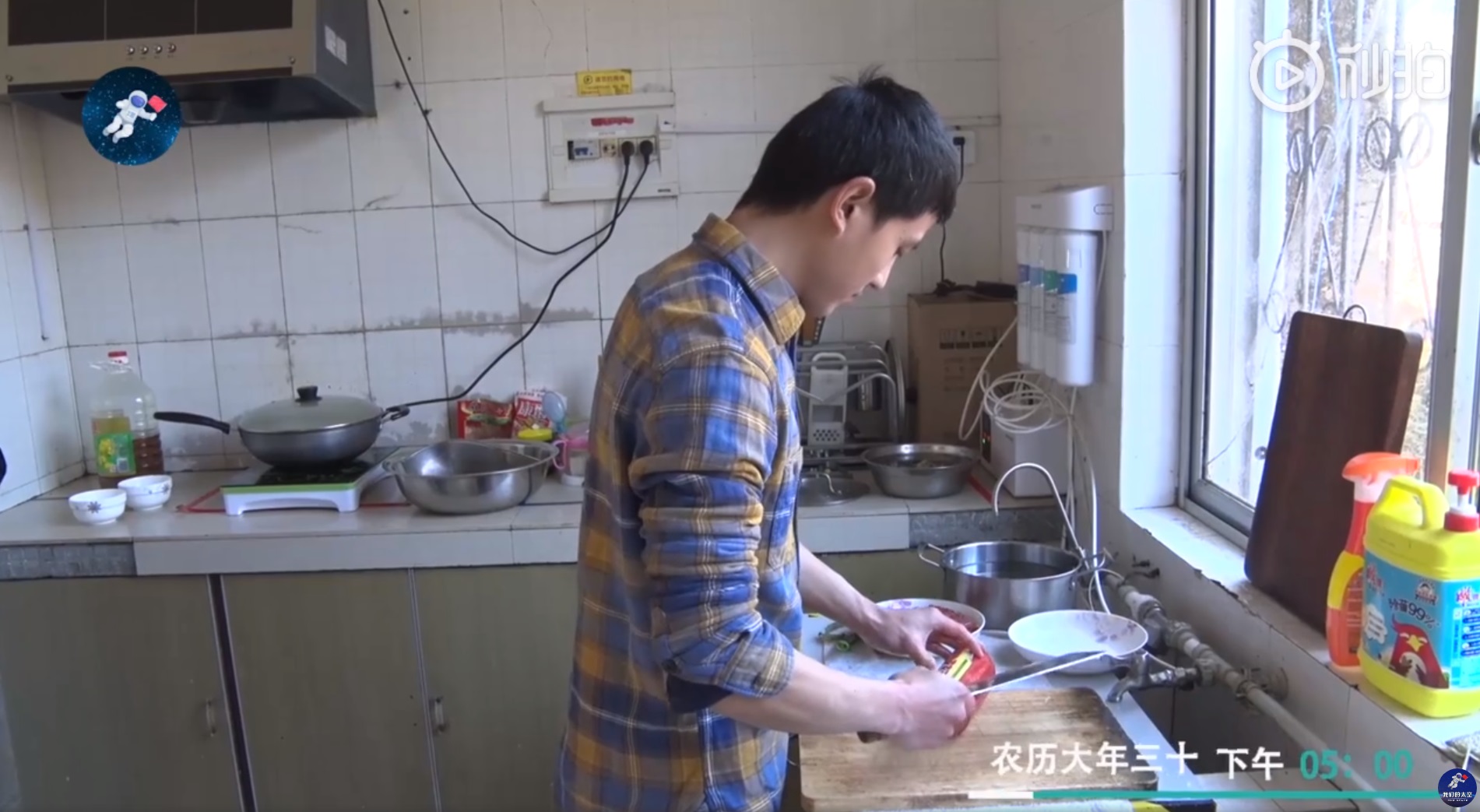

table is ready, waiting for the comrades to

arrive : No alcohol, nothing at all:

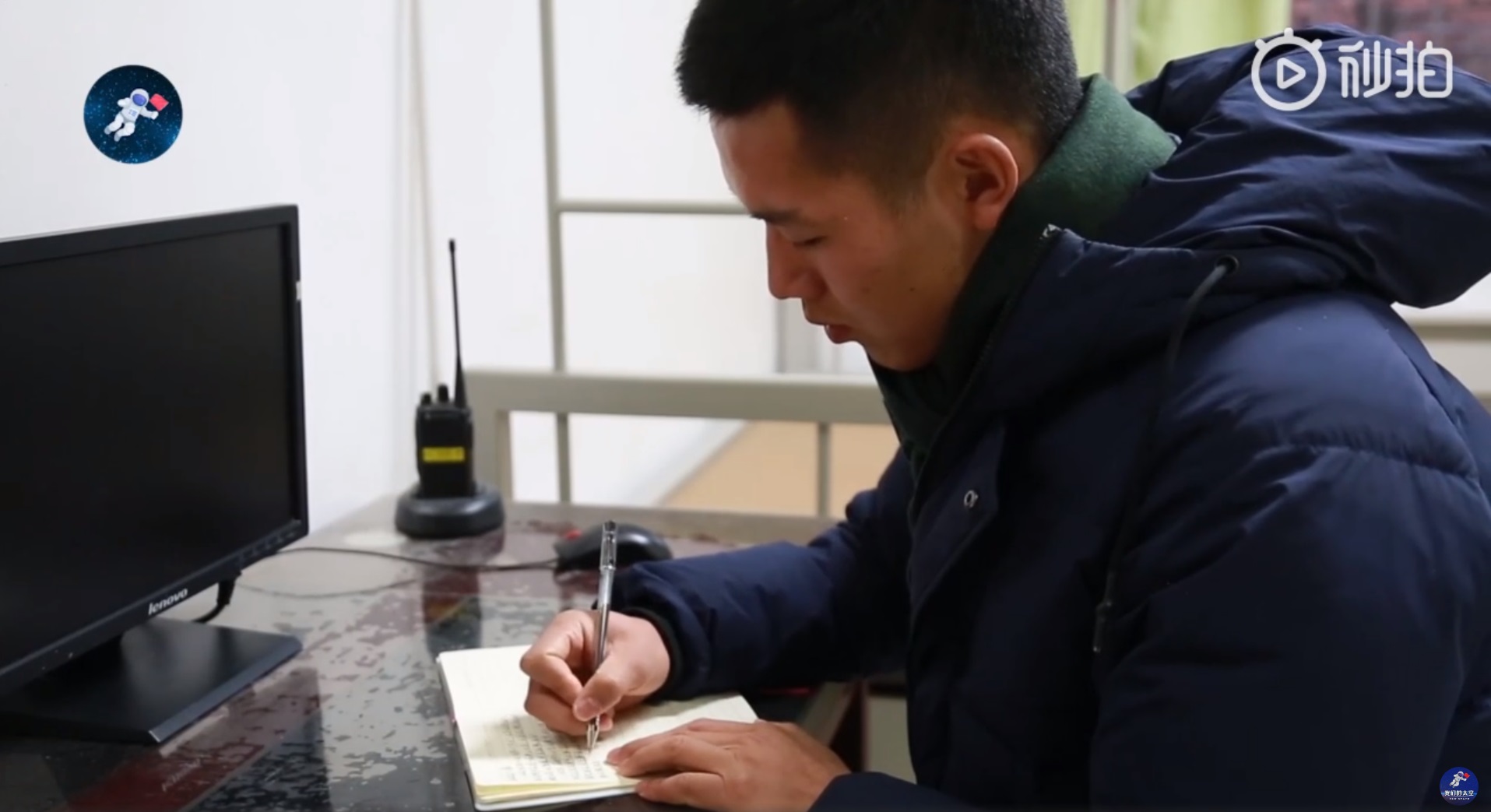
In the evening, you can write a letter to your relatives:
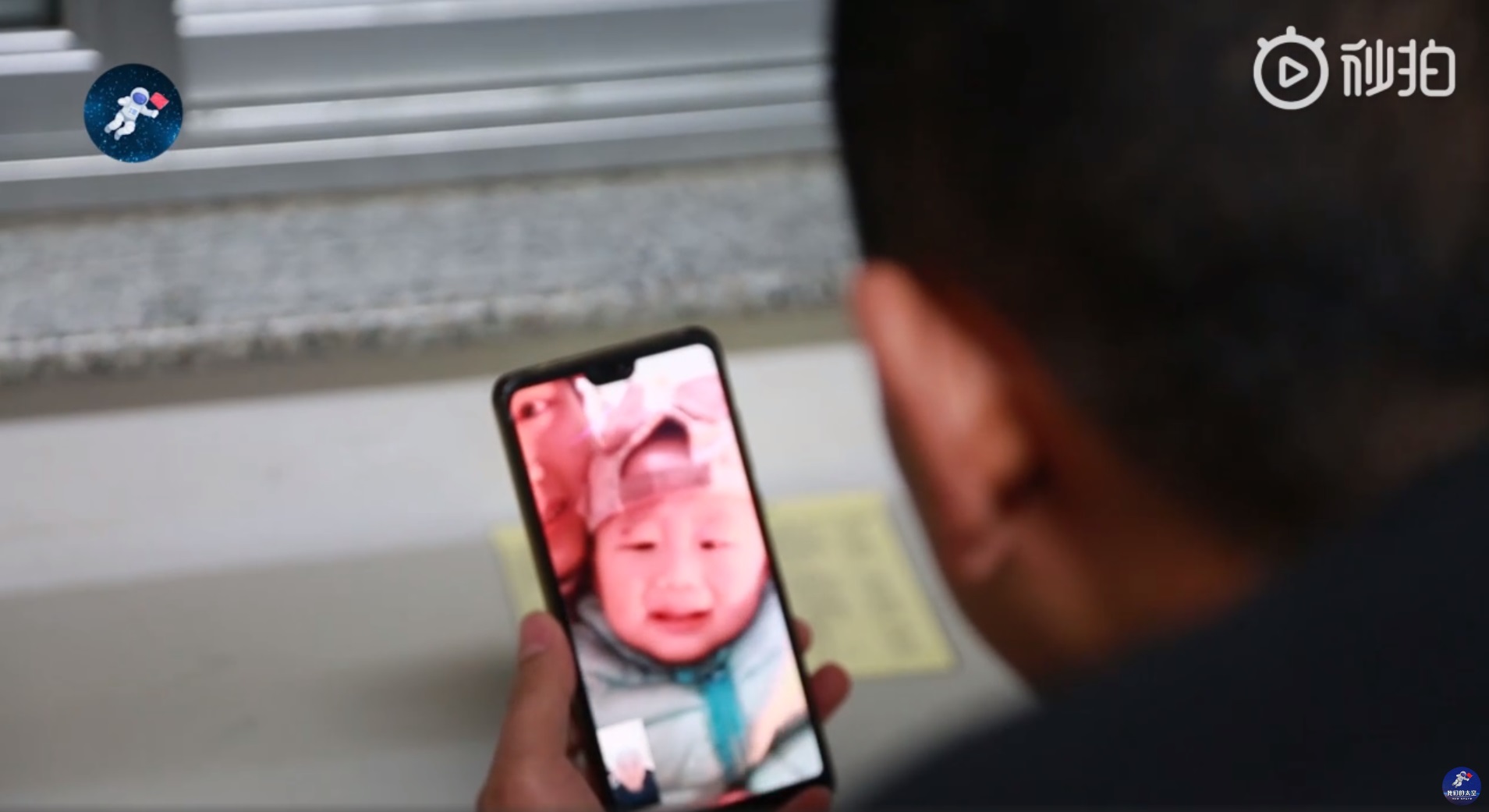
And talk with your closest ones:
Perform some guitar songs for friends:

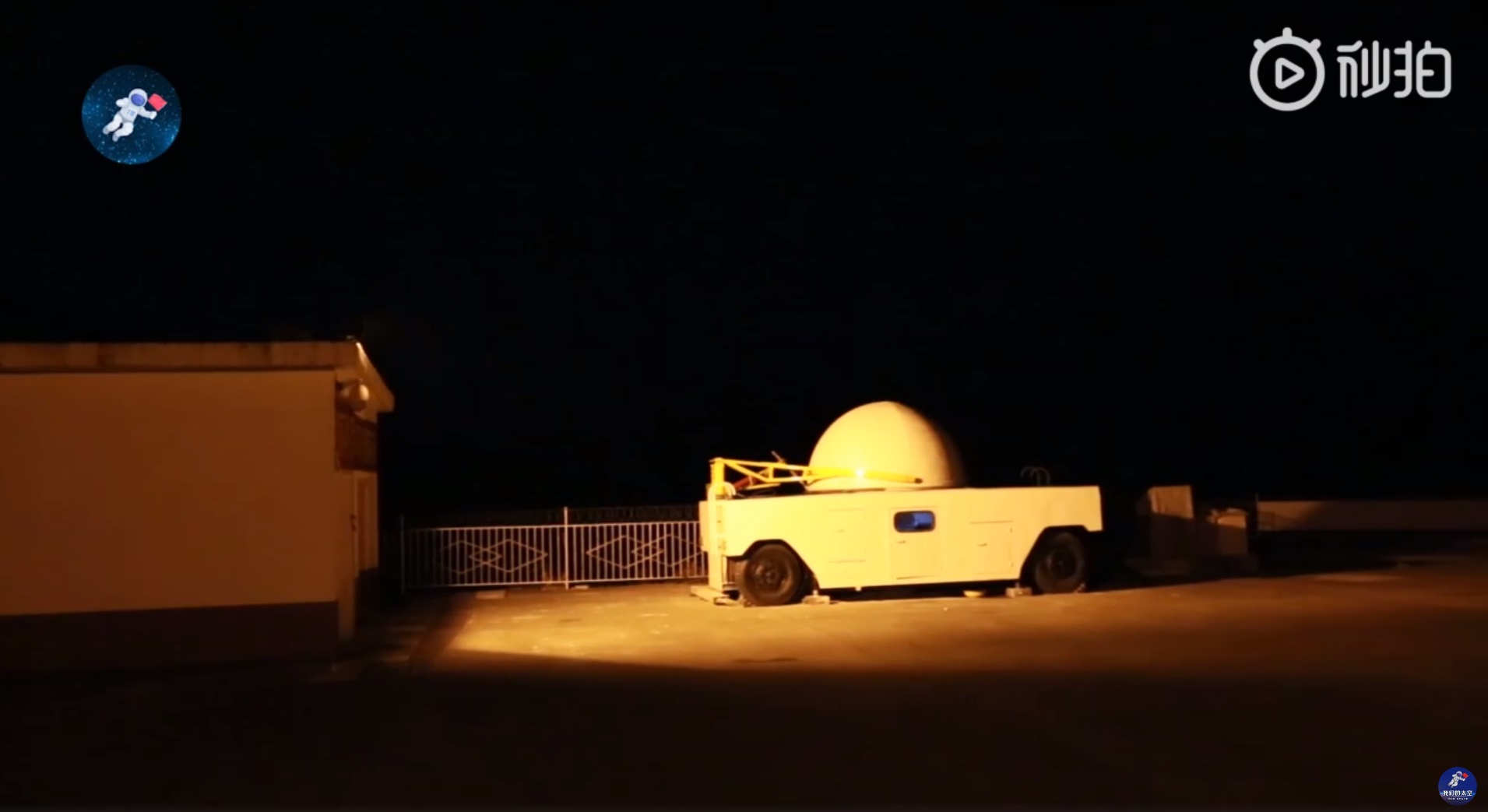
Check the perimeter and switch to night watch:
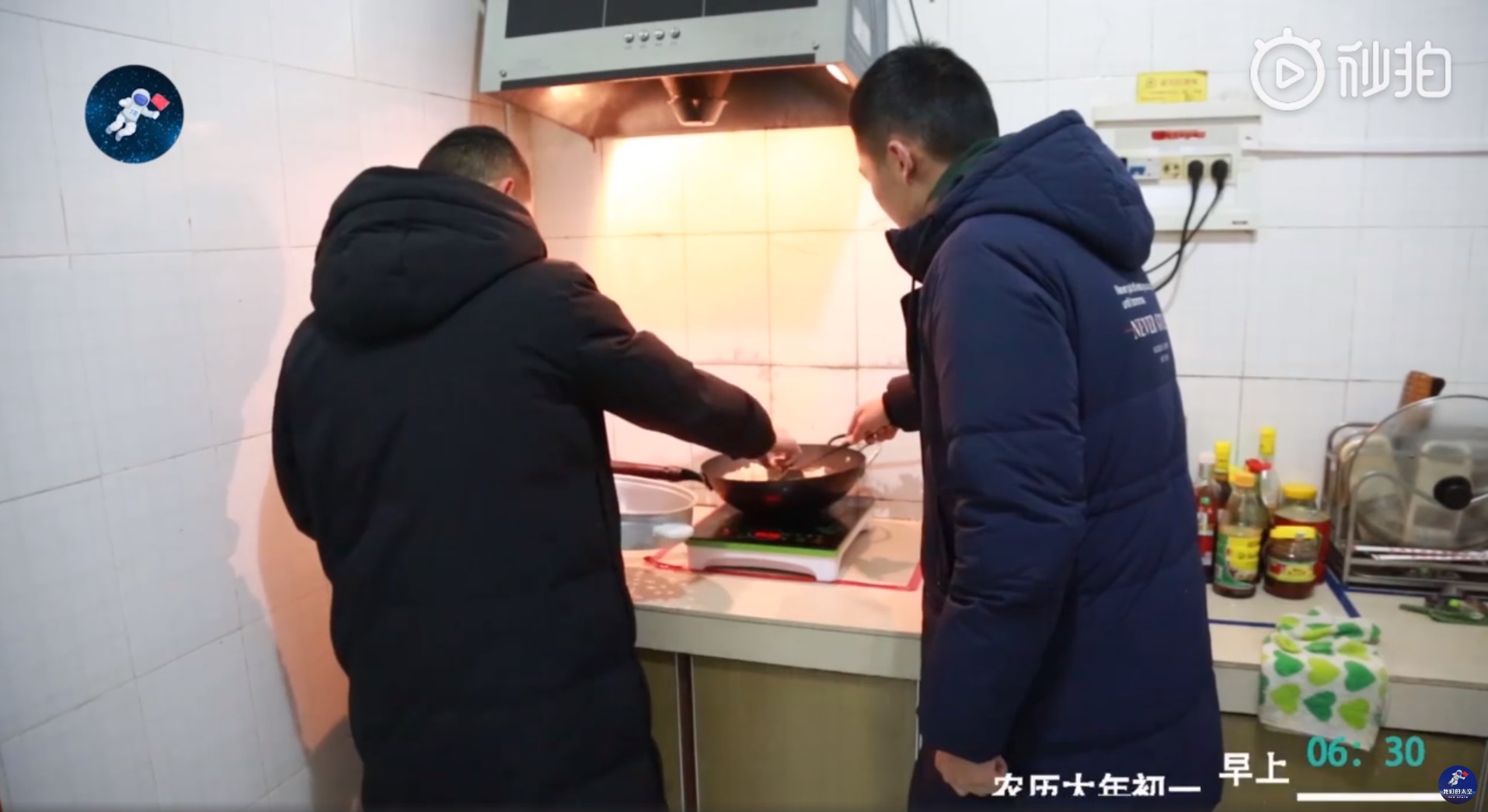
Morning climb and breakfast with friends:

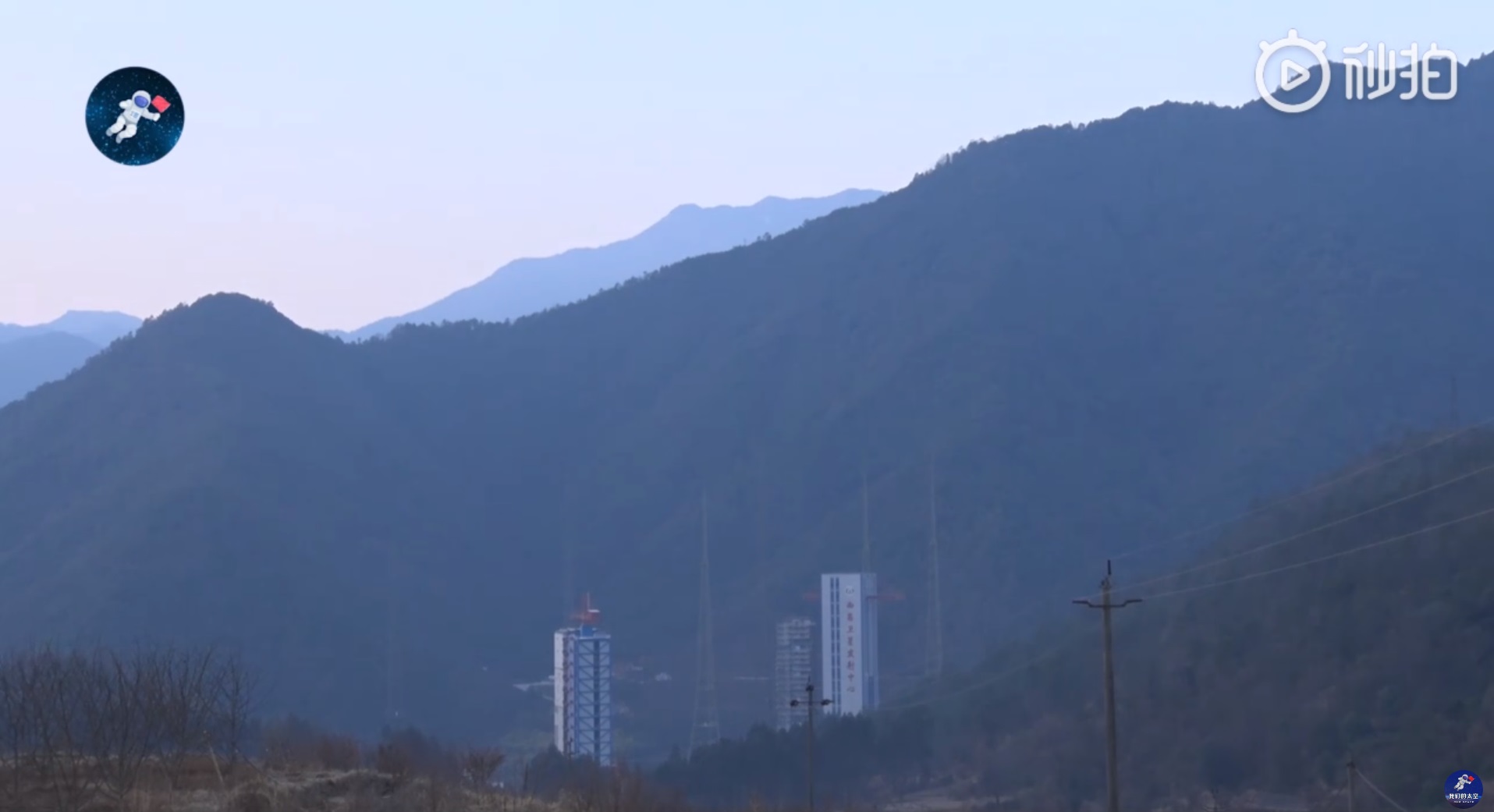
Cosmodrome at a glance:
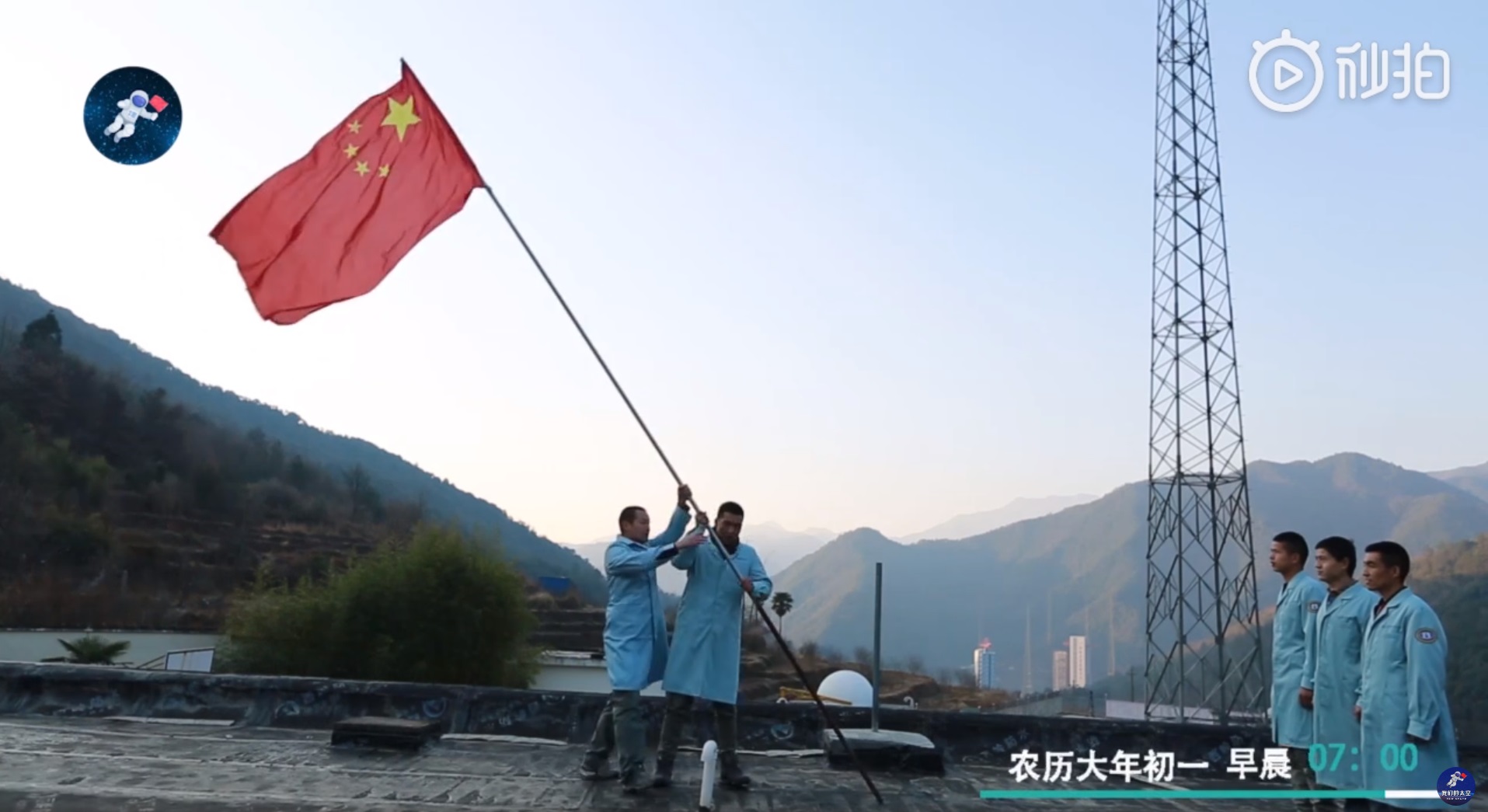
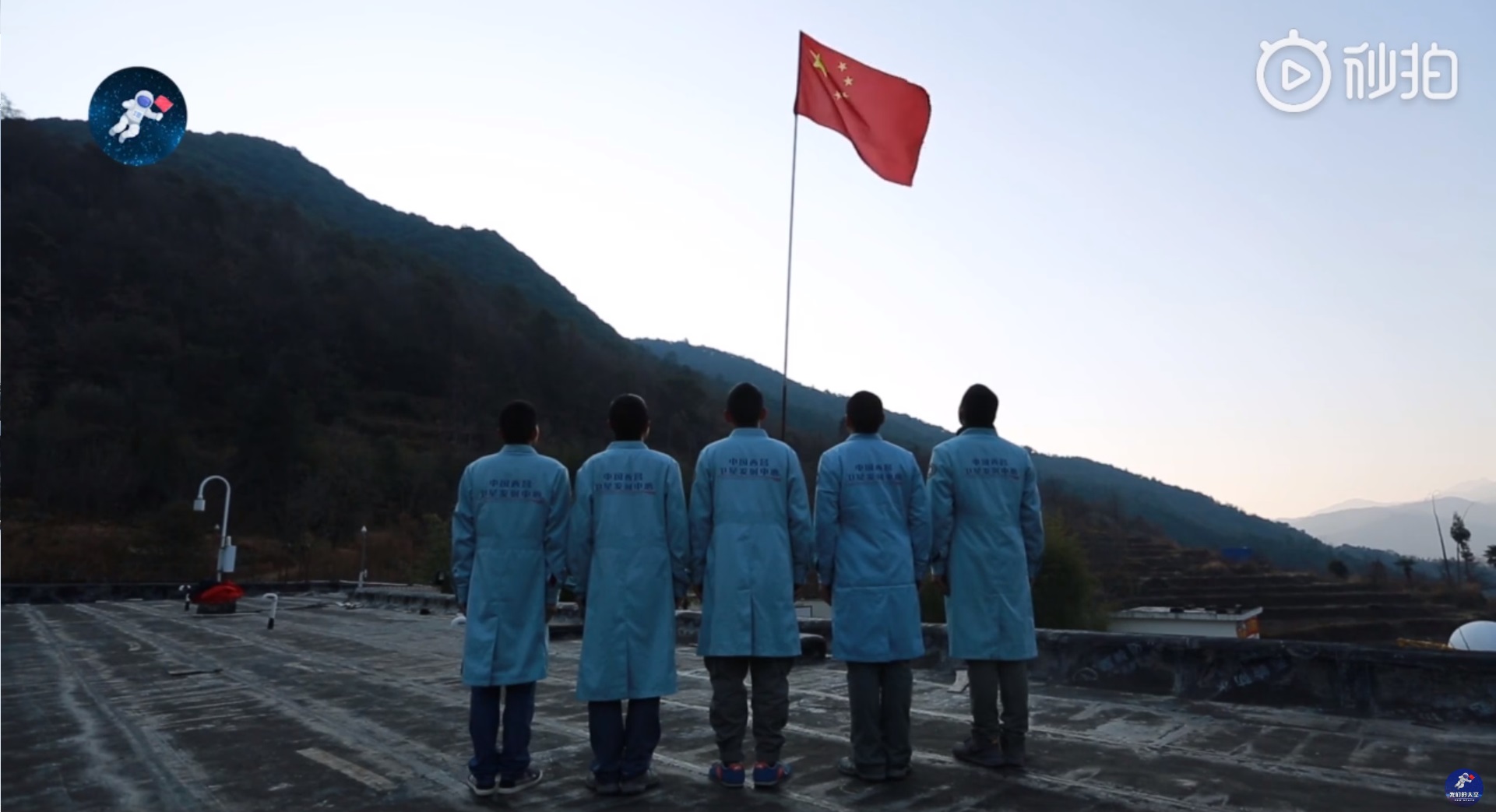
Flag and anthem: A
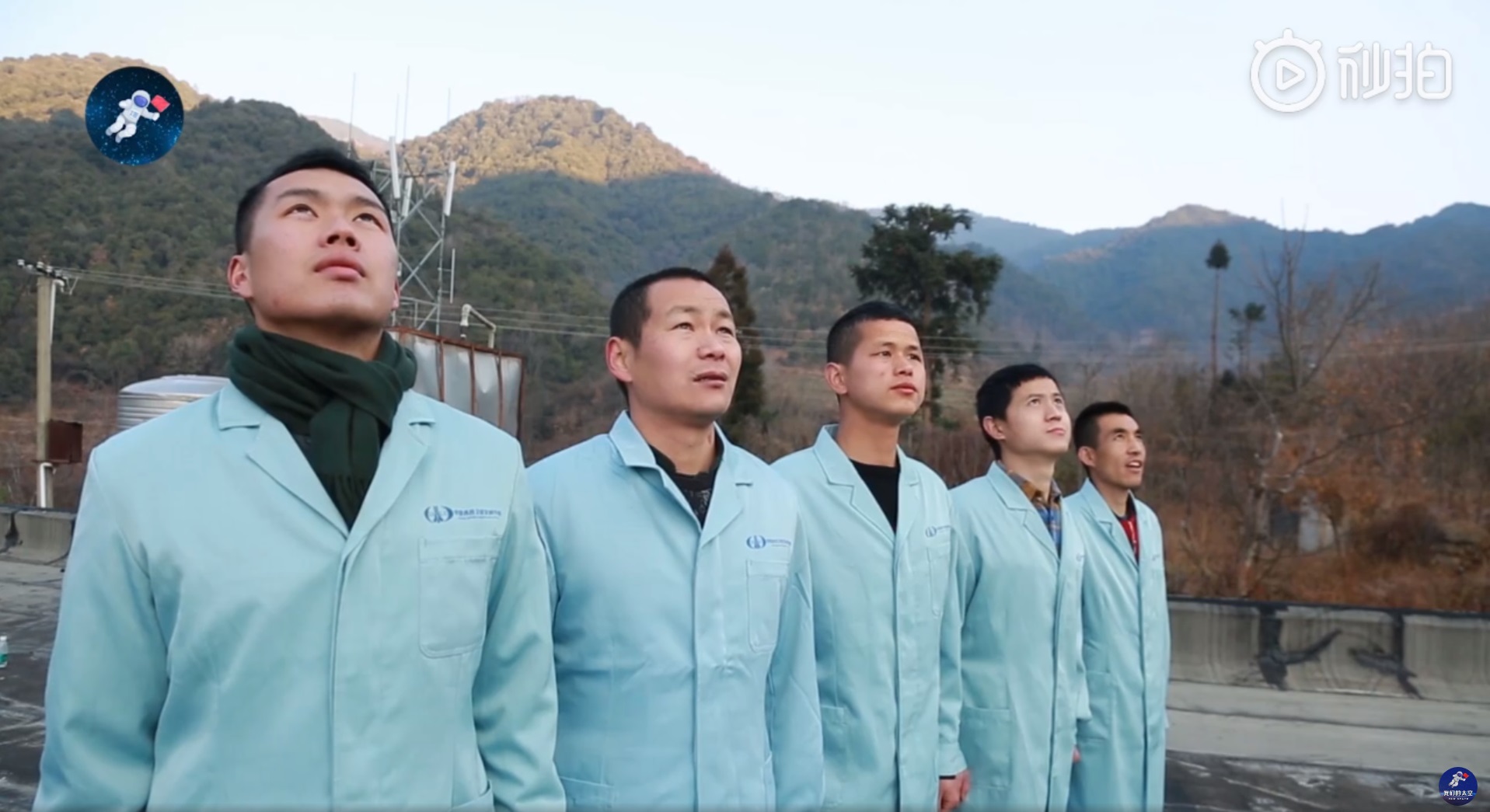


new working day awaits them:
Meanwhile, at the cosmodrome itself, the holiday is in full swing:
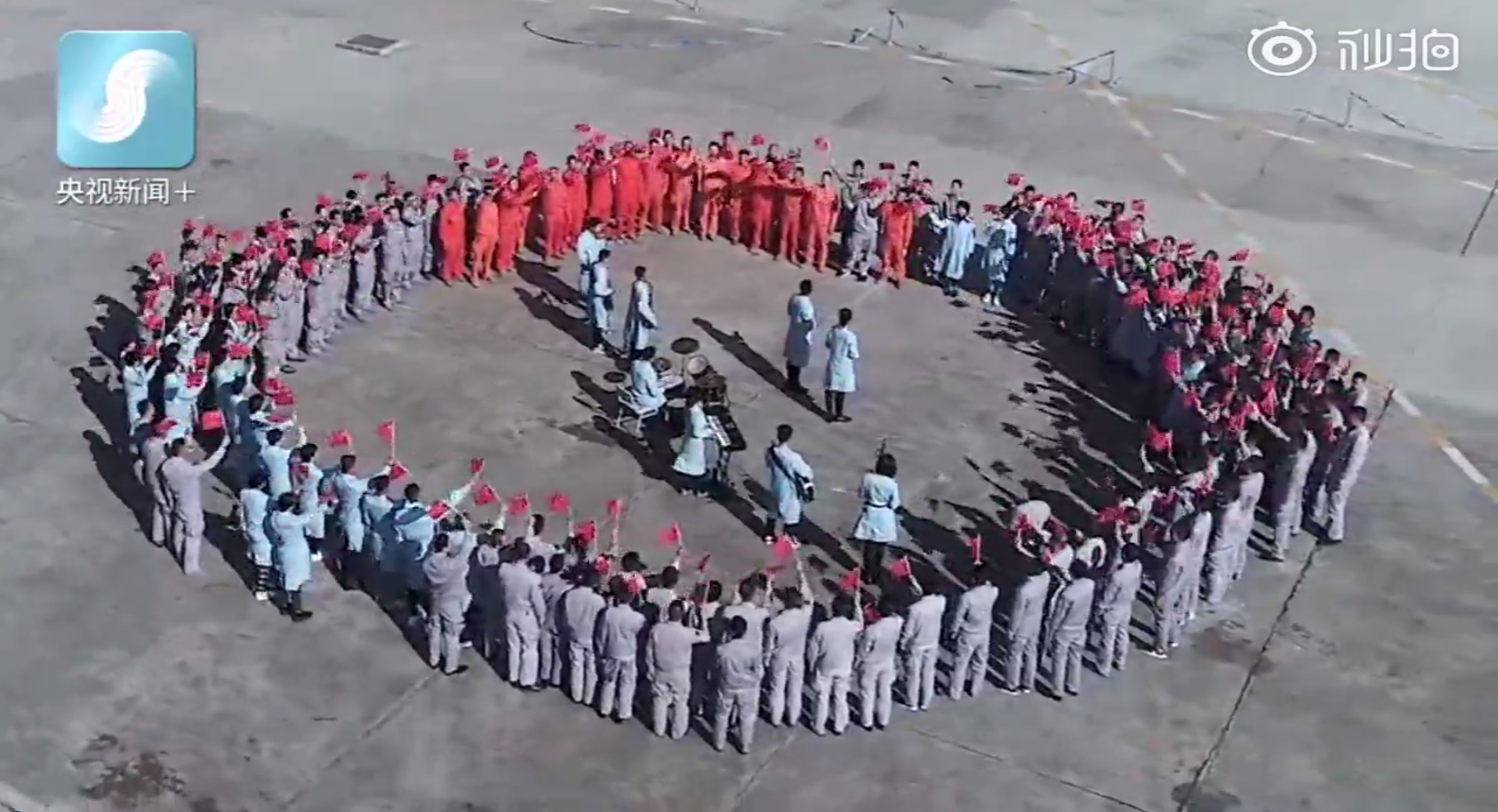

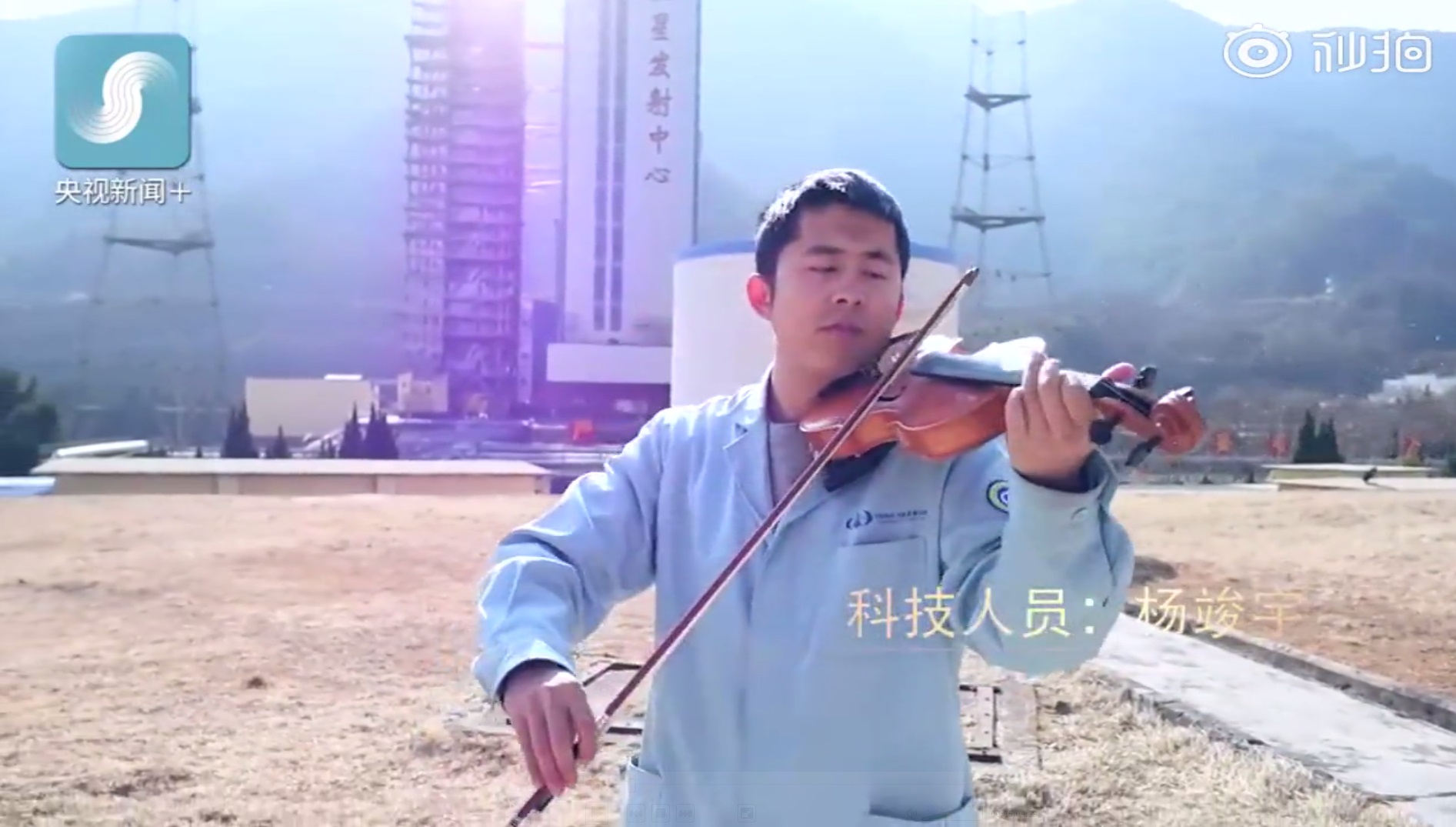

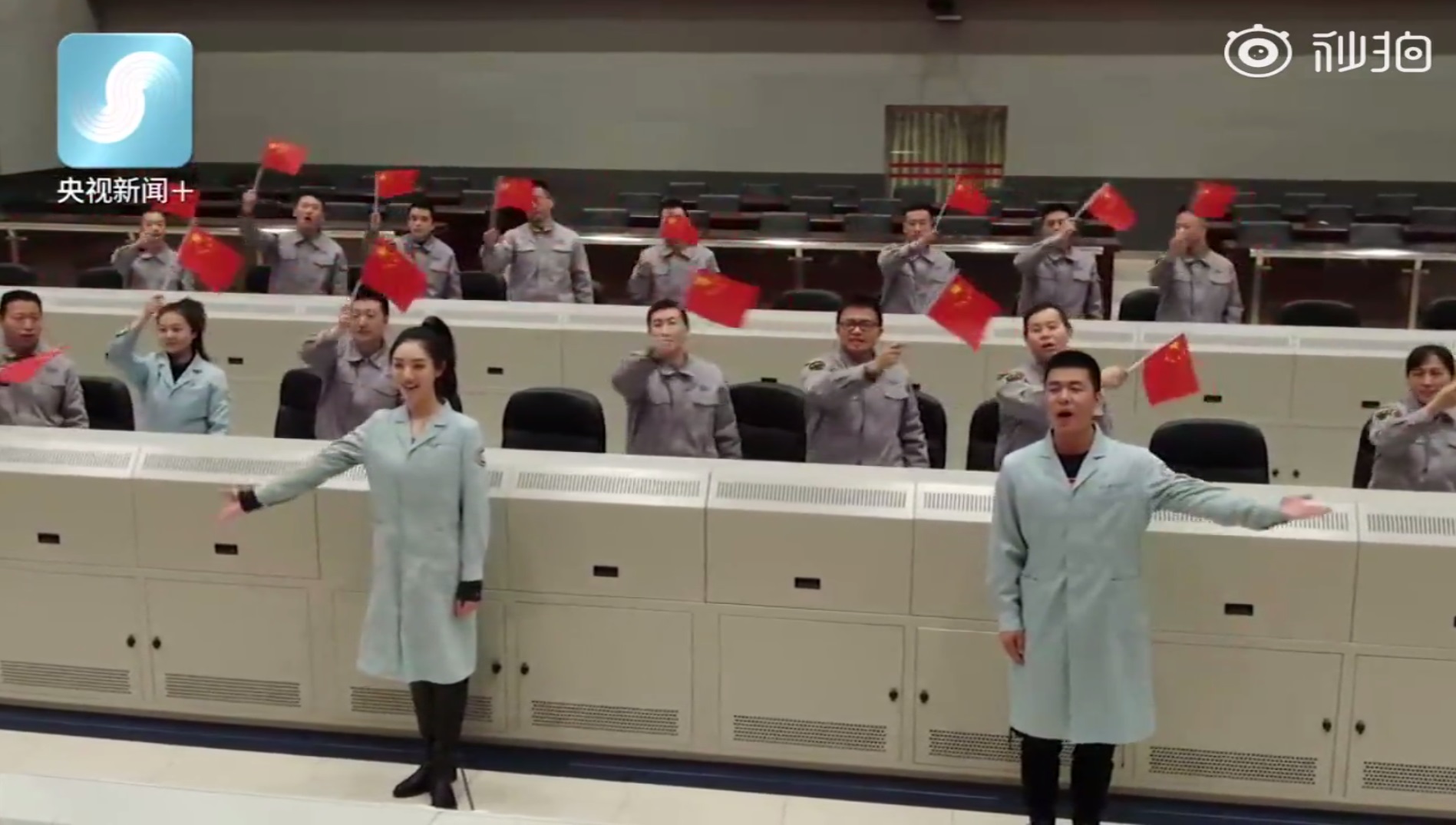
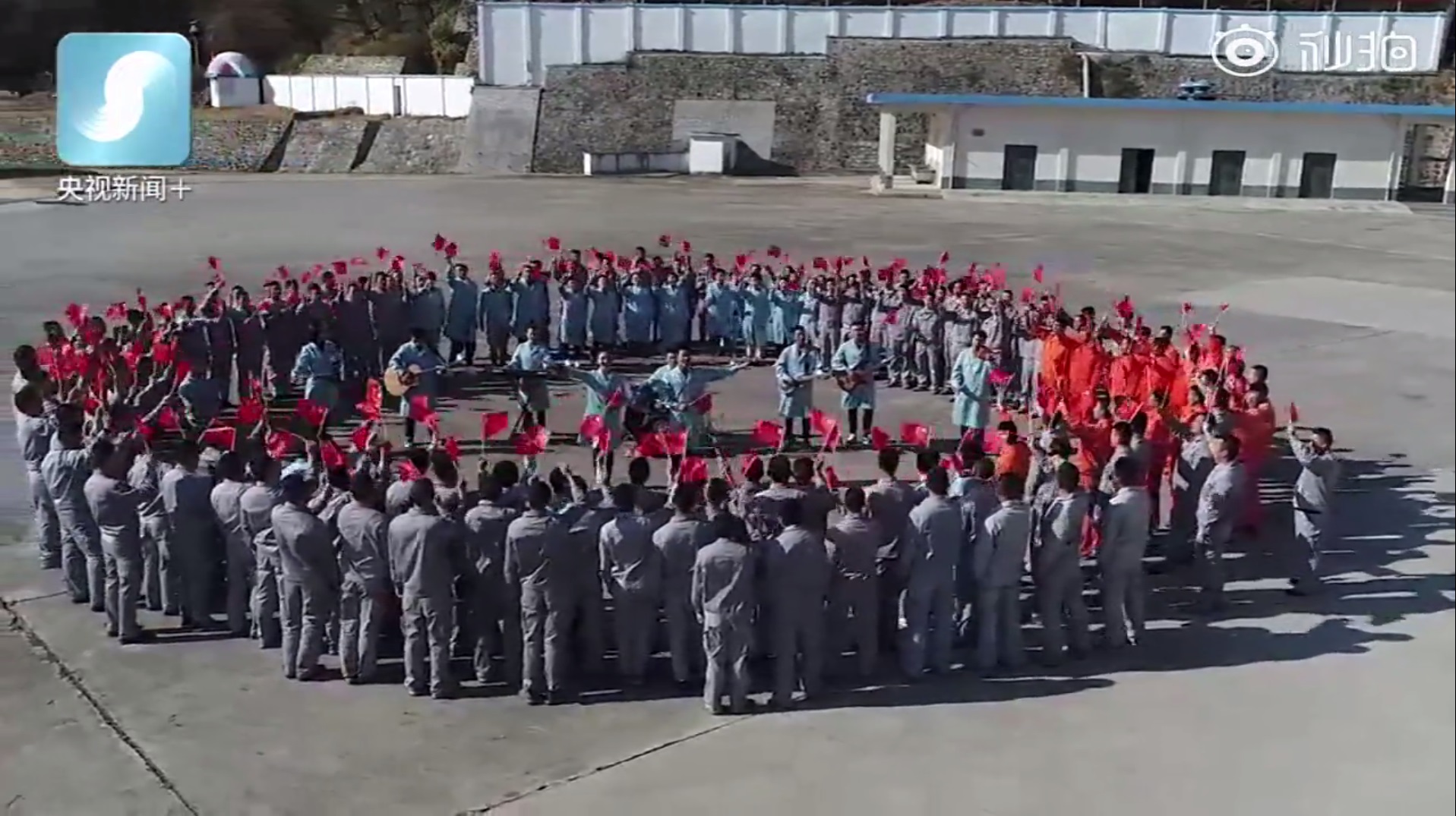
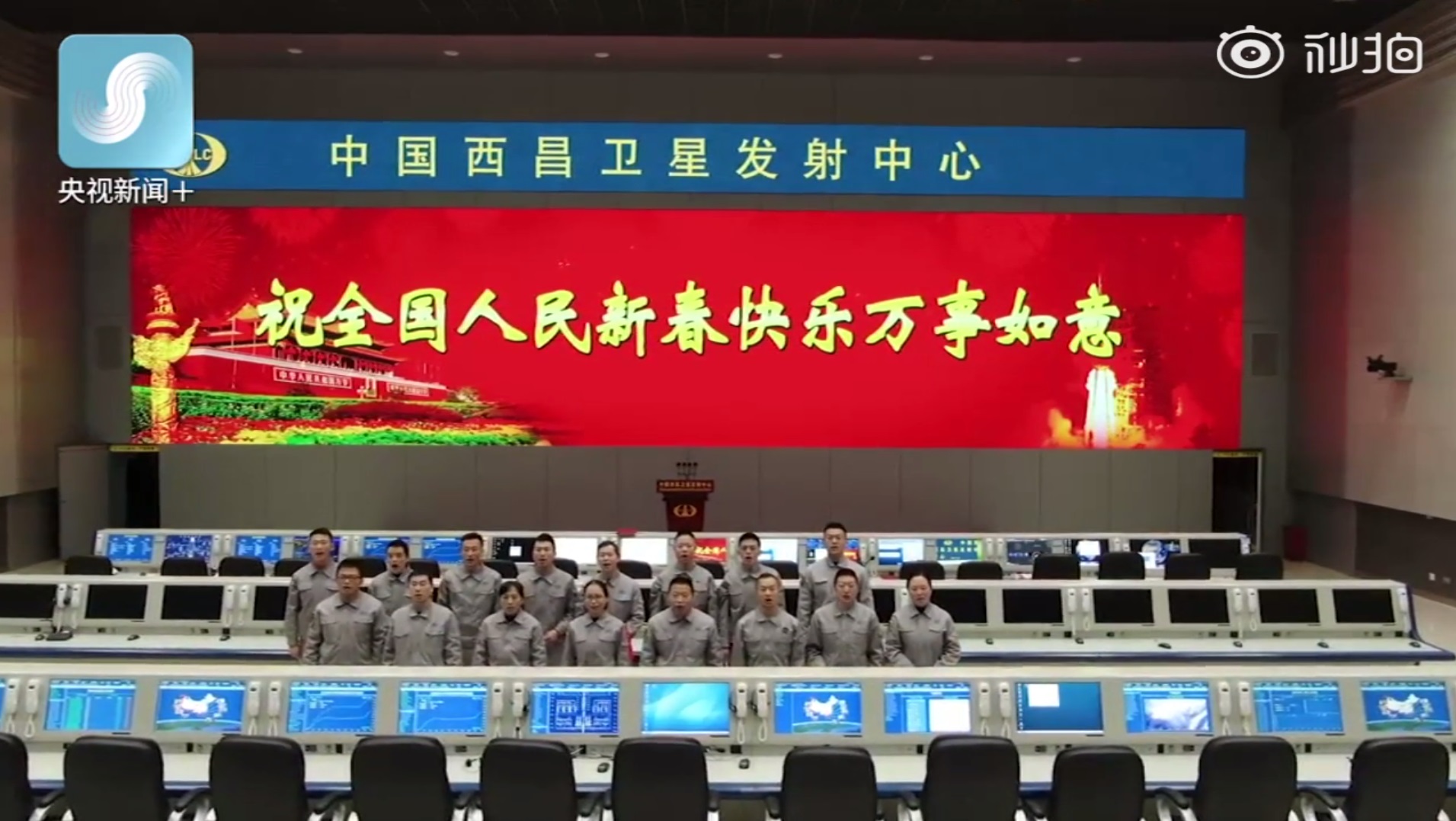
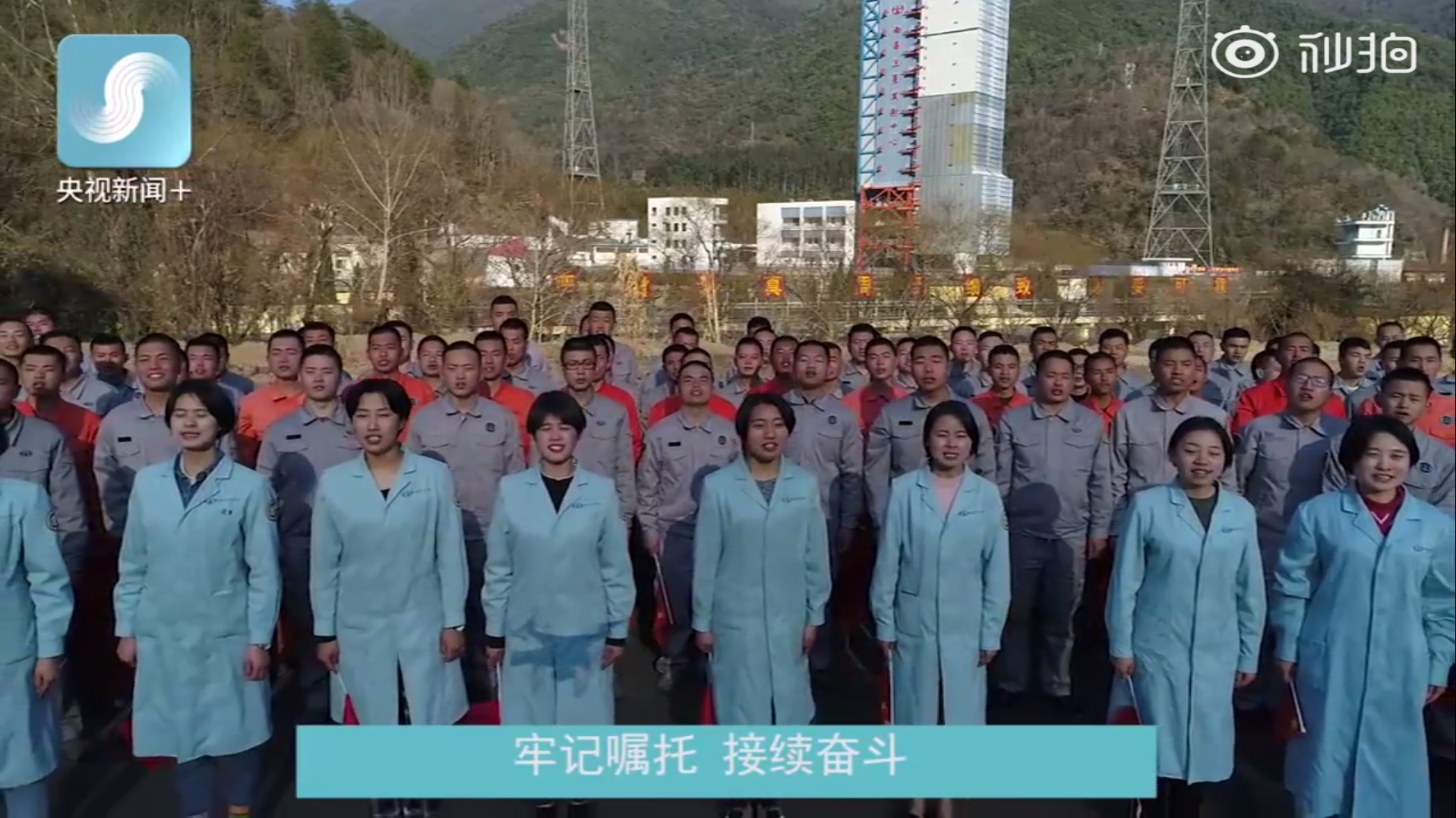
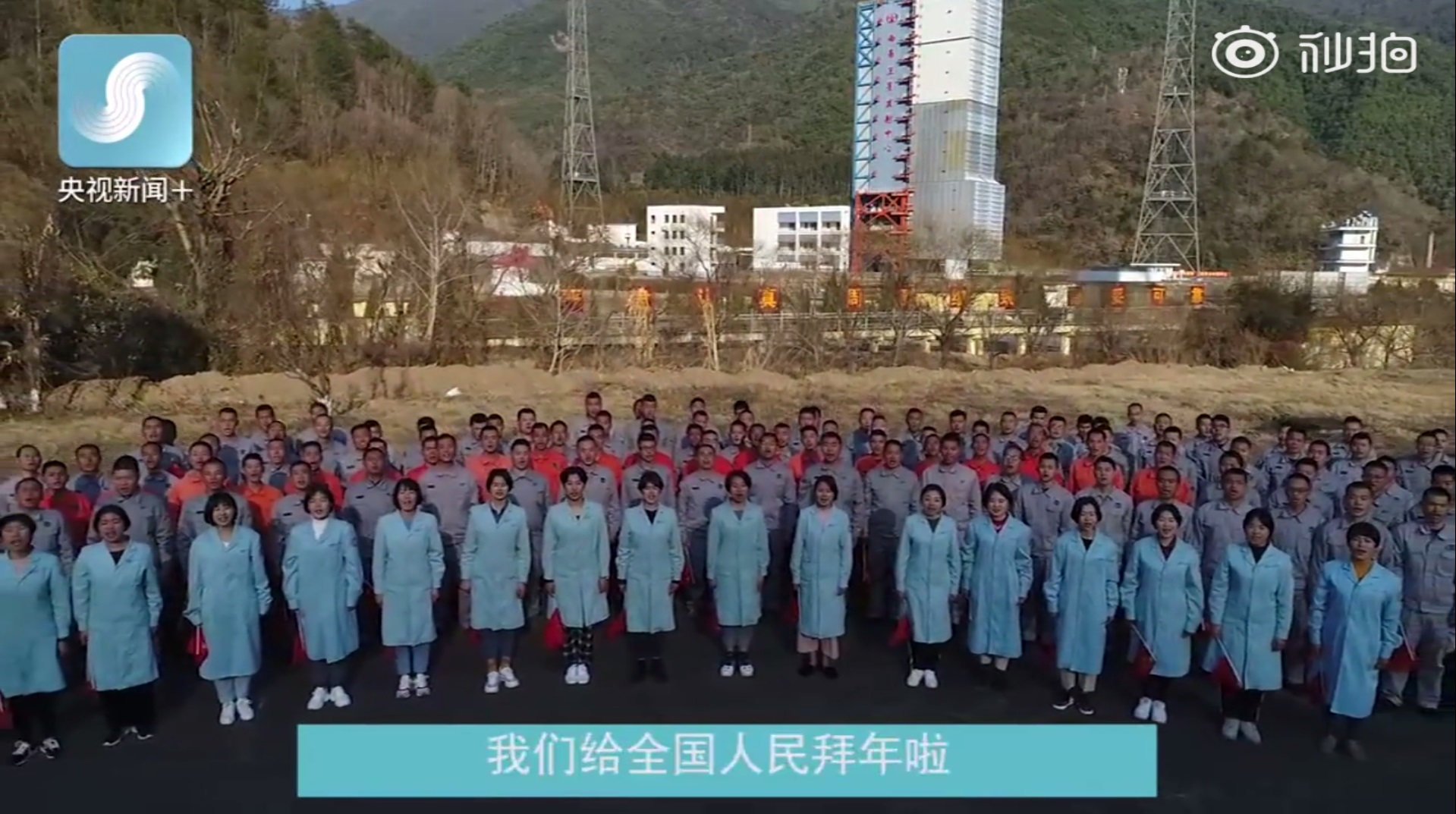
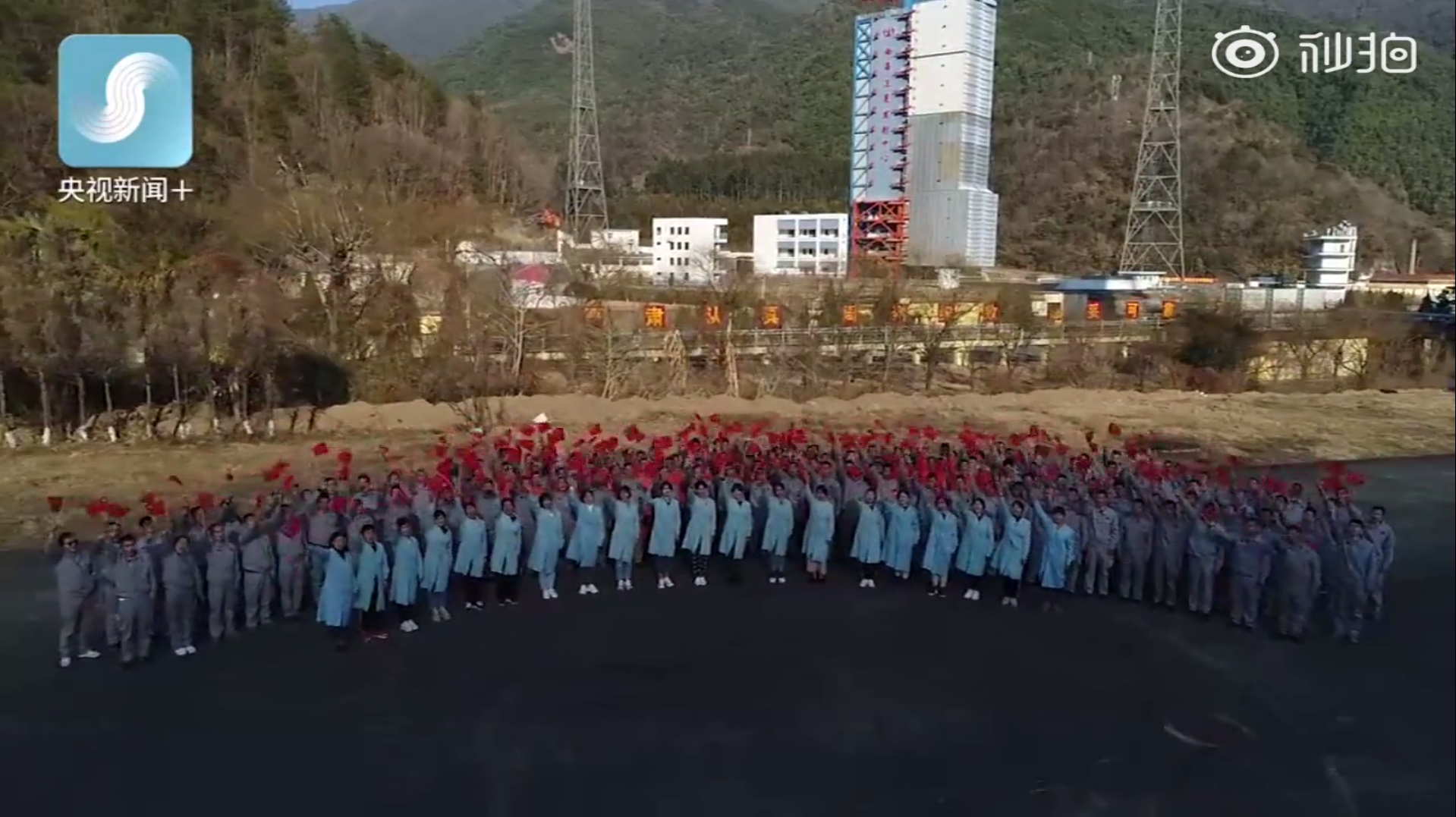
But the harshest time at the cosmodrome is the moment of launching the launch vehicle.
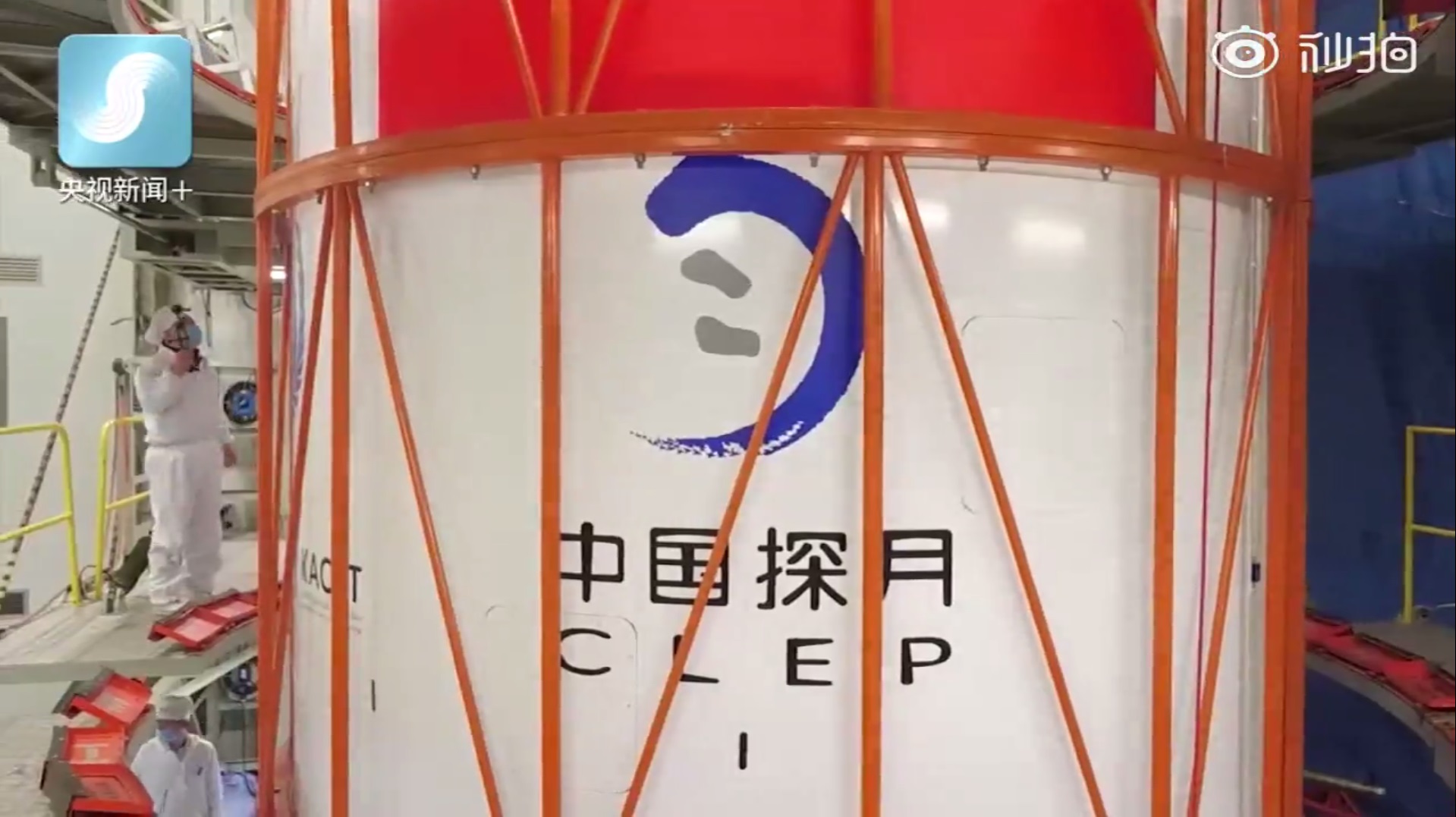
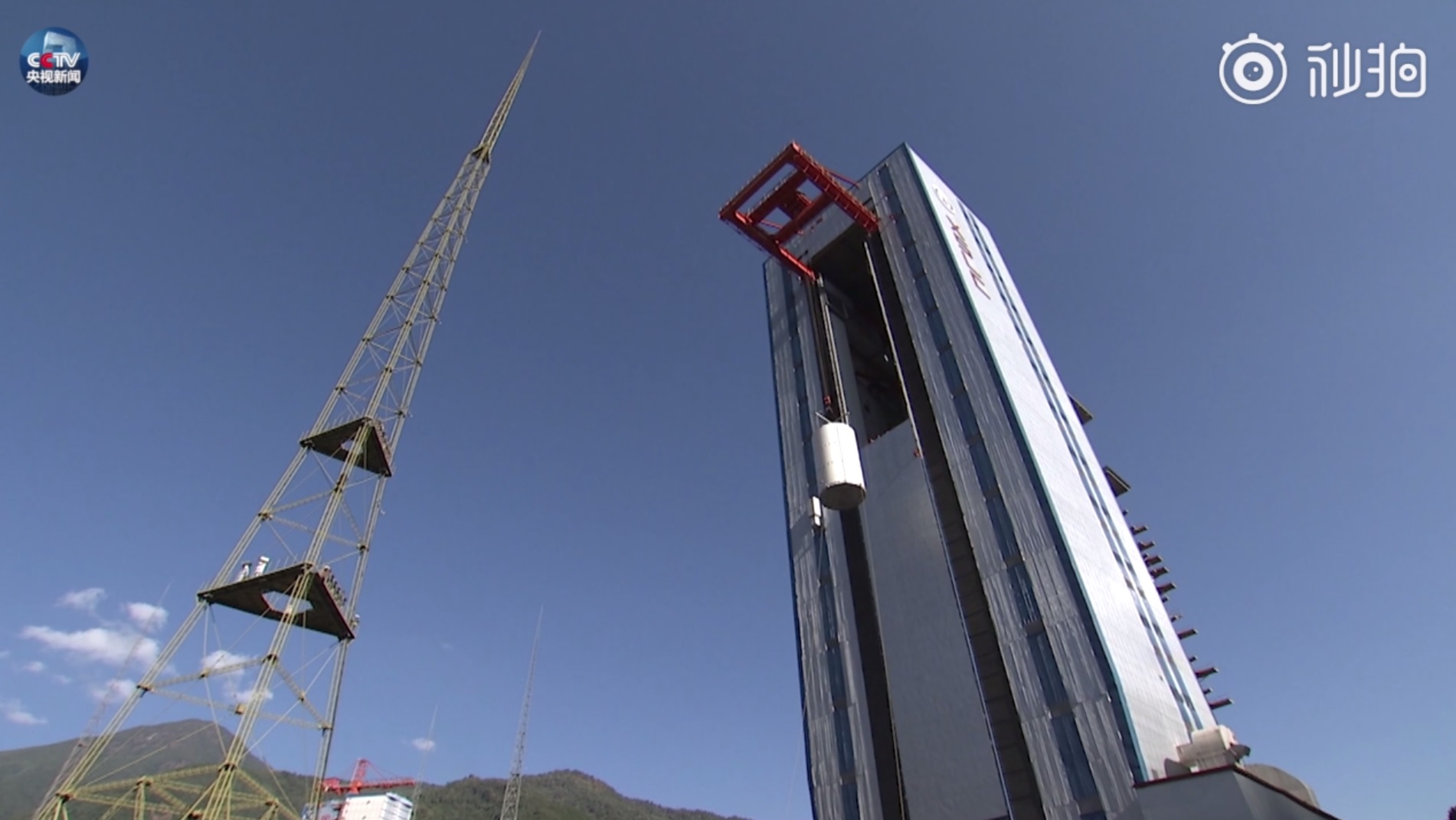
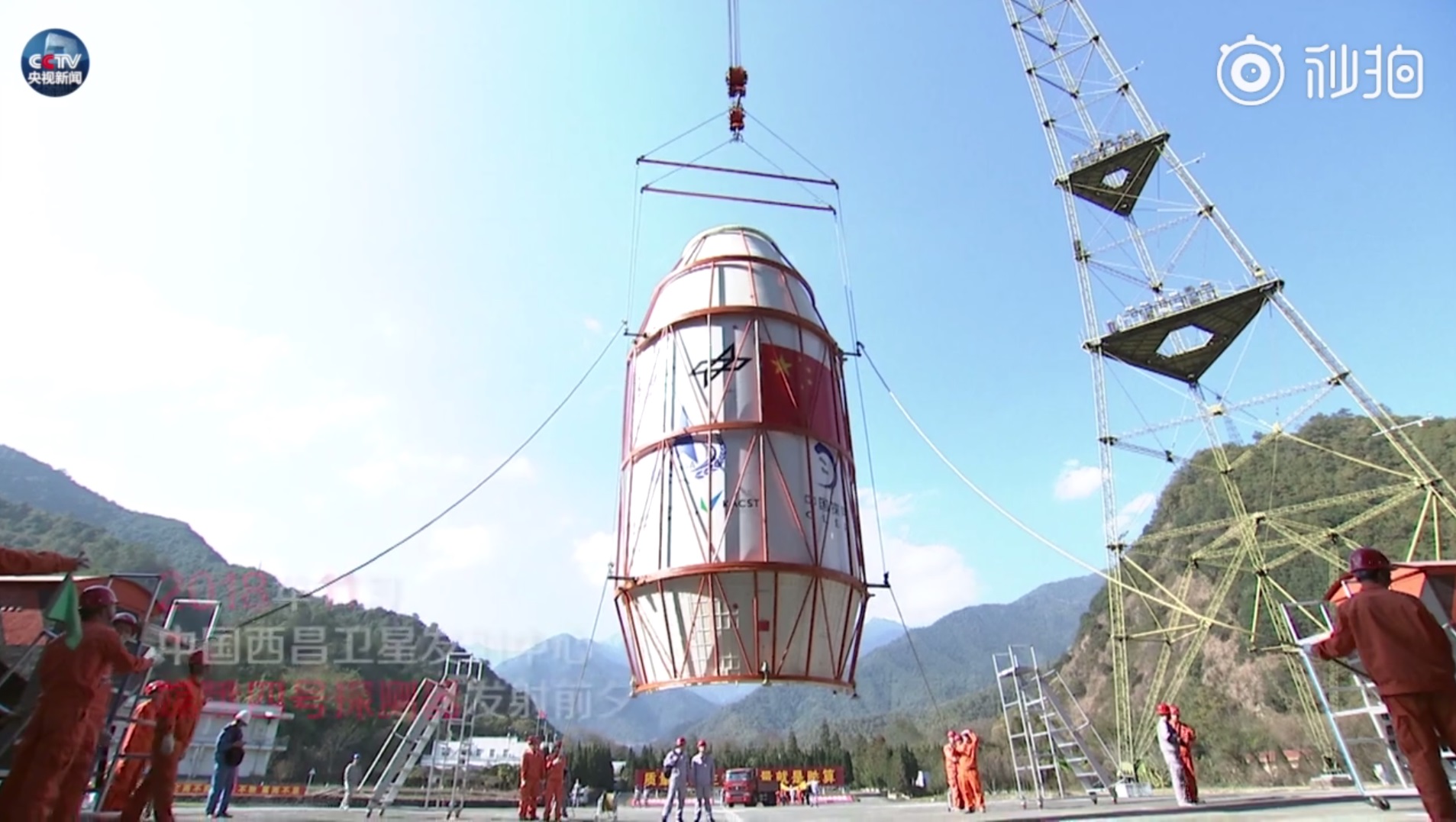
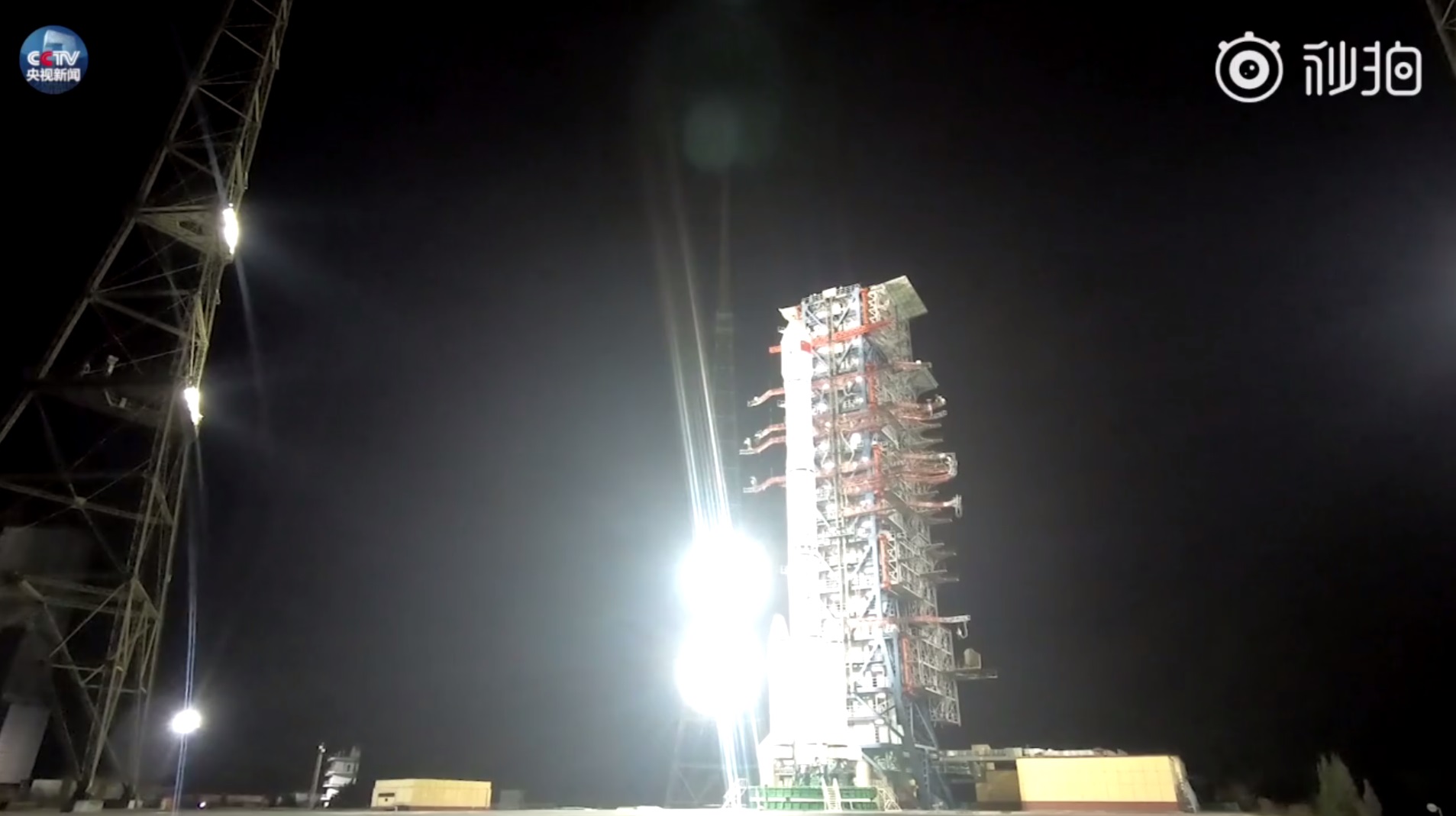
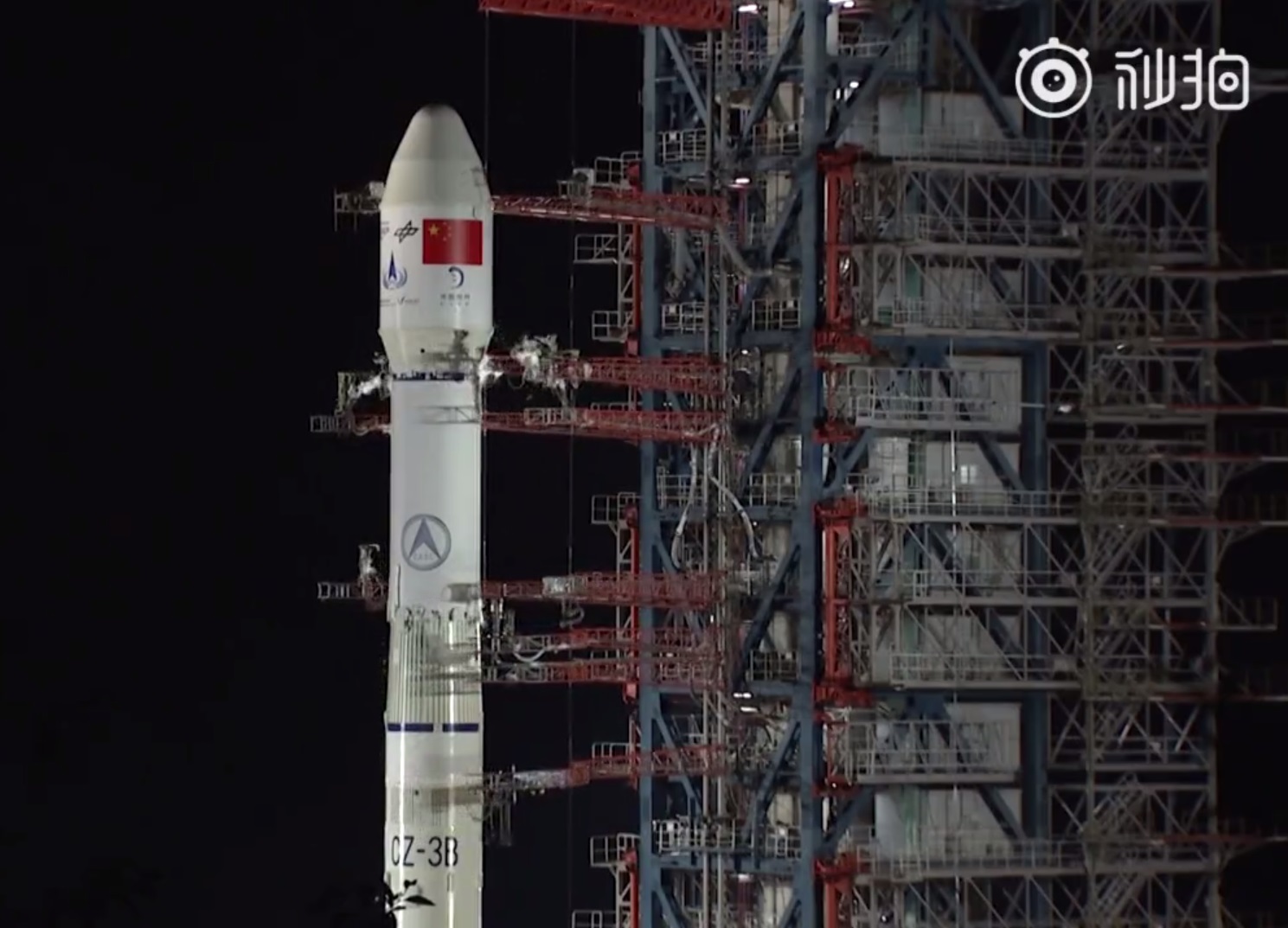
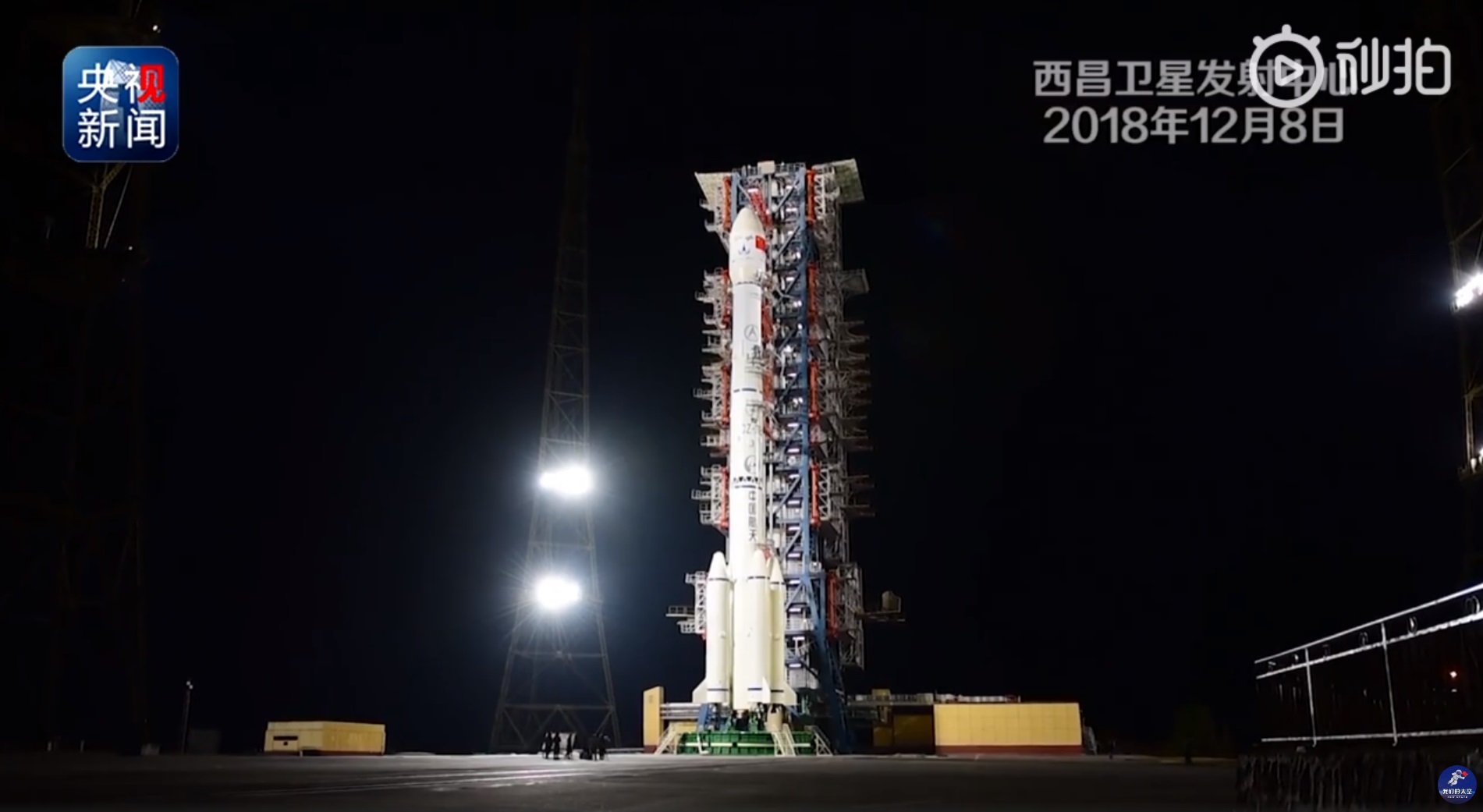
And this is what happened at the launch site on December 8, 2018 when launching the Changzheng-3B launch vehicle with the lunar module "Chang'e-4":
Gathering and a preparation:
A few minutes before the start:
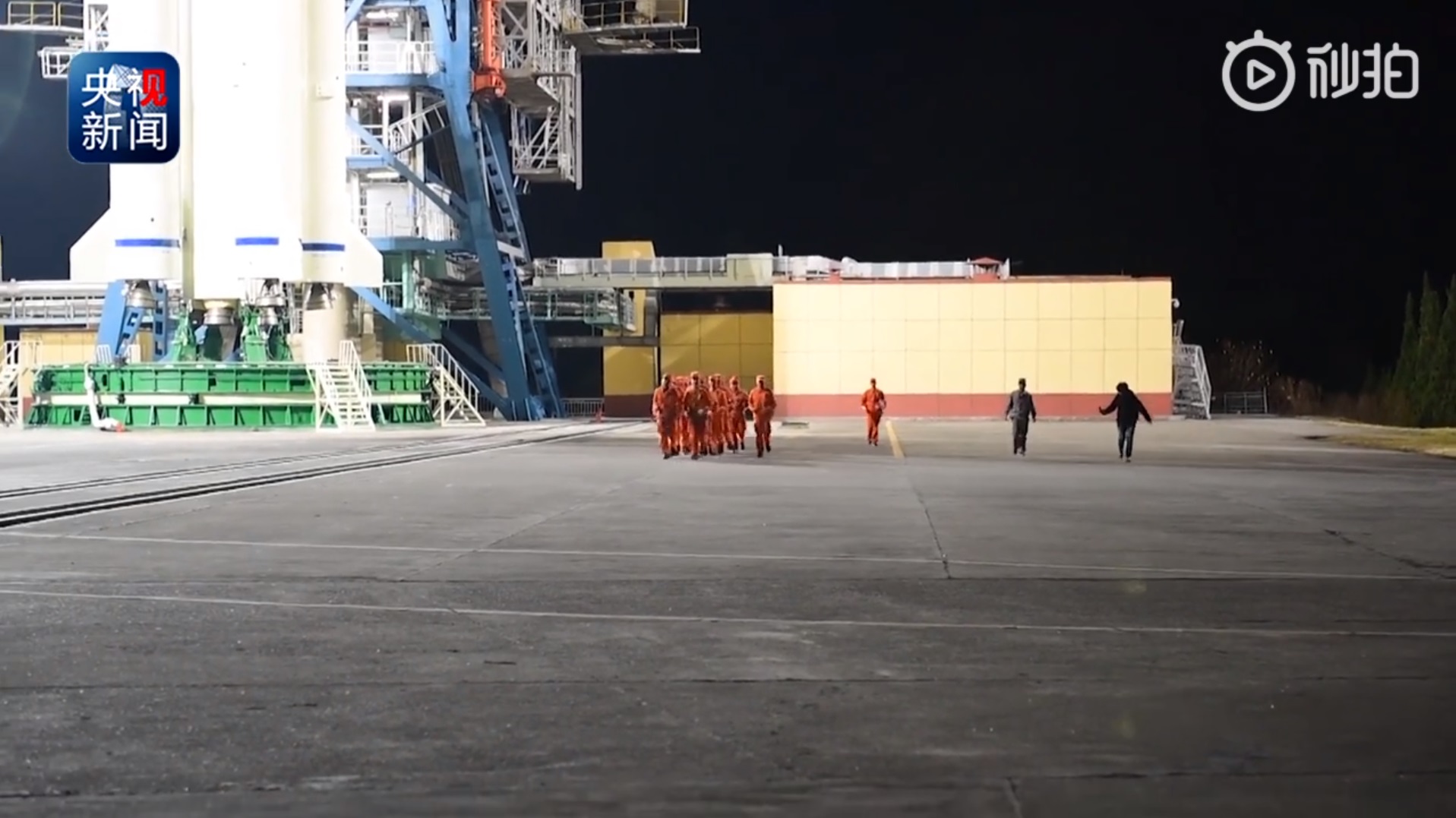
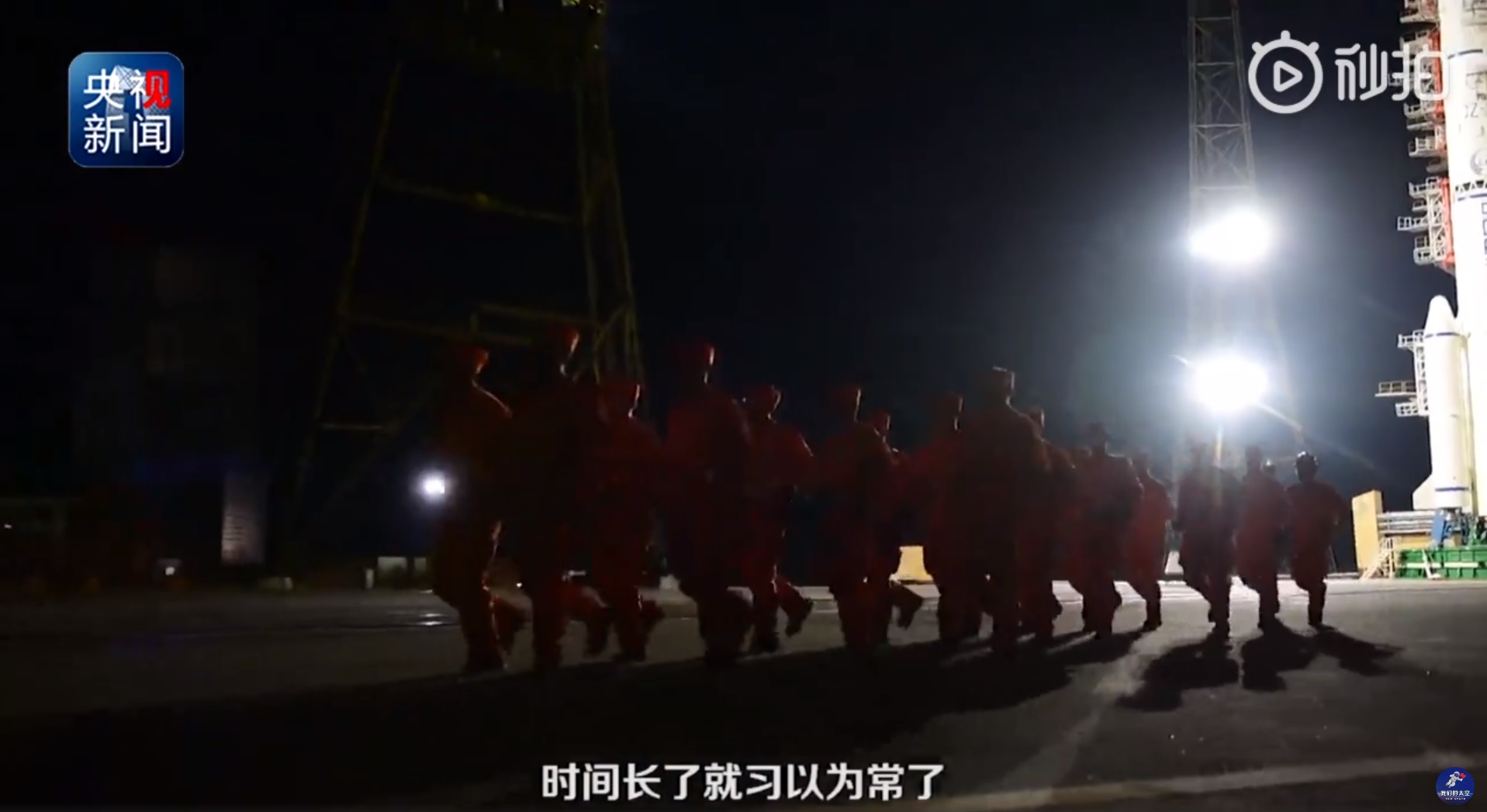
the technicians team leaves the launch pad:
The launch commander personally takes part in checking the departure of personnel to the bunker:
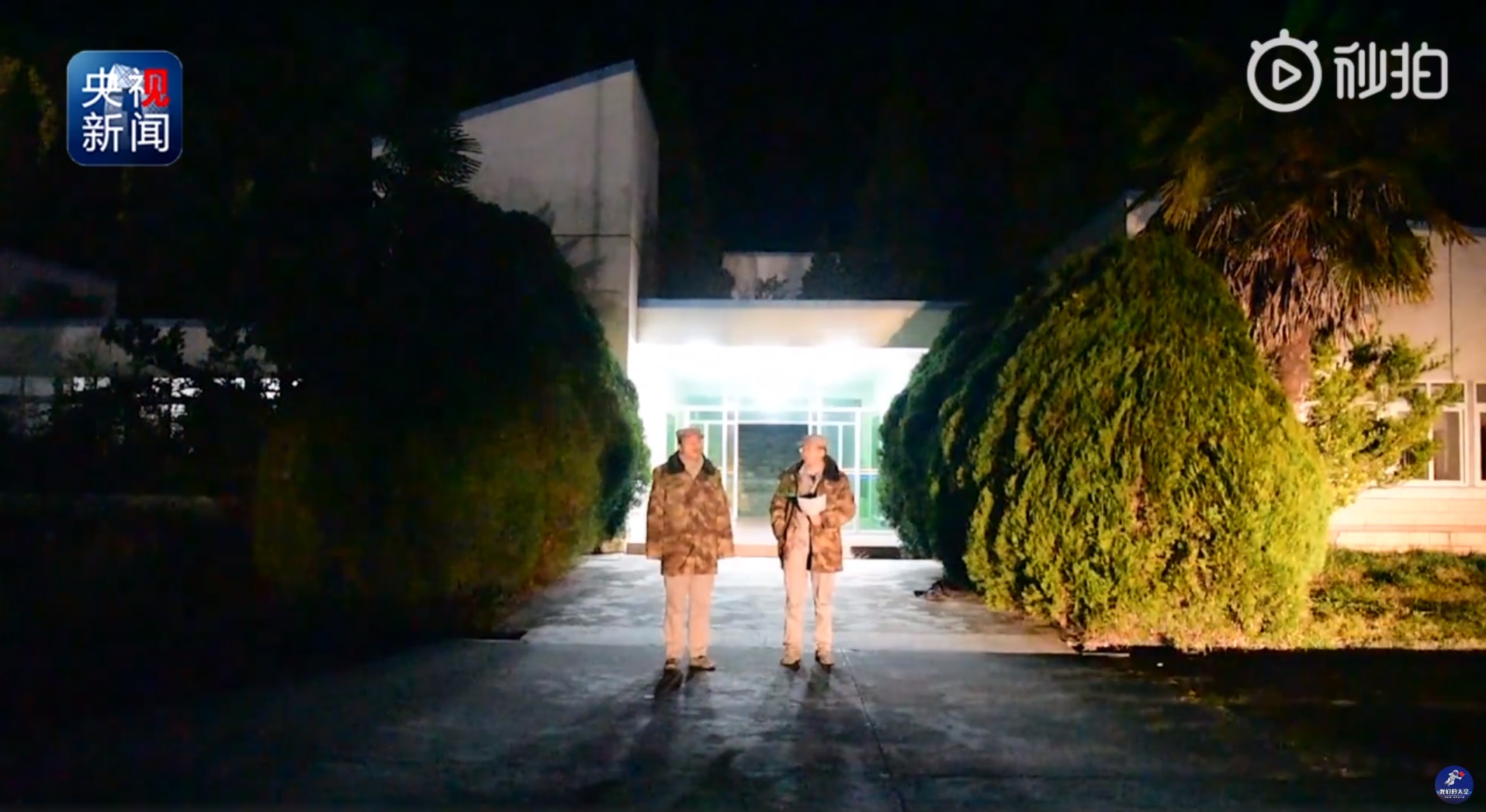
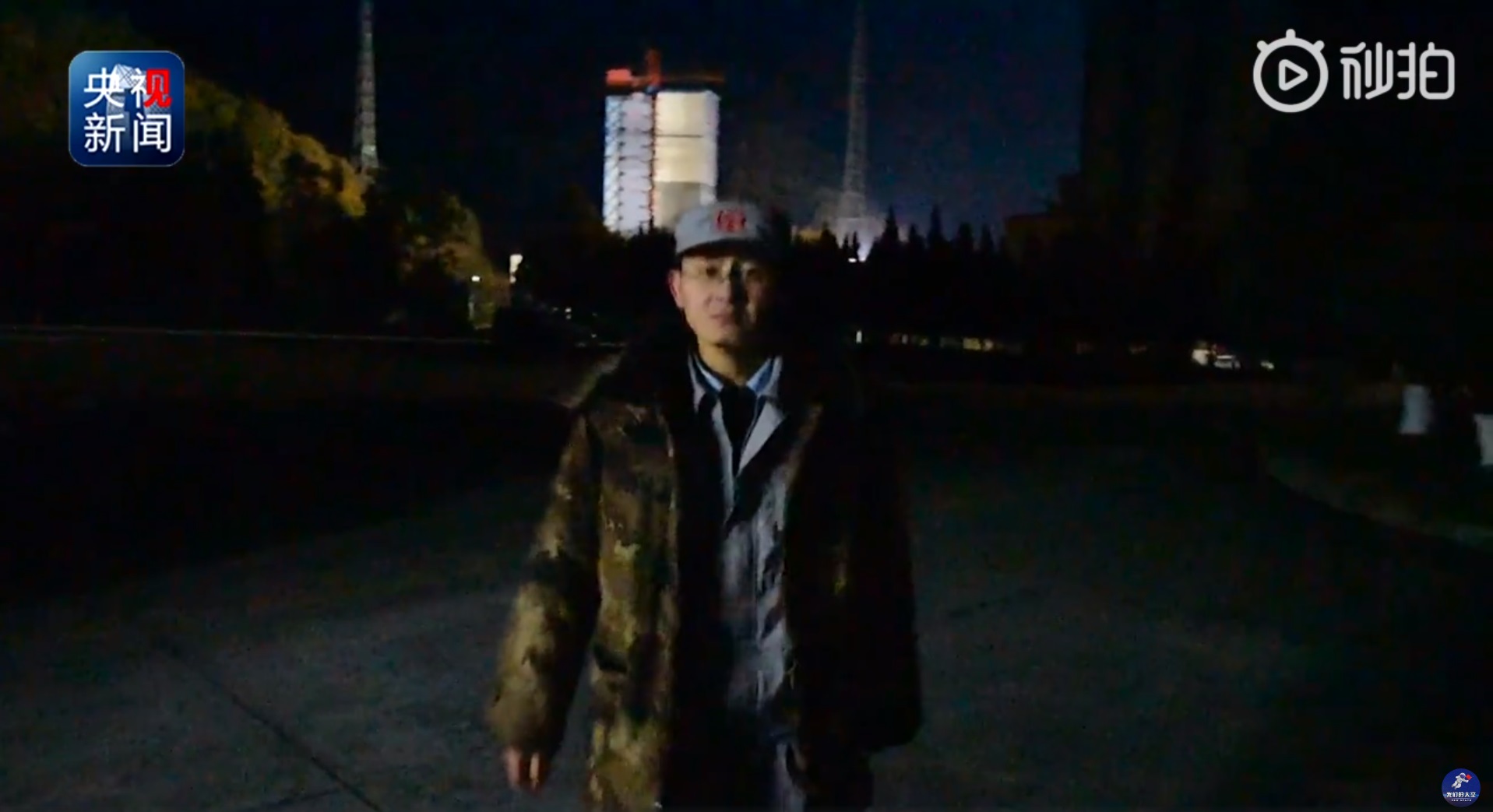
The commander has great responsibility for people and equipment:
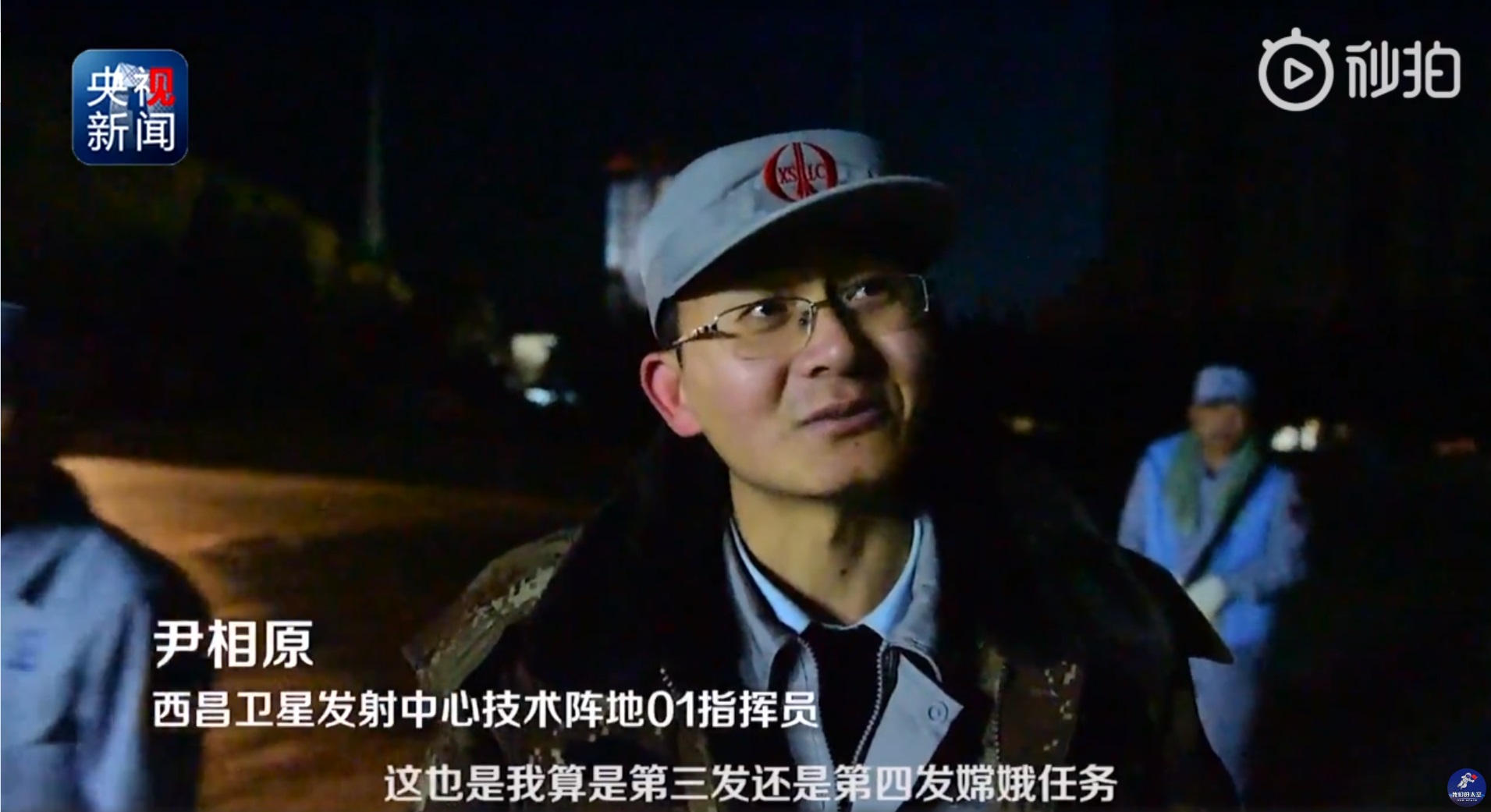
He remains alone with the launch vehicle:
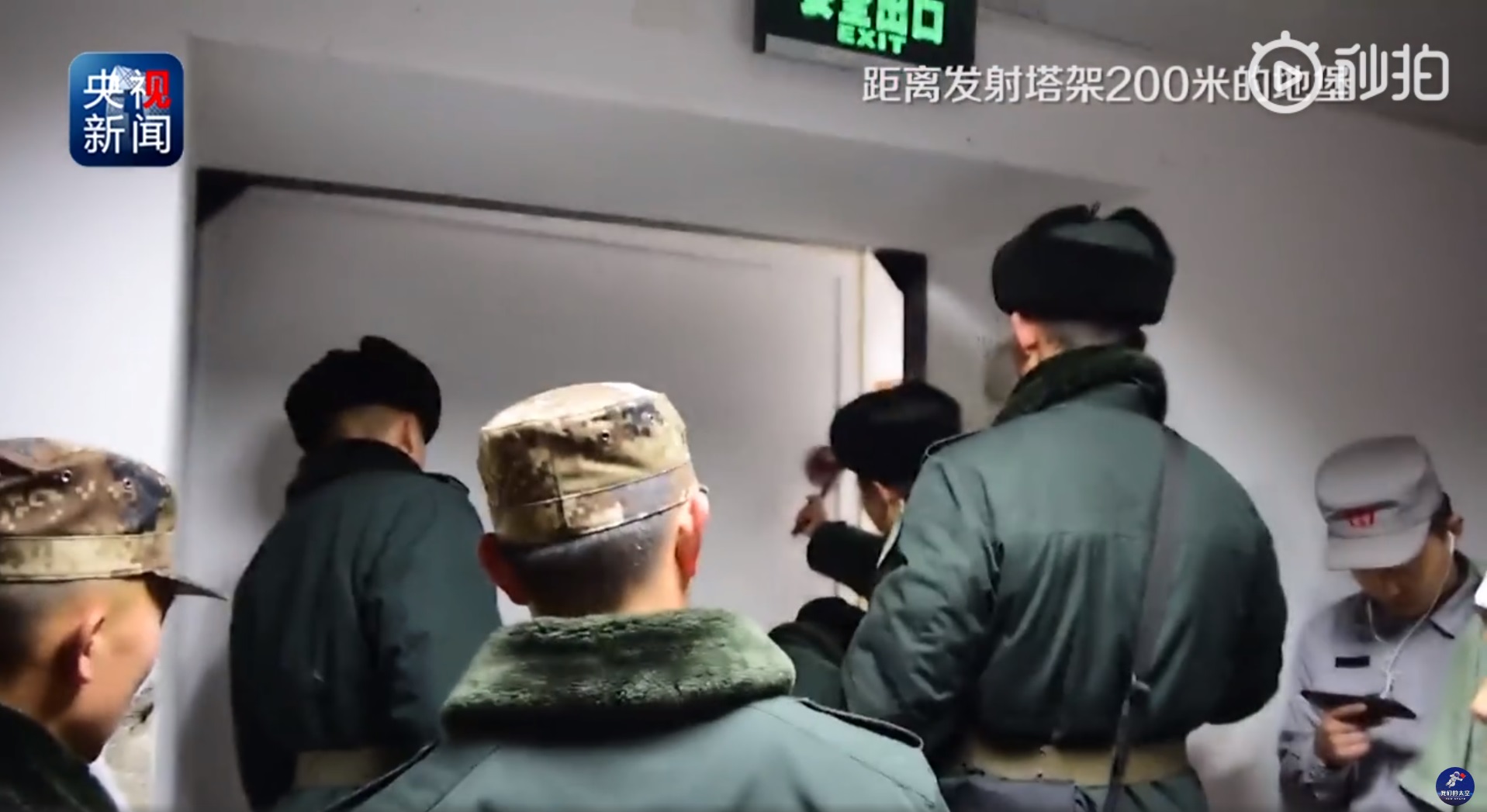
The personnel bunker is two hundred meters from the launch complex: A
defensive structure that has grown old over the years:
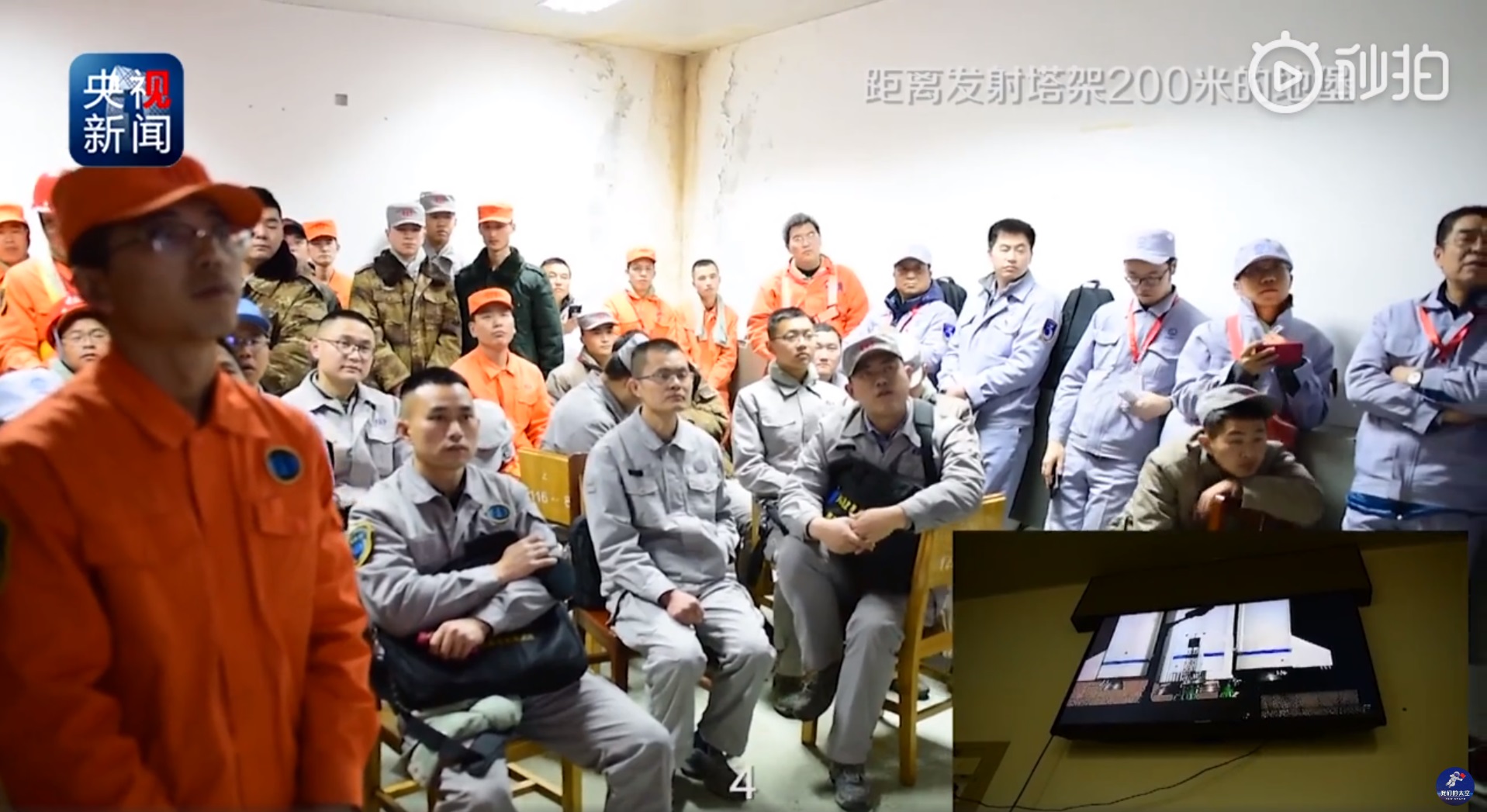
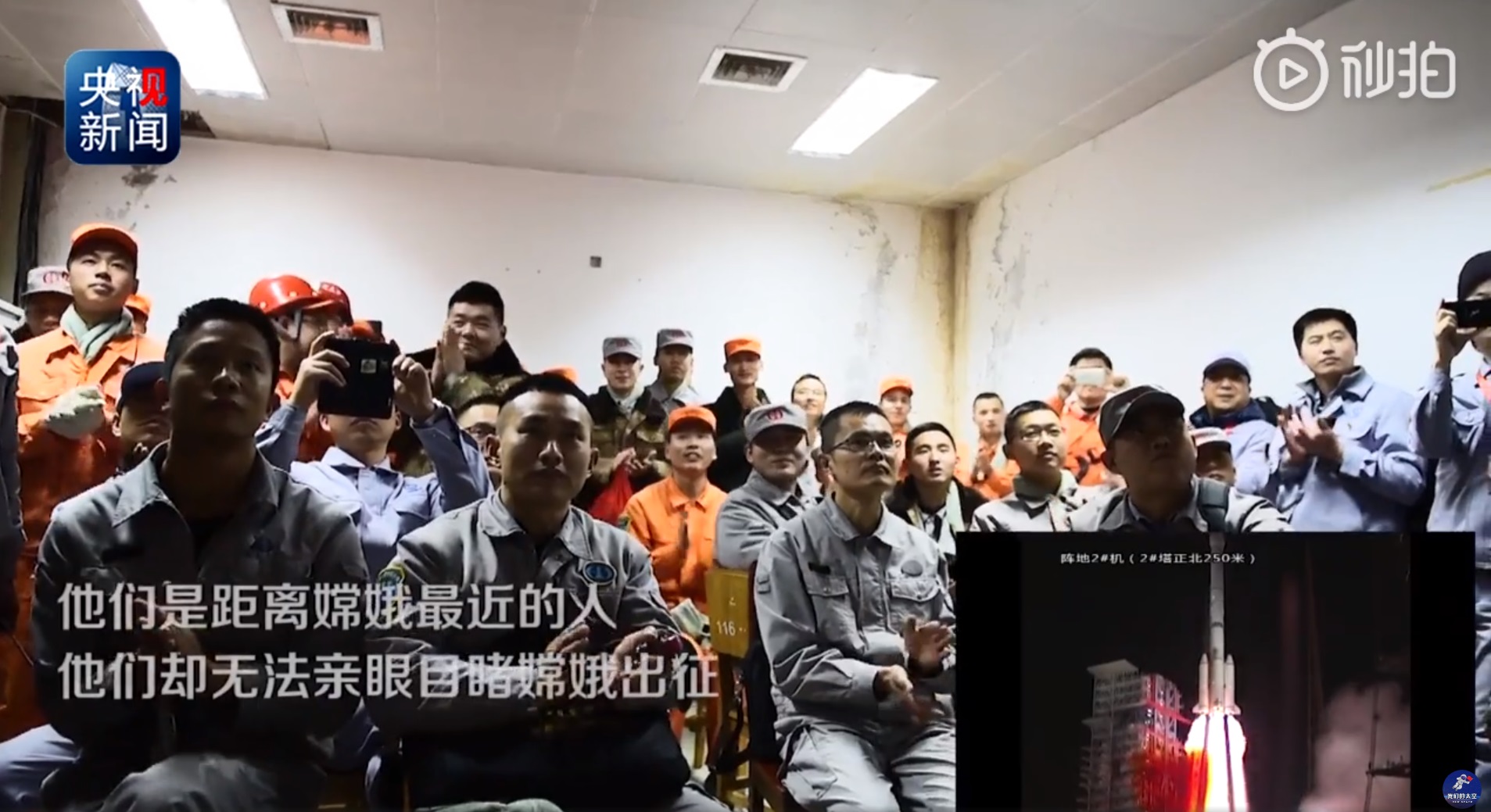
A large TV is installed in the bunker, on which the start broadcast is live:
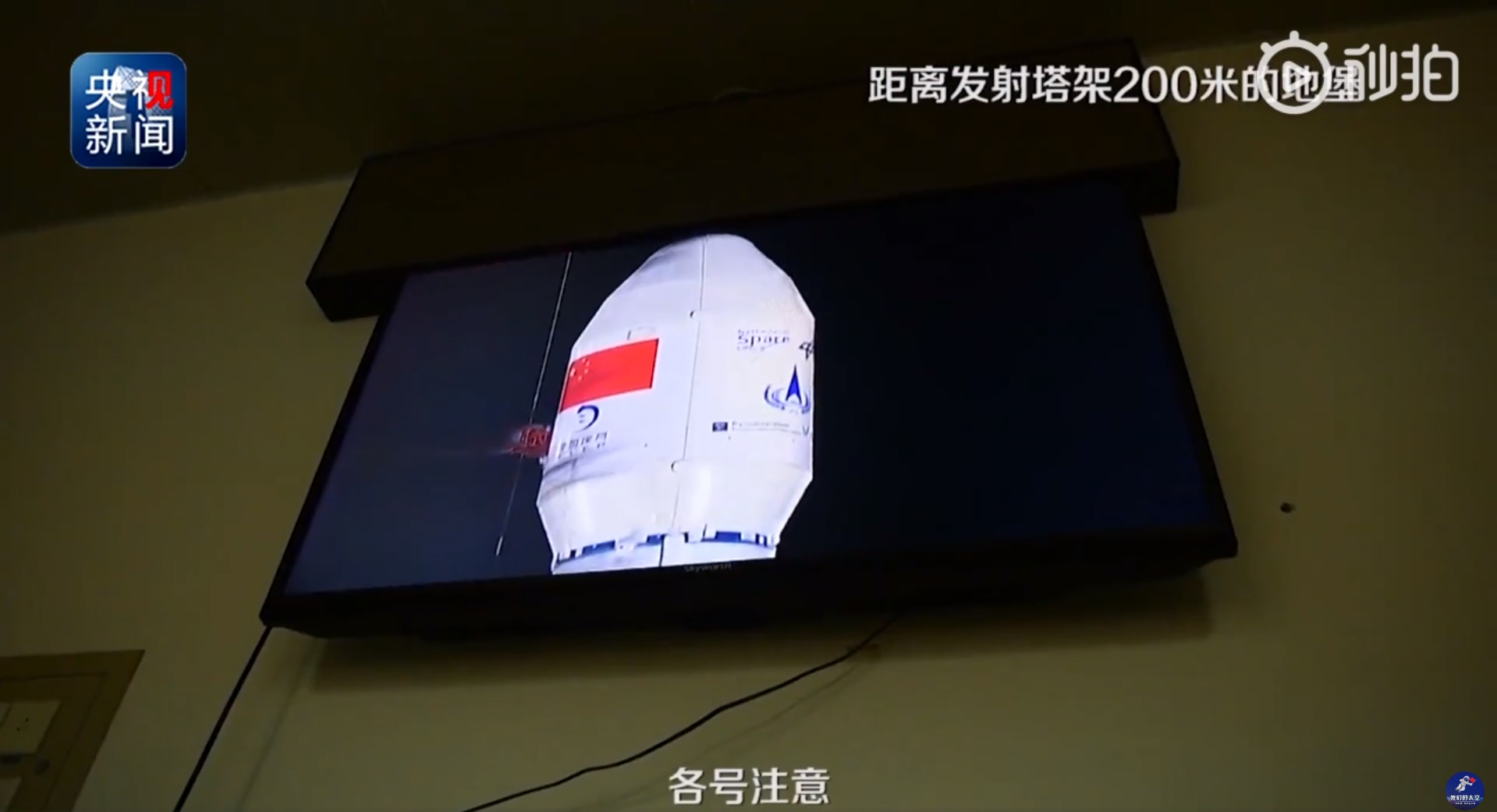
Everyone is excited and nervous:
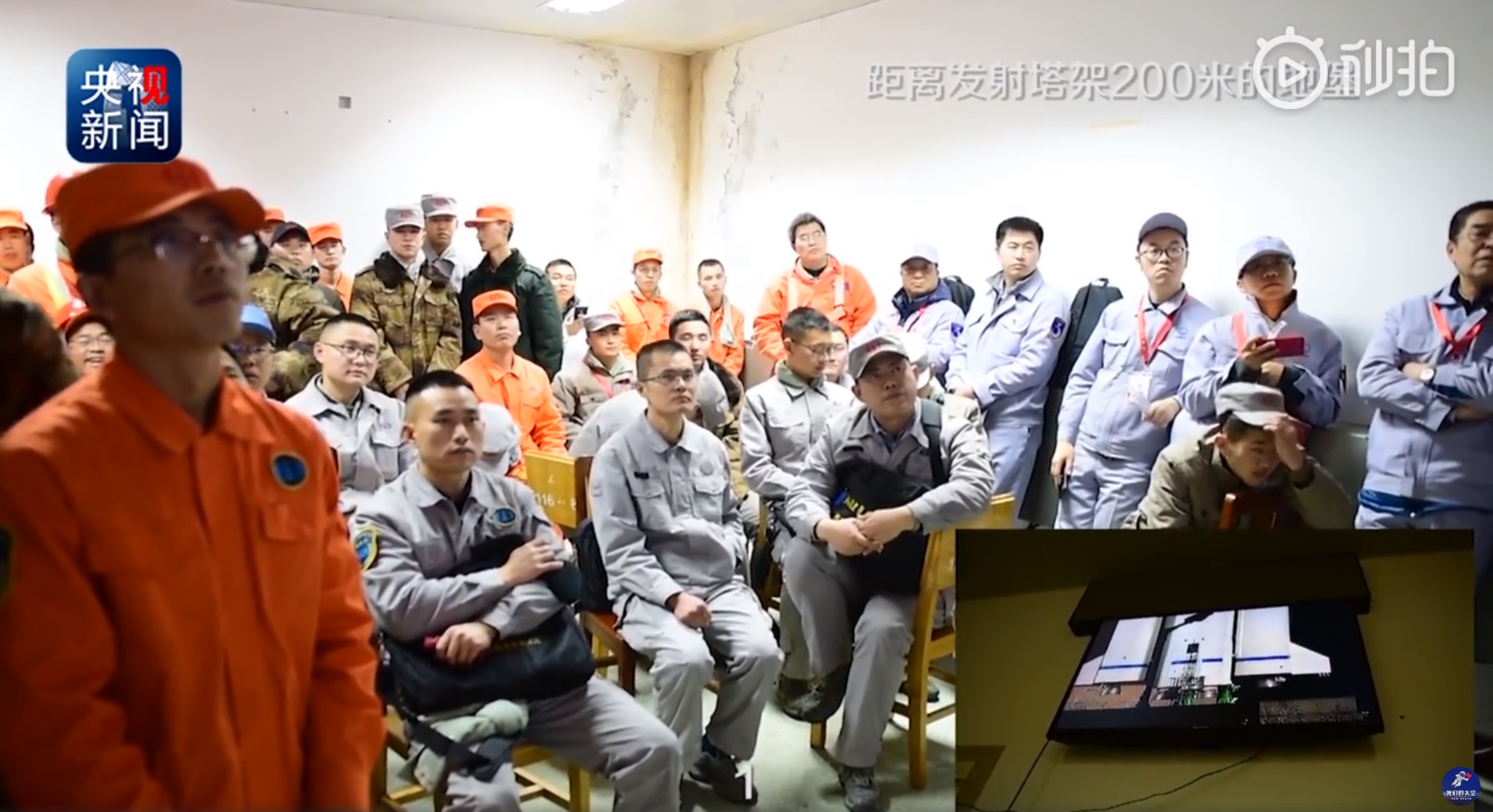
Feedback:
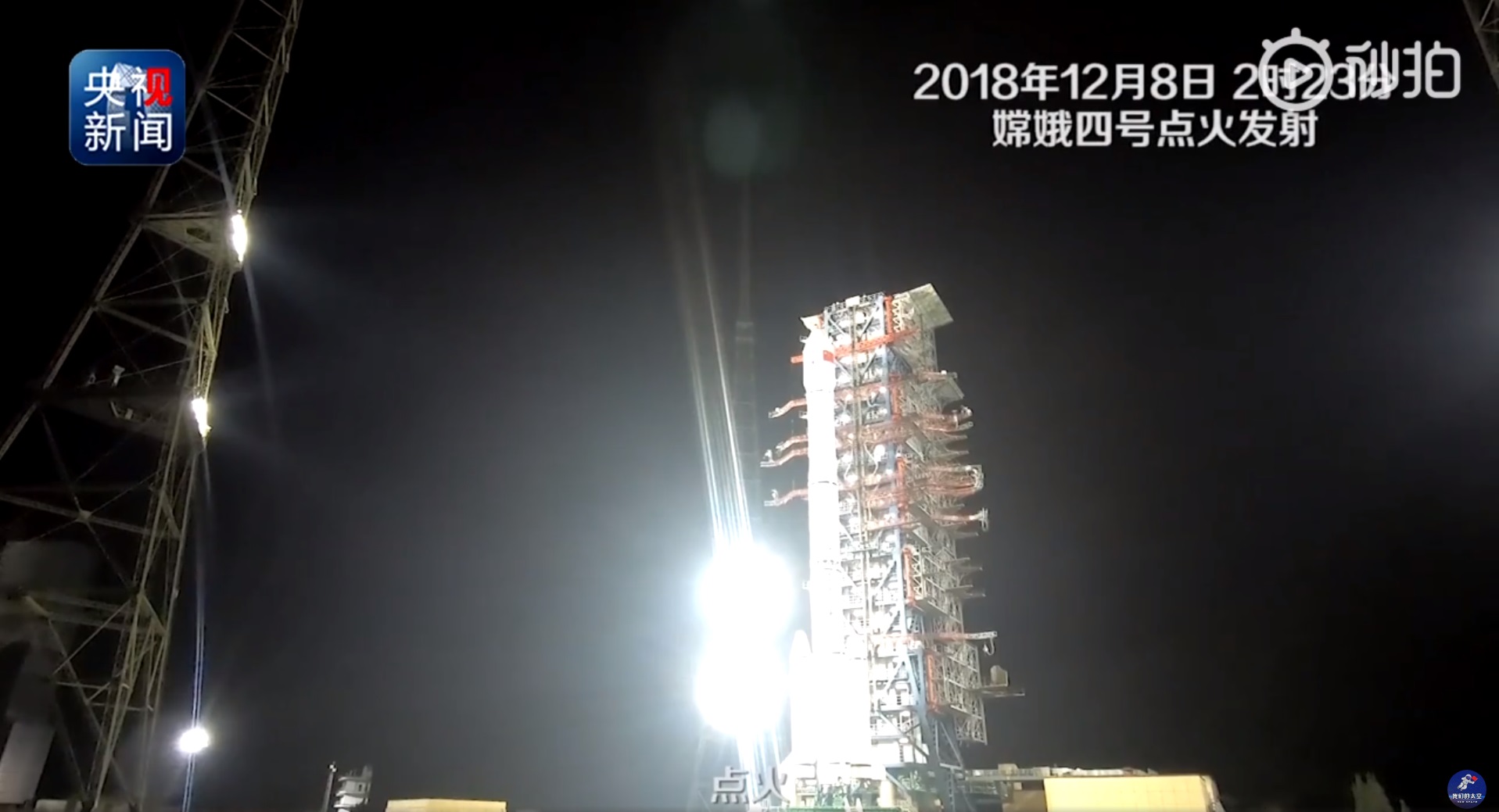
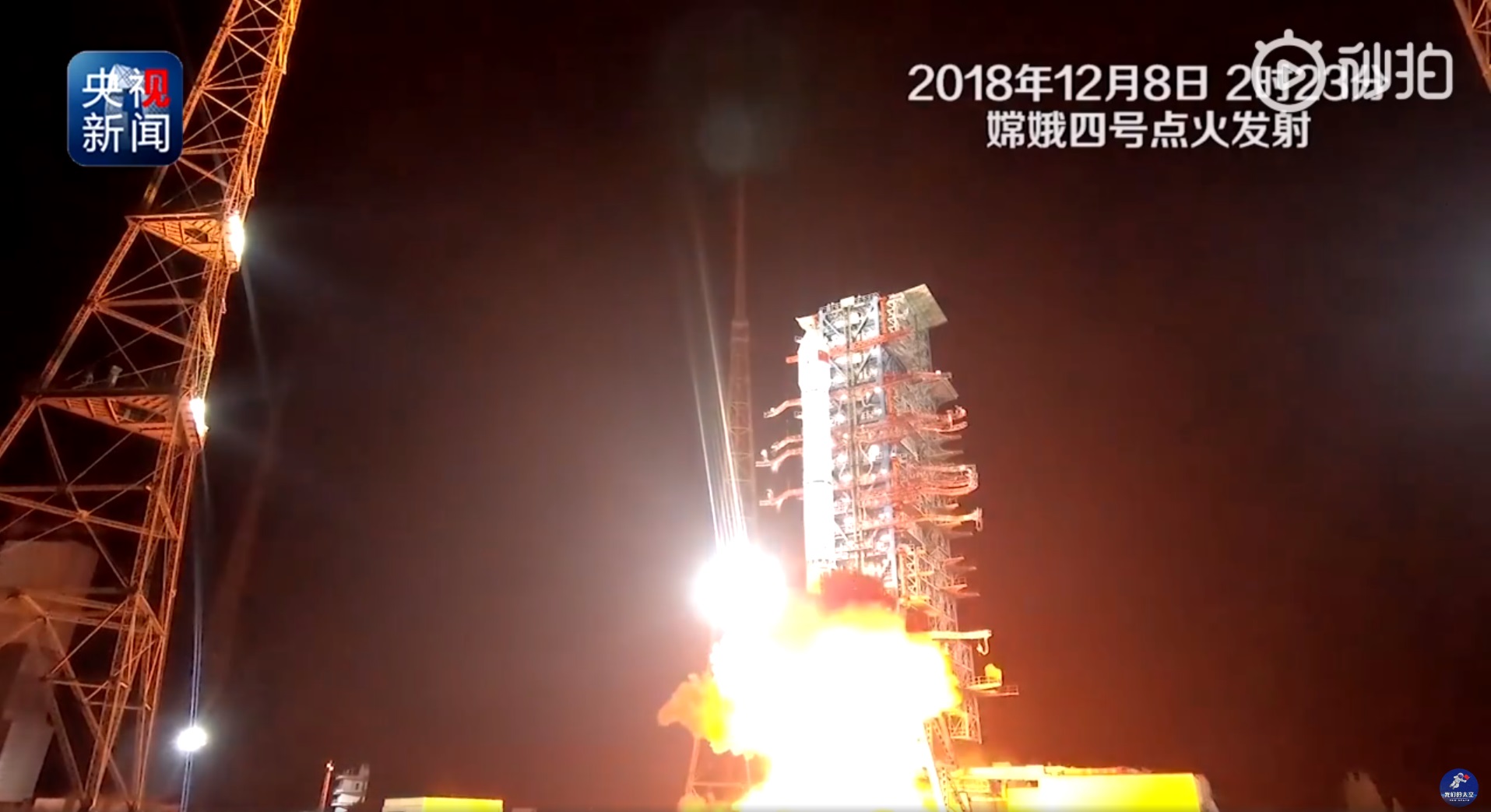
There is a gap: The
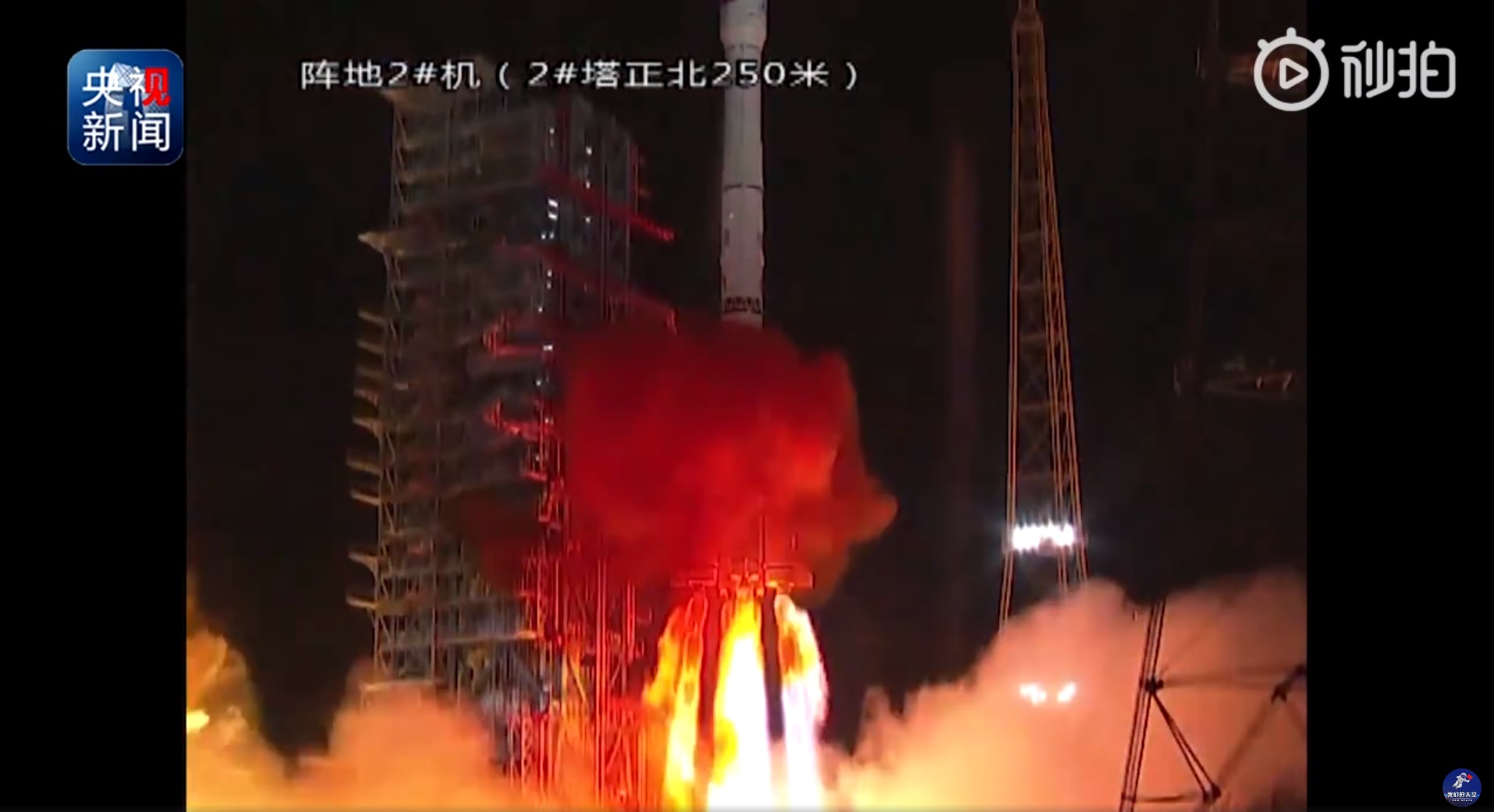
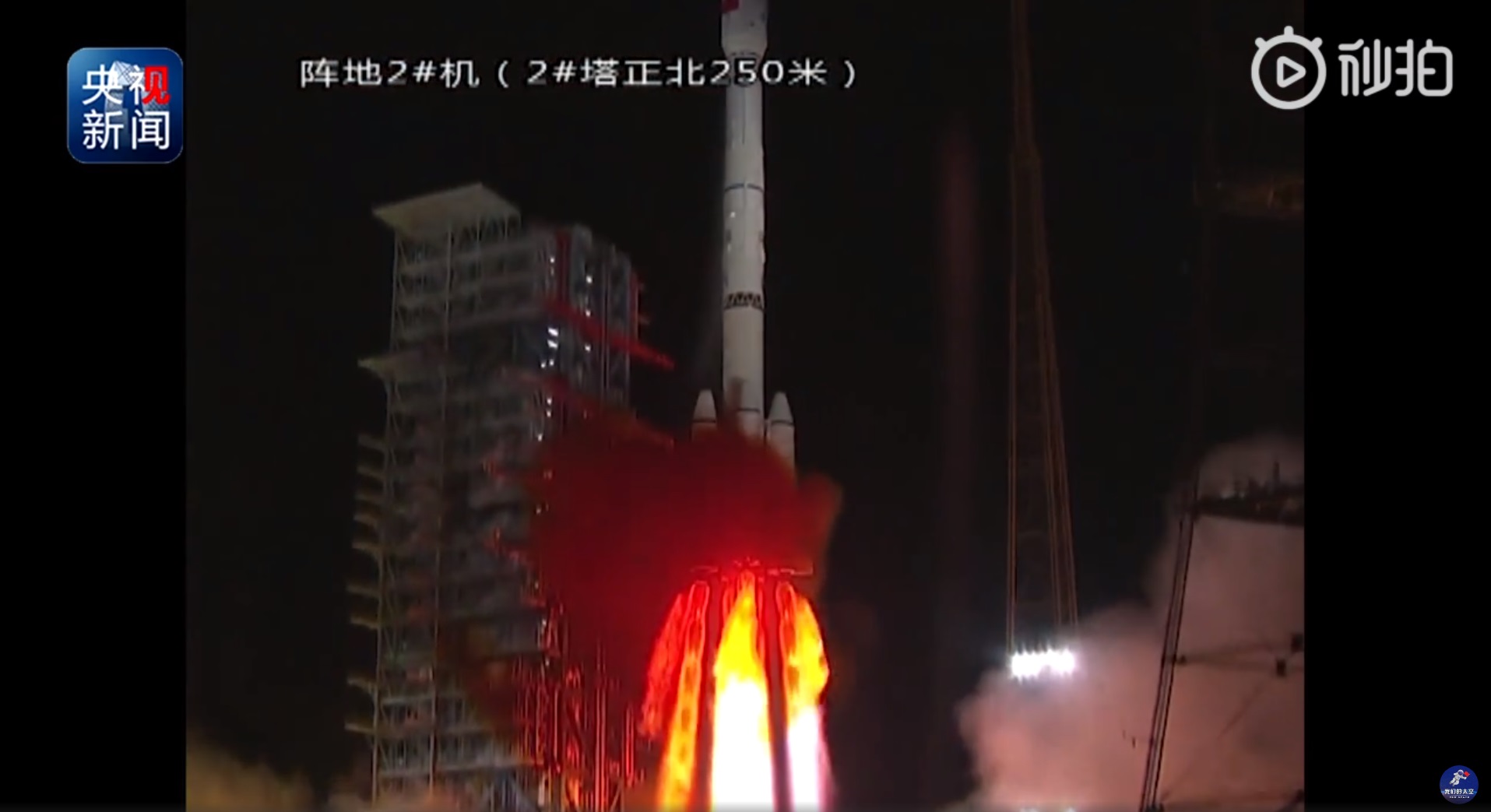
staff in the bunker rejoices:
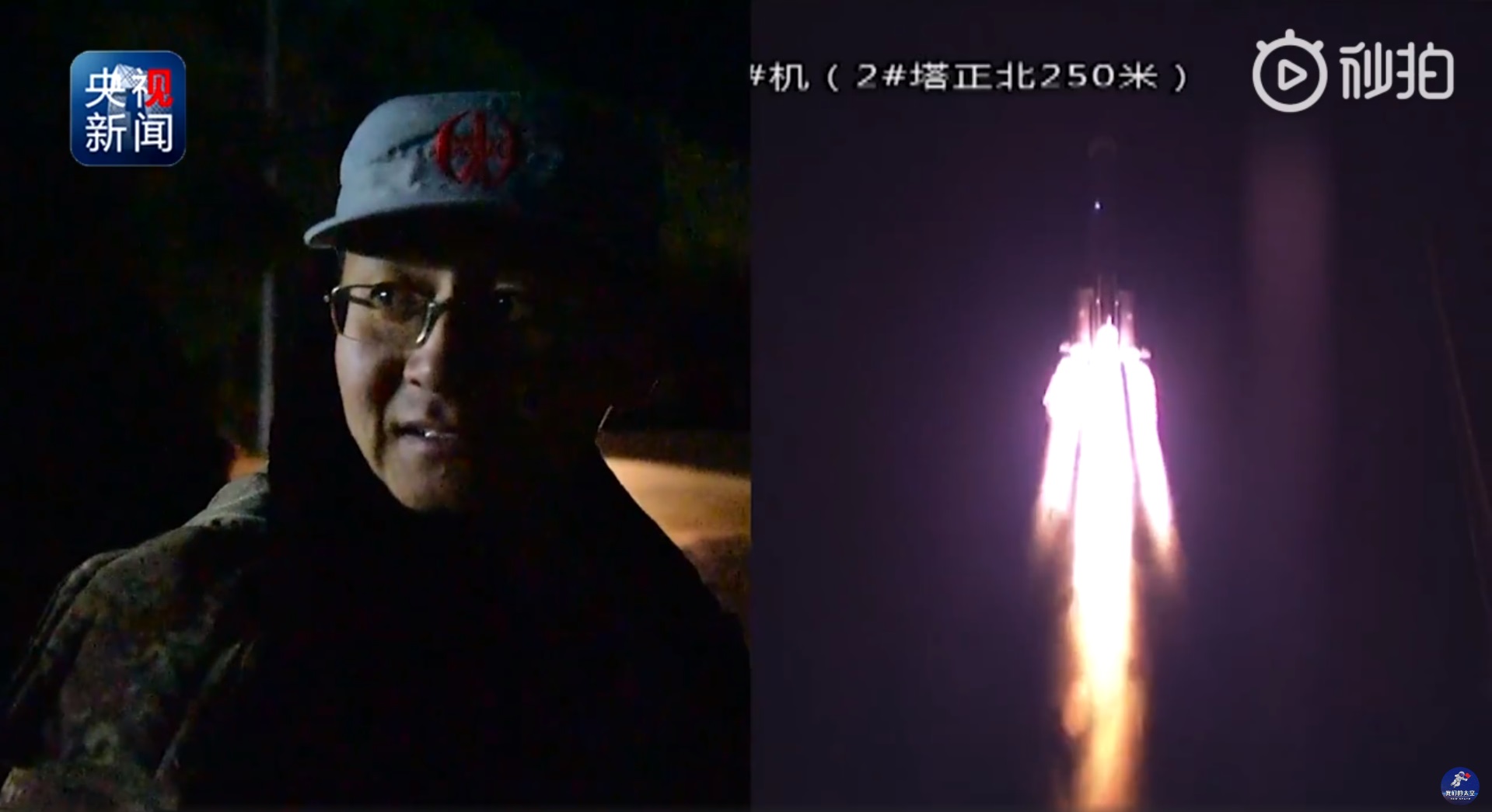
The launch commander is also happy that everything went well, now you need to prepare for the following launches:
There is no time to celebrate every launch at the cosmodrome, because big tests are yet to come.
And at this time, work continues at the MCC:
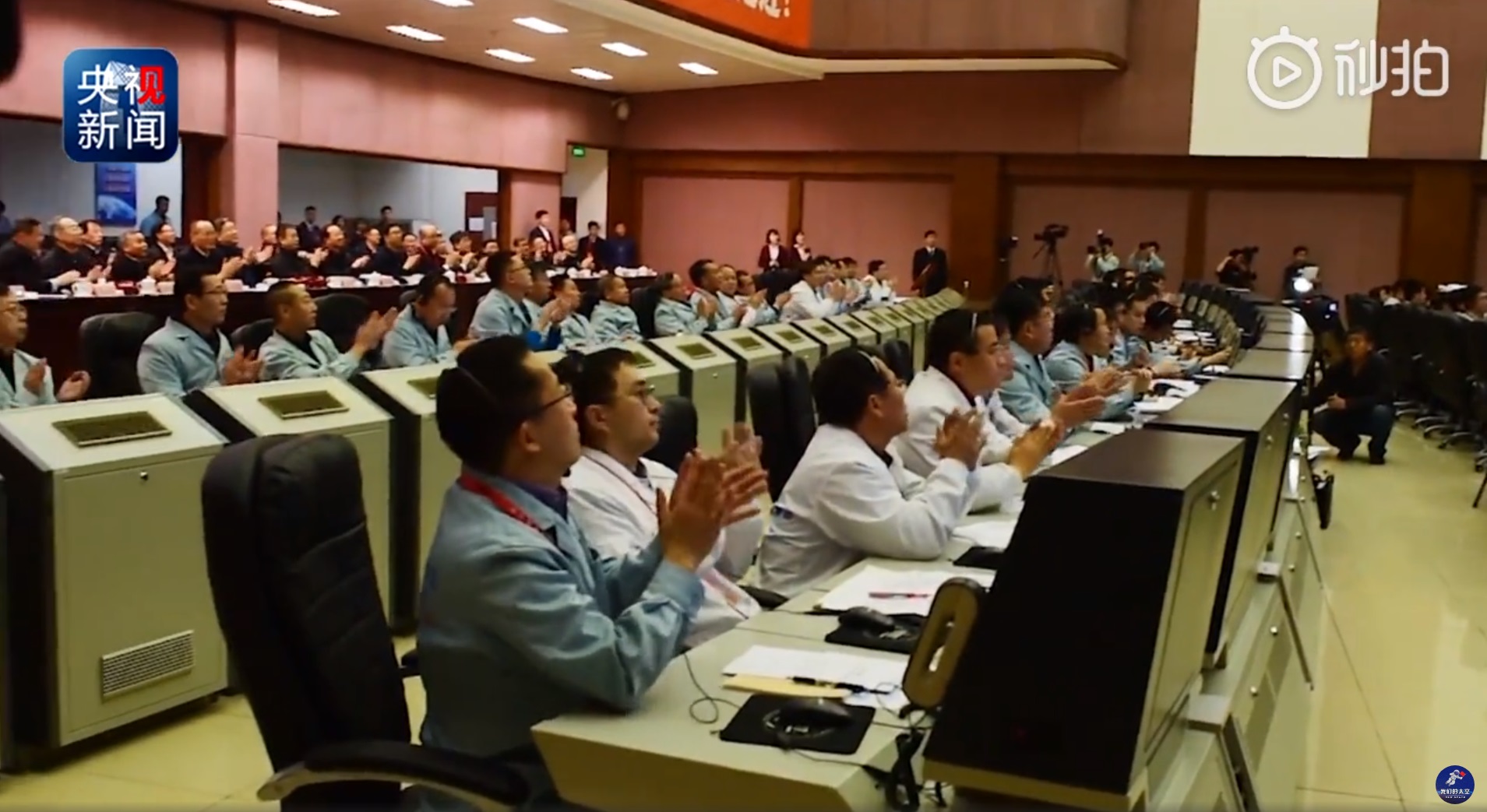
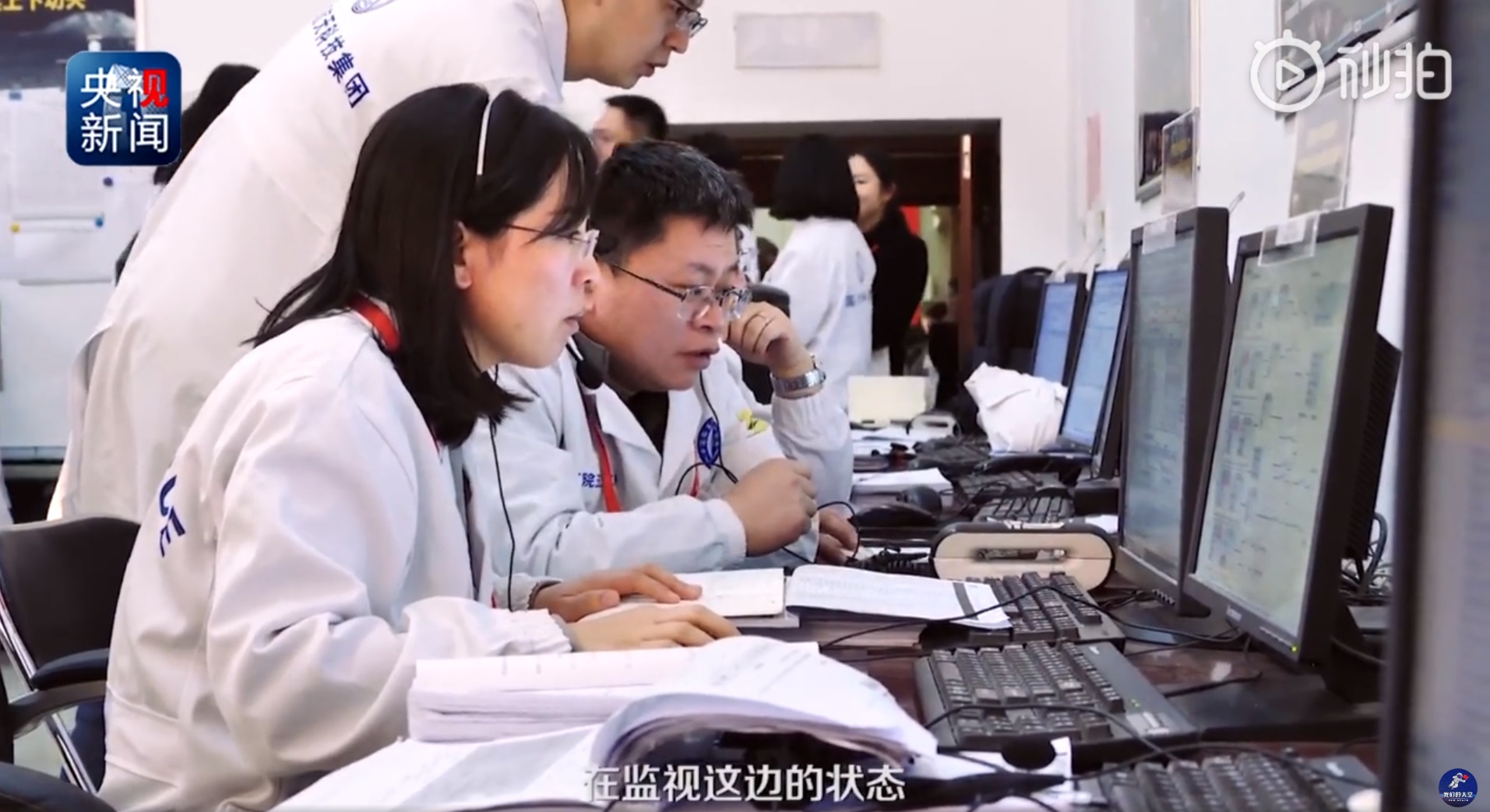
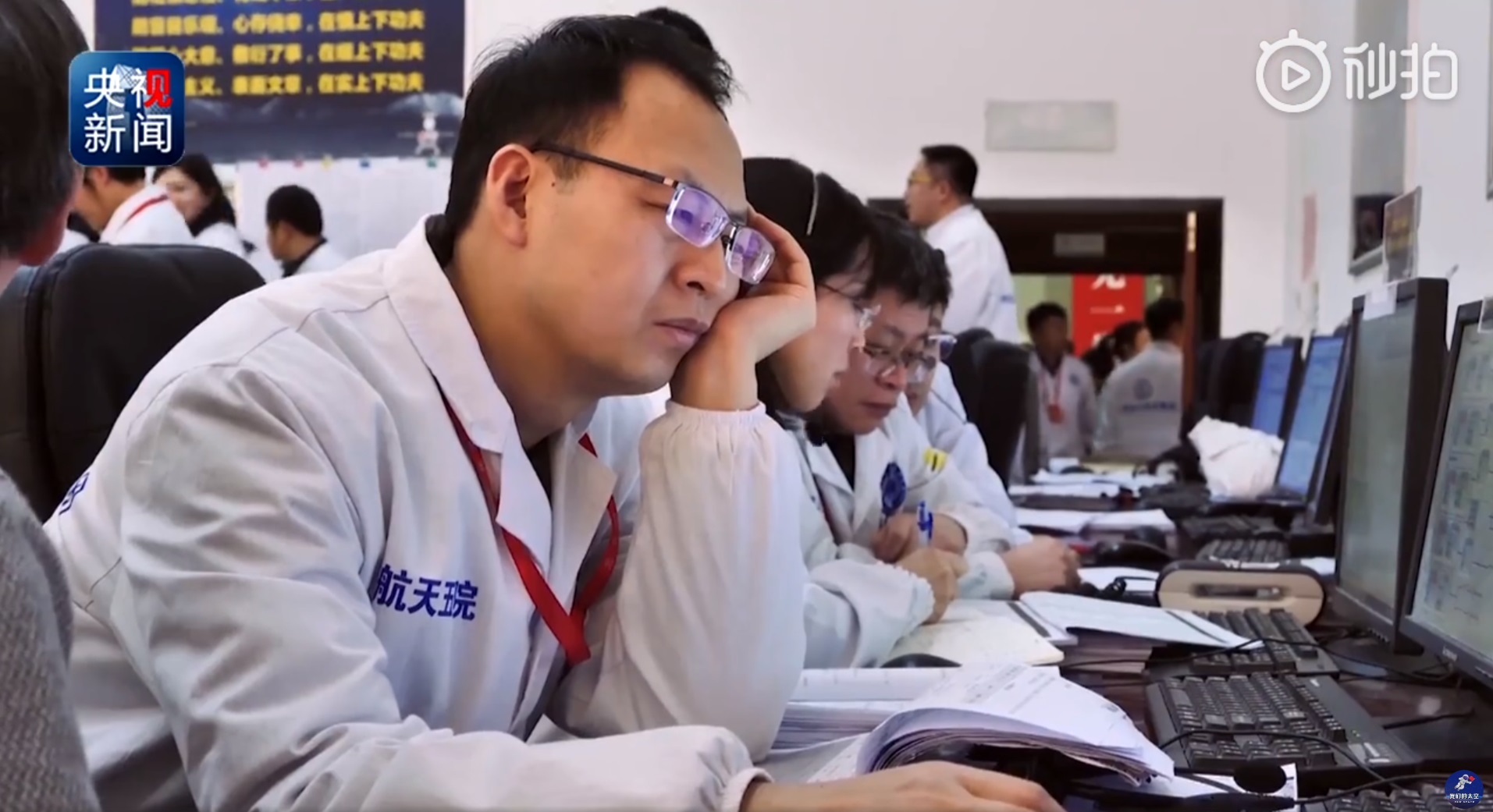
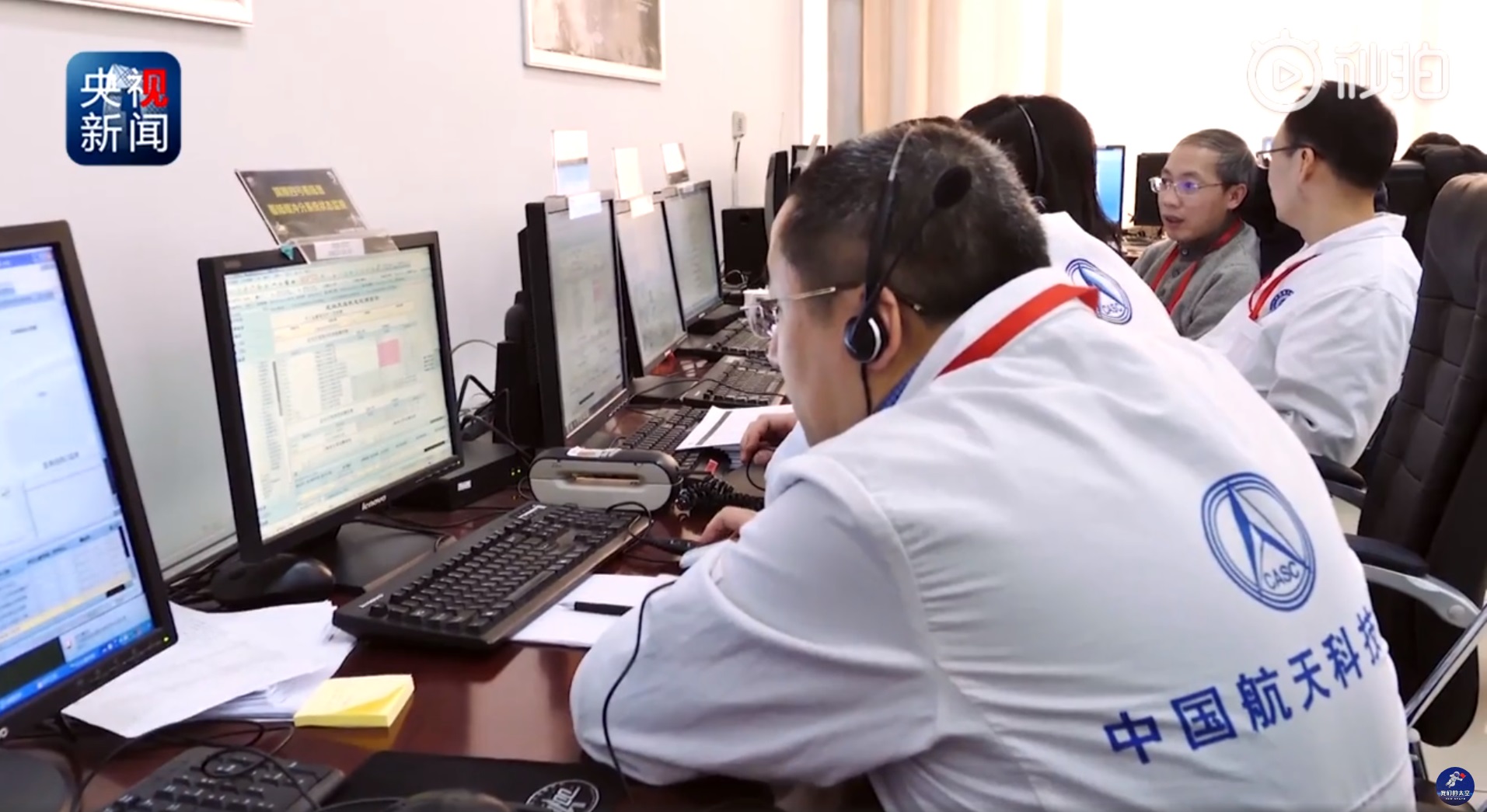
This is how complicated and difficult is the work of personnel at the Sichan Cosmodrome. Thousands of people there every day give all their strength to successfully implement the launch of the launch vehicle and regularly deliver the cargo into orbit.
But the space market in China is only growing every year: