May 12, 2017 at 17:11
Eco Gadgets Diversity Day
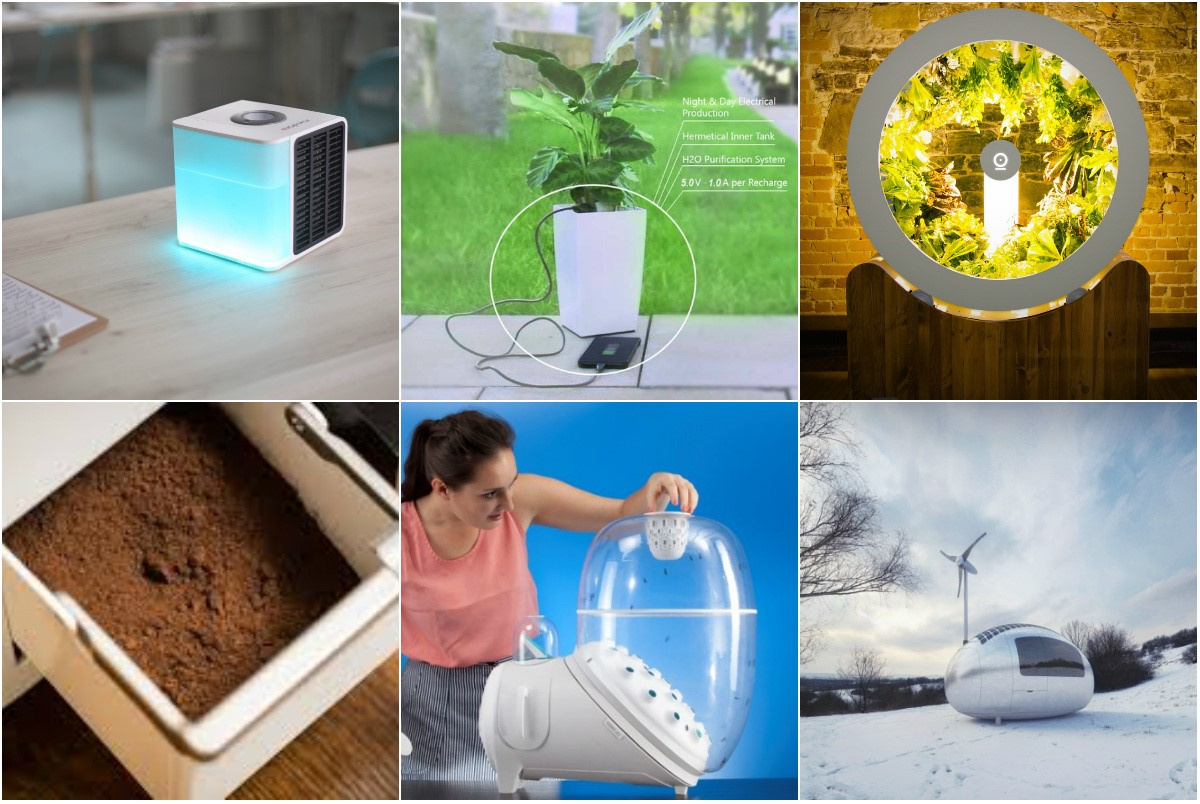
May 12 in Russia celebrate the Day of Environmental Education. The main goal of the holiday is the promotion of environmental protection ideas. Therefore, today we will not talk about devices with a housing made of recycled plastic, bamboo or grass - almost every manufacturer of gadgets at one time produced an “eco-oriented” product, but there is little real benefit from such demarches in the direction of “green technologies”.
In addition to the usual products with the prefix “eco” (eco-flash drives and other wonderful technologies), and obvious solutions in the field of “green” energy (every second eco-gadget wants to use solar energy), there are still a number of interesting devices that can really teach a more thoughtful approach to technology.
Evapolar - personal air conditioning

Bulky air conditioners, consuming a lot of electricity, freezing and blowing employees in the office, mutilating the facades of houses, are a thing of the past. Evapolar is the world's first desktop personalized air conditioner to cool, moisturize, and purify air near your workstation. In addition, Evapolar does not contain toxic coolants.
The mini-conditioner contains basalt paper, the fibers of which are 1000 times thinner than cellulose fiber. The material, whose diameter is only 40 nanometers, absorbs the weight of the liquid into the voids, significantly exceeding the dead weight of the fibers. Due to this property, Evapolar evaporating plates provide uniform and intensive humidification of the cooling cartridge and, as a result, energy-efficient conditioning within a radius of 2-3 meters.
Evapolar launched a successful Indiegogo campaign in the fall of 2015, raising over $ 1.2 million from nearly 6,500 sponsors. After all the devices were sent to sponsors, a fundraising campaign for Evapolar 2 began .
Charging Plant Gadgets
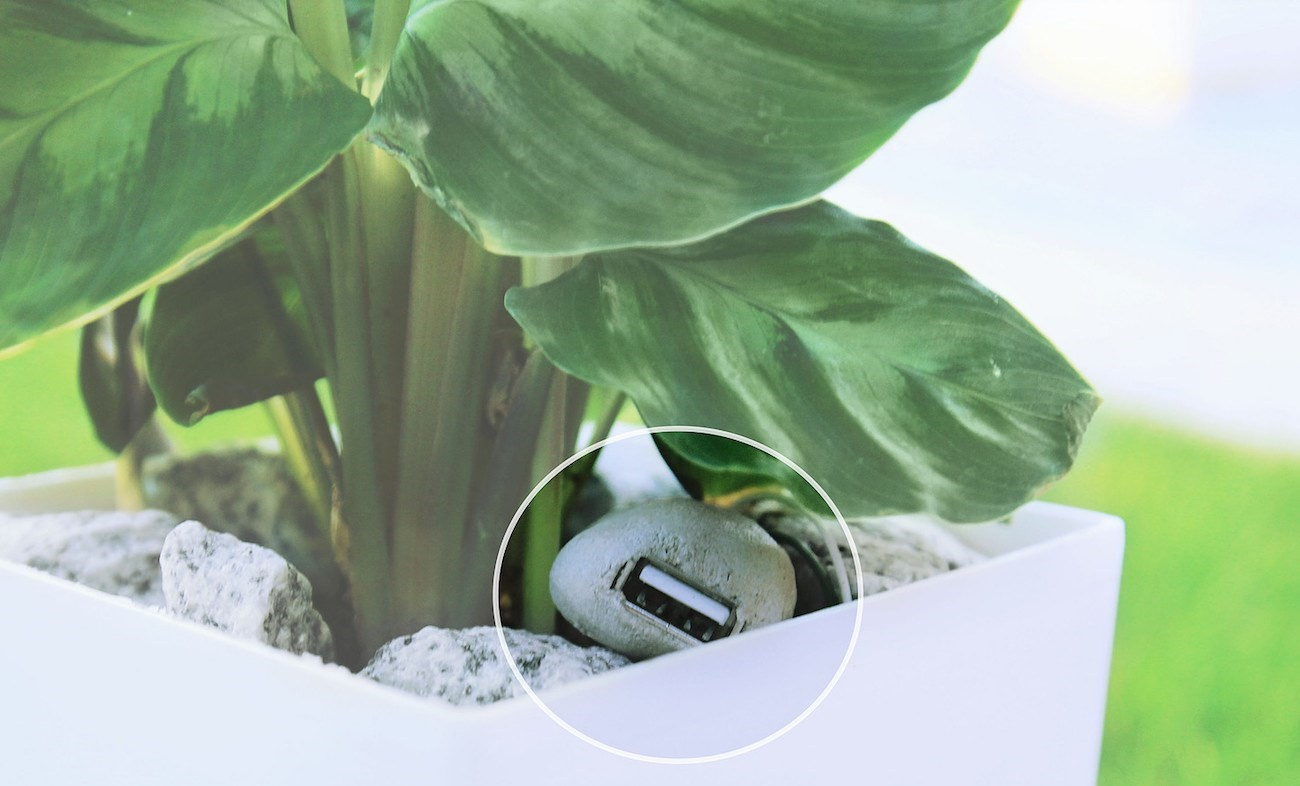
Bioo Lite converts natural photosynthesis of plants into usable electricity. A smart flower pot can be used with any plant, soil and irrigation system.

Inside the pot there are two containers with a special layer, which, when interacting with water, contributes to the rapid increase in the number of microorganisms, making the photosynthesis process more efficient. Bacteria decompose organic compounds, releasing electrons that are collected using inert electrodes, thus converting chemical energy into electricity. At the output, through a regular USB port disguised as a stone, it turns out 3.5 volts and 500 milliamps.
OGarden - automated garden
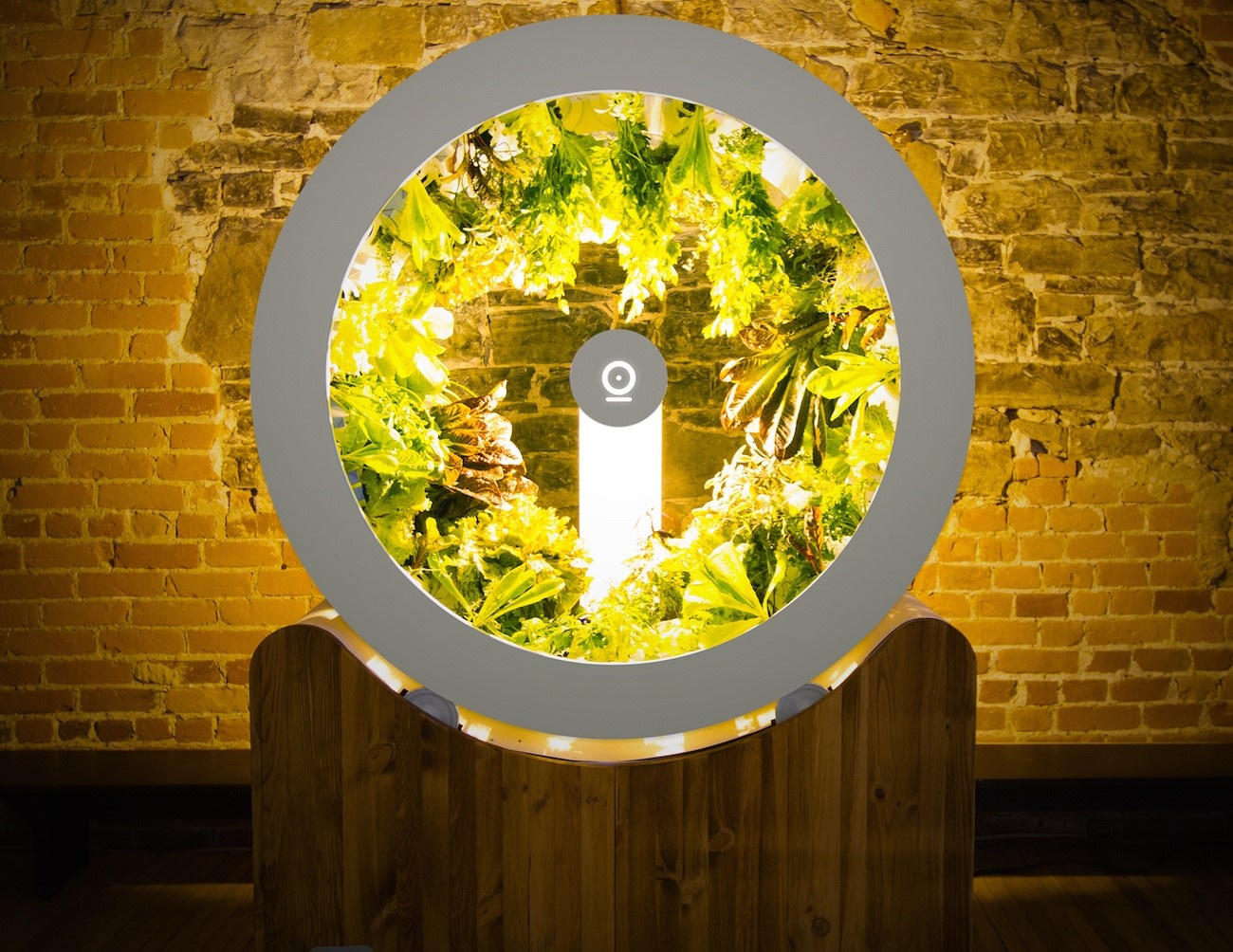
OGarden is an option for lazy gardeners who do not want to plant beds on the balcony and grow seedlings in a closet under ultraviolet lamps. Plants will grow inside a slowly rotating wheel. The roots grow in an organic nutrient mixture, which is replenished automatically. The lamp located in the center of the wheel will give the vegetables all the light they need. OGarden automatically turns on and off, in the cycle necessary for plants. All you have to do is plant the seeds and refill the nutrient liquid in the tank once a week.
Food waste processor Whirlpool ZERA
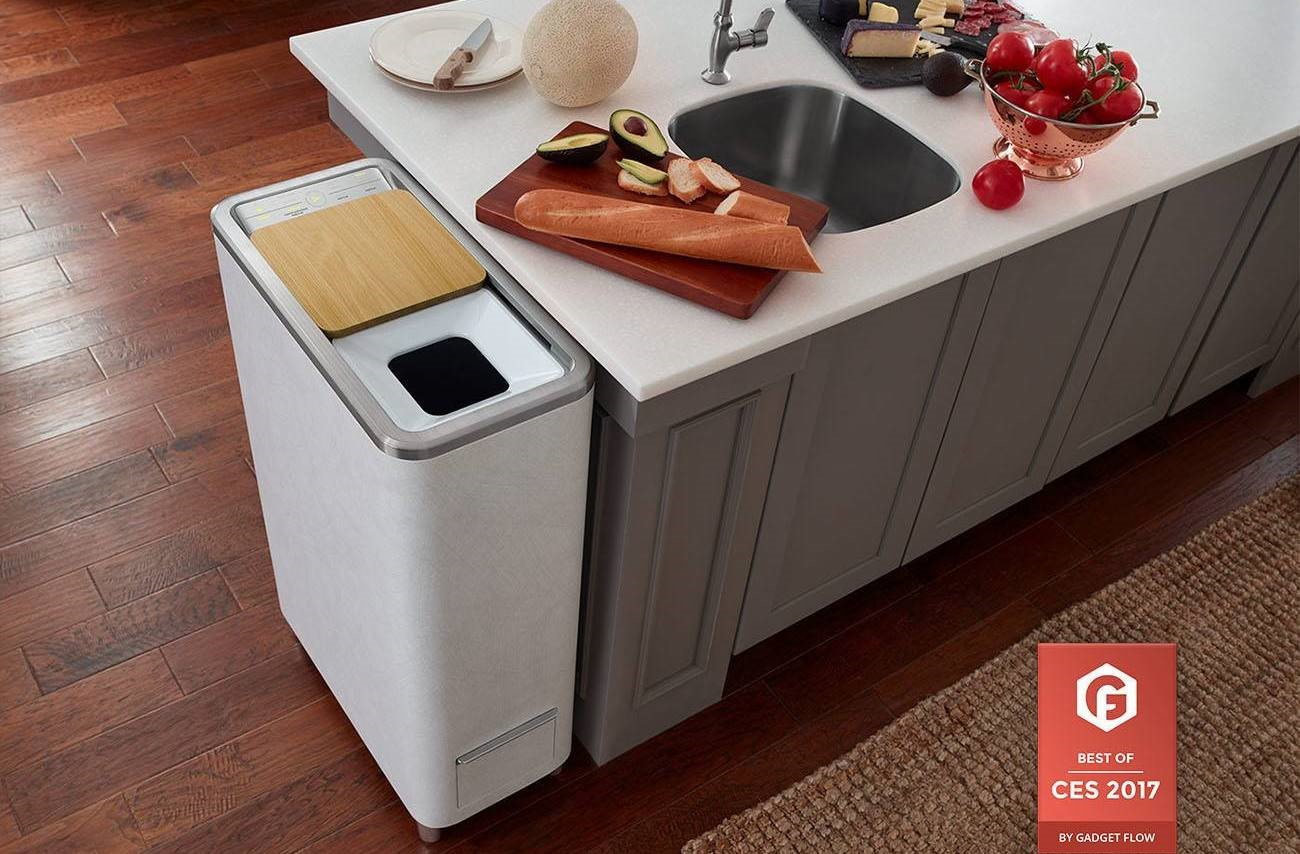
This device, similar to an ordinary trash can, in 24 hours turns any food waste (including meat and milk) into a ready-made fertilizer. In fact, the system uses a fully automated process to reduce waste by two-thirds of the original volume. The fertilizer you receive is great for plants in the yard (if you have a yard with plants). In addition, the device requires minimal maintenance.
The device stores waste for seven days - a capacity of up to 8 kg. Filling can be monitored using a mobile application. The first stage of processing is grinding products. Then the mass enters the second compartment, where it begins to turn into fertilizer under the influence of oxygen, moisture, heat, a special mixer to accelerate the decomposition and granules from the coconut shell, which are added to the processed waste.
The project went to Indiegogo where it collected 827% of the required amount.
Ecozone ecoballs replace washing powder
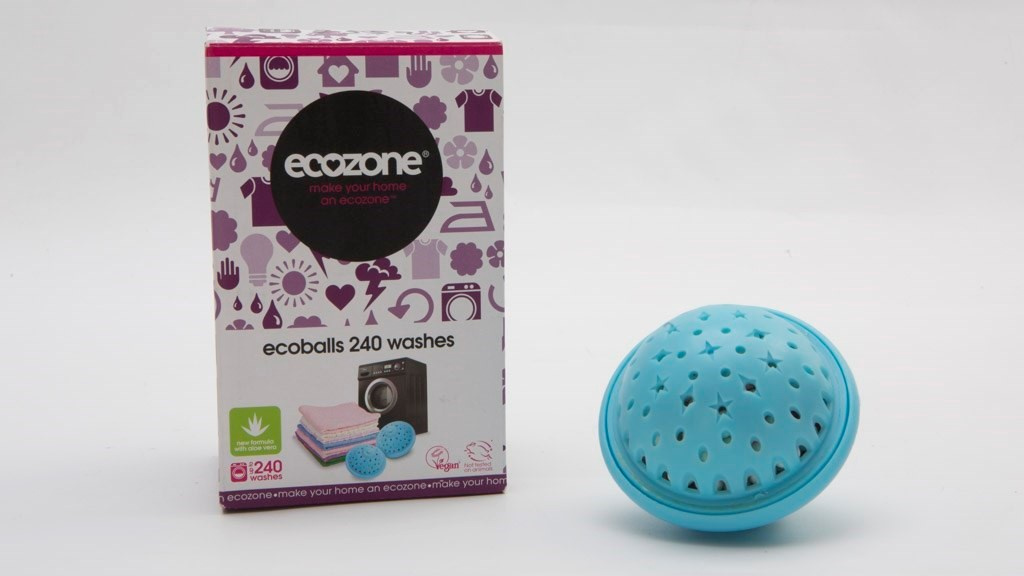
There are two types of detergents: non-biological, which contains bleach for cleaning and disinfection, and biological detergents, which rely on enzymes that break down proteins. Enzymes are effective at lower temperatures and less severe for tissues. Now the intake of synthetic detergents in the aquatic environment has reached significant values and from the point of view of ecology they are considered as one of the classes of pollutants. An excellent “green” alternative to detergents is “wash balls” that contain granules of minerals.
EcoballsReusable up to 750 times. They consist of a large number of granules that contain mineral salts. This is a natural alternative product for everyday, but only slightly soiled clothes. Most Ecoballs ingredients are similar to those found in regular laundry detergents, but without harsher chemicals.
Farm 432

By 2050, meat production will need to be increased by 50% to meet the growing needs of the population. Since we already use one third of arable land for the production of animal feed, alternative food sources and production methods need to be developed.
" Farm 432 " - a system of collection and animal protein accumulation, which can be used for cooking. The “farm” is actually a large chamber containing several compartments that play different roles in the cultivation of edible larvae of flies.
The device contains several compartments. Larvae are placed in the chamber above, where they develop into adult flies. A fly that has grown into an adult moves into a large compartment. Here they interbreed and produce larvae that fall into the “kindergarten” zone, mature and then fall into the harvesting compartment, where they can be harvested and eaten. Several of the collected larvae are sent back to the upper chamber to start a new food reproduction cycle.

In fact, it is a tiny real eco-farm for growing protein in your own home. After 432 hours, 1 gram of larvae turns into 2.4 kilograms of protein, so you can collect about 500 grams of larvae per week by producing two meals.
Thrifty shower

If you want to not only help the planet (not the fact that this is possible at all), but you are going to save wisely, take a look at the shower nozzles, which retain a strong pressure, but use substantially less water. PulseEco, for example, allows you to use only half the water of an ordinary shower - the principle of operation will be clear if you watch the video . EcoCamel limits water consumption to eight liters per minute when injecting air into the water stream.
Mobile Ecohouse Ecocapsule

If you are tired of civilization and want to merge with nature, but do not want to get attached to one specific place, pay attention to mobile eco-houses. Slovak company Nice Architects has developed a self-contained, environmentally friendly, miniature house called Ecocapsule . It is described by the company as a mobile home, "designed for continuous autonomous residence for up to 1 year for one or two people."
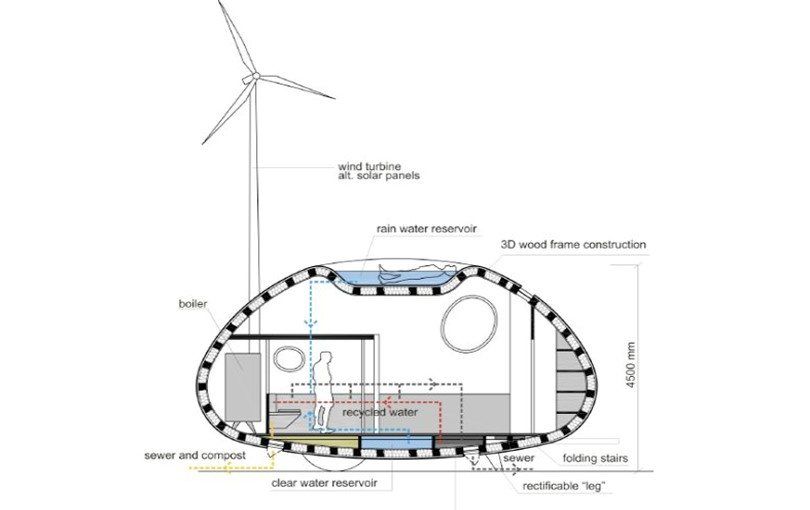
Dimensions of Ecocapsule are 2.55 × 4.45 × 2.25 m (placed in a standard container for transporting goods), weight 1500 kg - can be transported by car on a trailer. A 750 W wind turbine and a 2.6 m2 solar panel are responsible for generating electricity. The spherical shape is optimized for collecting rainwater and dew, and built-in water filters allow you to use any water source.
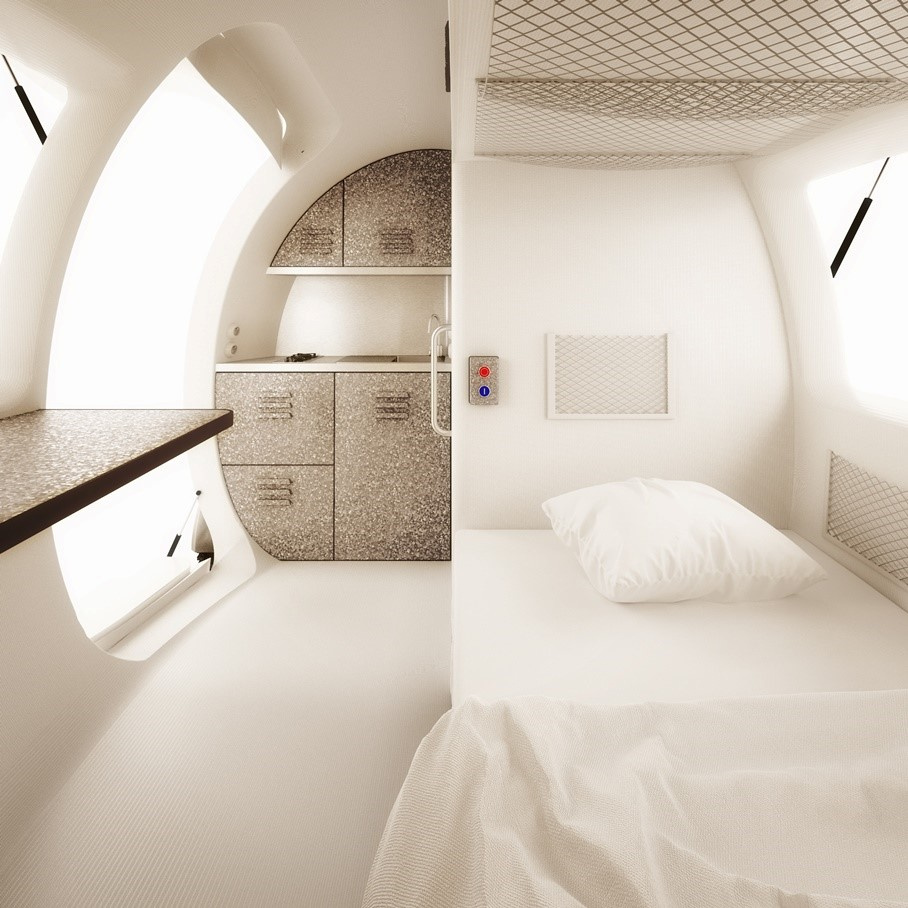
The house provides the entire minimum level of comfort: a small kitchen with running water, a flush toilet, a hot shower, a workplace and two heated beds.
Get rid of batteries

A small Bedol Water Clock for travel and home, working without batteries. Batteries are a big threat to the environment and the fewer they are, the better it will all of us. Due to the electrochemical reaction between the electrodes and water, a sufficient amount of electricity is released to power the watch for 12-14 weeks. The Aqupa Dome Lantern is powered by seawater to operate for 160 hours of continuous light. In addition, the flashlight helps charge other mobile devices.
Egloo and warm
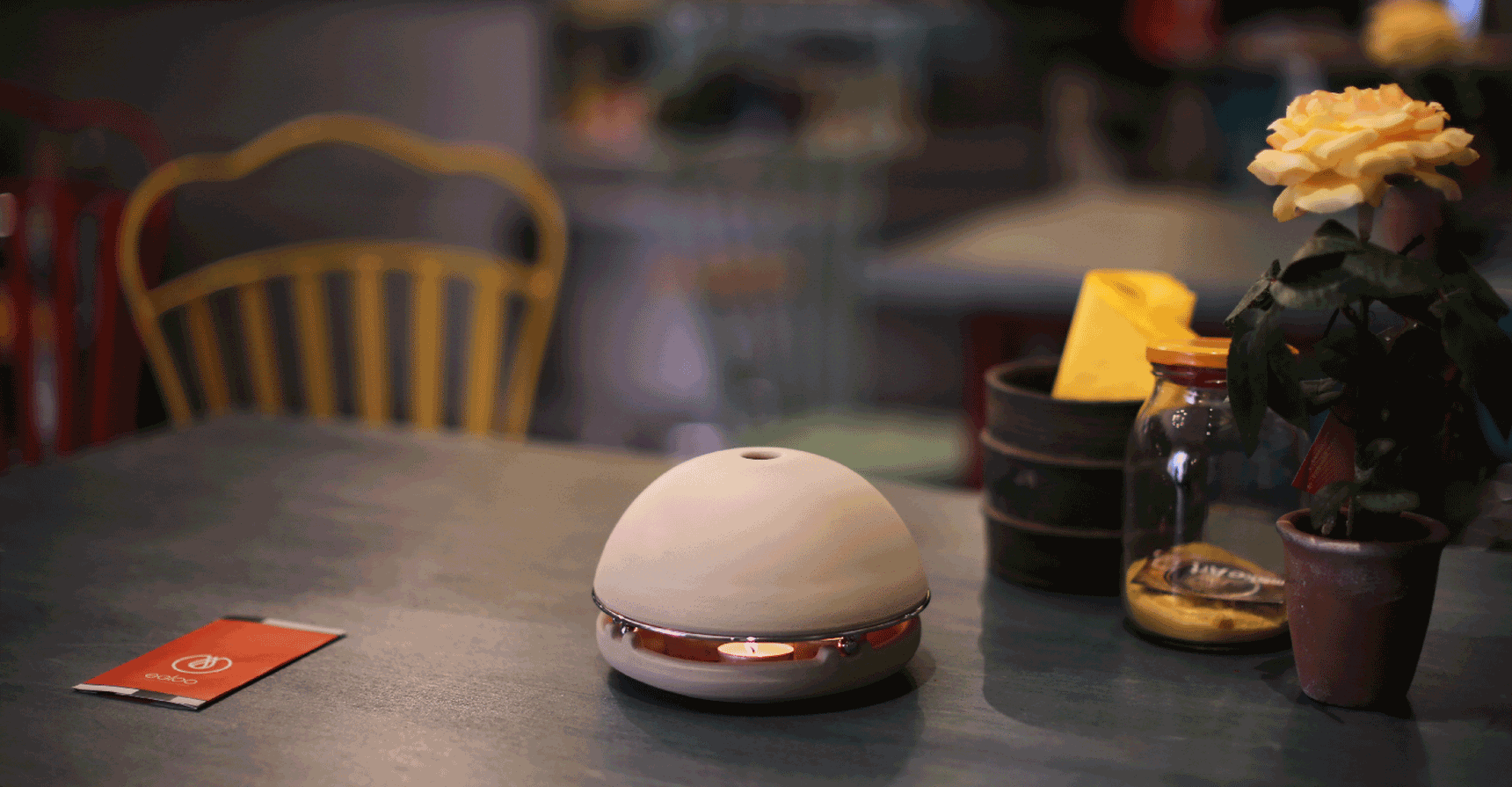
How about heating a house that runs without electricity and fuel? Egloo is handcrafted from natural Italian terracotta, which can be heated with just four small tea lights. Egloo transfers heat to the room, heating it by 2-3 degrees in half an hour. For 5 hours he is able to heat a room of 20 sq.m. At the same time, a room heater has the minimum dimensions: 18 x 18 x 22 cm. The inner dome is heated to a temperature of 140–180 degrees Celsius, and the outer one is 30–50 ˚С.
At Indiegogo, the heater raised more than $ 200 thousand, which is 488 a% of the requested amount.
Conclusion
None of the above gadgets is vital, but sometimes these fancy eco-gadgets are more convenient than standard solutions. At the same time, some much more popular devices sold under the guise of "green technology" may be less "green" (or even not be any "eco" at all) than their obvious alternatives.