# Passenger Safety Issues in Robotaxis During External Aggression
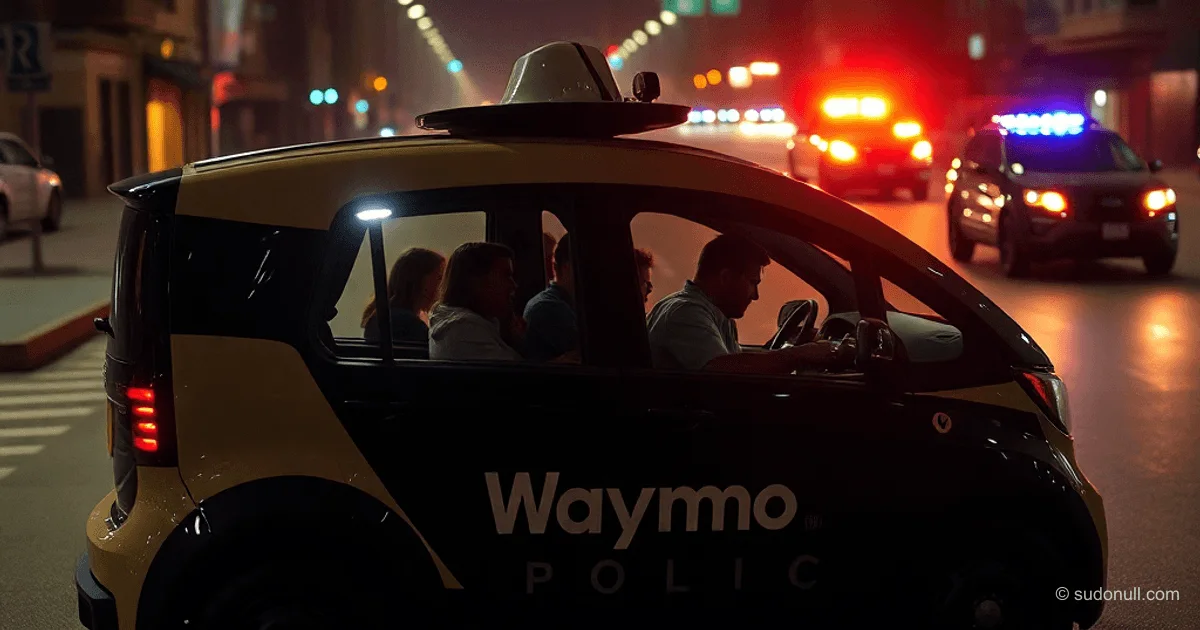
Waymo robotaxi passengers in the US have repeatedly found themselves locked inside vehicles due to aggressive pedestrians and vandals. Self-driving systems halt the car whenever someone approaches, leaving it vulnerable to harassment. The doors lock, manual control is unavailable, and passengers are stuck waiting for the situation to resolve.
In January 2026, San Francisco resident Doug Fulop encountered a man during a nighttime ride who darted across the road, pounded on the windows, and tried to lift the car. The aggressor yelled threats, accusing the passengers of "paying the robot." The Waymo vehicle didn't budge, with doors staying locked. The incident lasted 6 minutes until the attacker got distracted by passersby.
How Autonomous Systems Respond
Self-driving cars are designed with safety as the top priority: they stop upon detecting a pedestrian to avoid collisions, but this creates risks during hostile actions. The software prevents passengers from taking the wheel during such events. Waymo support confirms that locked doors are for safety but won't resume motion if someone's nearby.
Similar incidents were recorded in 2024:
- A vandal covered the sensors on a stopped taxi, disabling it.
- A group of vandals spray-painted the car with spray cans while passengers were trapped inside.
Passengers report feeling helpless. Fulop noted that repeated blows to one window could have shattered the glass.
Real-World Examples
Other incidents highlight the systemic nature of the problem:
- Writer Amina Green in San Francisco filmed a video of two men blocking her Waymo and harassing her. She described feeling vulnerable but said robotaxis are safer than traditional taxis driven by distracted drivers.
- Anders Sorman-Nilsson in Los Angeles was surrounded by five men on e-bikes. They banged on the windows and demanded the doors be opened. The car stayed put for 5 minutes before the aggressors rode off.
In each case, police documented the incidents, confirming the passengers' accounts.
Waymo Support and Statistics
Waymo spokesperson Kathryn Barna called such cases rare but unpleasant. The company highlights reduced crash rates: 90% fewer serious injuries or accidents compared to human drivers on similar routes in operating cities.
Recently, the service expanded to Dallas, Houston, San Antonio, and Orlando. In tough situations, remote operators from the US or Philippines step in. They receive training, hold driver's licenses, speak English, and pass drug screenings. Their work is closely monitored.
Key Points
- Autonomous systems stop for pedestrians to ensure safety, but aggressors exploit this.
- Doors lock, software blocks manual control, and passengers rely on algorithms and support.
- Incidents last 5–6 minutes, with police responding after the fact.
- Waymo reports a 90% drop in serious crashes compared to human drivers.
- Remote operators assist in unusual scenarios.
Prospects for Improvements
These incidents reveal the need to refine protocols for responding to aggression. Software updates could allow remote unlocking or safe maneuvers without endangering pedestrians. Passengers praise robotaxis for everyday safety advantages over human drivers, despite vulnerabilities to vandalism. Waymo's stats show an overall positive trend, but stronger defenses against external threats are needed.
— Editorial Team










No comments yet.