PixVerse Introduces AI for Creating Mythological Video Stories
PixVerse showcased text-to-video generation technology that allows creating epic mythological scenes with cinematic quality, opening new opportunities for creative industries.
Analytical Article: Myths in 15 Seconds. Why PixVerse's Demo Is Not Art, but a Death Sentence for Mid-Tier VFX Studios
Author: Independent Analyst with Insider Perspective
Date: 2026-05-28
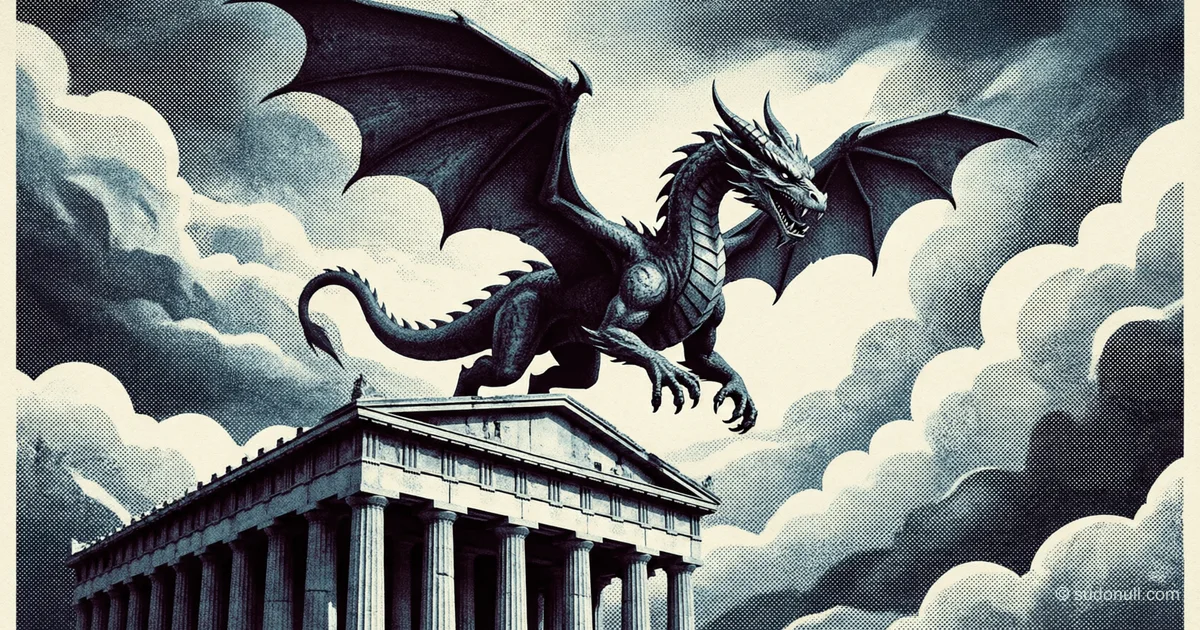
On May 25, PixVerse released a demo video. In it, AI generates epic mythological scenes: winged creatures, ancient temples, gods flying through clouds. Mainstream media write about "creative opportunities" and "breakthroughs in cinema."
Nonsense.
This is not about art. This is a war of annihilation. A war over who will first devour the commercial video production market. OpenAI slowed down with Sora, and the Chinese (PixVerse, Kling) seized the banner. And if you think this will only affect TikTok bloggers — you are in the kill zone, colleagues.
[The Core]: What Is Really Happening
Formally — another update of generative AI. Informally — a transition from "image generator" to "full-fledged production studio."
The news from May 25 is not about the fact of generation itself. It is about the fact that PixVerse has learned to understand coherent narrative. Mythology is not just "dragon" or "sword." It is scene changes, sequence of actions, physics of flight and magic. If AI handles "epic," it means it handles any genre: from horror to shampoo commercials.
The media missed a key detail. A week earlier (May 20), Alibaba Cloud connected PixVerse V6 to its Bailian platform. This is not just cloud news. It means any Chinese business can now embed "text-to-video production" into their processes for pennies.
My non-obvious insight: The mythology demo is not marketing for directors. It is marketing for game dev and gambling.
Why? Because "mythological content" is the foundation for slots, mobile RPG trailers, and in-game cutscenes. Previously, studios paid hundreds of thousands of dollars per minute for such CGI. Now PixVerse's demo shows it does it in 15 seconds. They are not selling "art." They are selling an industry solution (Mini App). They already have Ad Master for advertising. C1 — for cinema. The mythological demo is bait for Asian gaming giants.
Timeline and Context
Let's look at the timeline that the market hasn't pieced together.
— March 2026: Series C round of $300 million, unicorn status. A wild sum for video AI, but logical: they are preparing for expansion.
— March 31: Release of V6 and R1 (real-time world model). V6 immediately takes 2nd place in the world after China's own Seedance 2.0. The US (Sora, Runway) pushed to third place.
— April 2026: Release of C1 (Cinematic) — a model for Hollywood cinema. It already has camera control, angles, and physics.
— May 2026: Demo with myths. And integration with Alibaba Cloud.
See the acceleration? Releases are not every six months, but every month. A knockout game. While you read this, Runway and Pika are burning through their rounds, while the Chinese are already integrated into Alibaba's ecosystem and selling Mini Apps for $2-3.
Who Wins and Who Loses
Winners (obvious):
- Alibaba Cloud. They grabbed the best V6 model on their server. Now their clients won't leave for AWS.
- MOBA and RPG studios. The cost of producing an event video dropped from $50,000 to $50.
Losers (non-obvious):
- Second and third-tier video production studios. Those who made ads for local brands, explainer videos, and simple CGI. The AI generation boom kills their business model. Clients will no longer pay for 3 days of work when a button in PixVerse does the same in a minute.
- OpenAI. Sora is still in beta without a public release date. While they think about content safety, PixVerse (and Kling) have eaten their market share in Asia and are actively entering the US.
What the Media Are Not Saying
First. The numbers don't match reality.
They write that V6 is "number 2 in the world." Yes, quality metrics are high. But what they keep quiet — audio quality still falls short. They advertise "audio-visual" scenes, but if you remove the loud soundtrack, lip-sync in non-human creatures is still rough. For food or nature — okay. For cinematic dialogue — no.
Second. Political risk.
PixVerse is a Chinese company (founder, Shanghai). If tomorrow the US imposes sanctions on chip exports for their servers or IP blocking, half the world will lose access to the tool. American corporations won't build production on a Chinese tool if there's a risk of shutdown. They use Kling or PixVerse as a cushion, but keep their main stack on Runway (US). This is a "quiet standards war."
Third — about physics.
Media write about "complex movements." But testers have already found a flaw: the C1 model (cinematic) does not understand cultural codes. In a test with Dunhuang (flying fairies without wings), AI stubbornly attaches angel wings because that's the median image from its training. In the "mythological" demo, they likely carefully selected prompts to avoid such hallucinations. In production, where a marketing manager writes the script, there will be many creepy mutants with six arms. And fixing them will be more expensive than hiring an animator.
Forecast: Next 30 Days and 90 Days
Next 30 days (by end of June 2026):
We will see a wave of layoffs in outsourcing studios specializing in explainer videos and low-cost animation. Clients will start pointing at the PixVerse demo and asking: "Why am I paying you $5,000 when the machine does the same for $50?"
Also expect a lawsuit from some stock photo agency like Getty Images. PixVerse was trained on millions of videos, likely including copyrighted content. The mythology demo may have used art from famous artists to generate similar scenes. Lawyers will soon knock on the door.
Next 90 days (by end of August 2026):
Here everything will be decided by one parameter — speed. PixVerse currently generates 15 seconds in a minute or two. That's an eternity for live streaming.
If by August they reduce generation to real time (as their R1 model promises) — there will be an explosion. Gamers will be able to generate in-game cutscenes on the fly. TikTokers — create full short films during a break. If not — delays will kill enthusiasm, and a faster competitor (e.g., Kling 3.0 from Kwai, which has an excellent price) will seize the throne.
My forecast: China will win in quantity.
Due to cheap computing power in Asia and a huge dataset (Chinese TikToks, series, cartoons), PixVerse will be 30-40% cheaper and faster than American counterparts. The Western market will remain with Runway (as a premium option). The Asian (and likely ours) — with PixVerse. The mythology demo was just a warning: there will be so much content soon that we will drown. And it won't be made by humans.
— Editorial Team










No comments yet.